Bolshezemelskaya tundra No. 4
In this regard, both science and practice still face many unresolved problems that the young will have to explore. Very often, various forms of subsidence occur in the tundra, formed due to subsidence of the soil. Enclosed depressions are often filled with lakes of water. Subsidence of the soil occurs as a result of pulling out the lenses of the buried ice. The processes of ice formation in the earth's crust, wrote Professor A. I. Popov, a well-known specialist in the study of permafrost soils, are very diverse and depend on the degree of cooling of rocks, the values of winter temperature gradients, the freezing regime, as well as on the variety of geological conditions, rock moisture, and the physical and geographical diversity of the Earth's surface. Due to the increase in temperature and changes in the conditions of the freezing-thawing process, progressive melting of frozen strata occurs at depth. The released water either drains away, or, as a lighter substance, rises from the soil to the surface. The surface of the soil, on the contrary, subsides, filling the space of the frozen ice.
Depressions form on the ground, and everything that was previously on a flat surface (trees, bushes) tilts towards the center of the depression.
This phenomenon, associated with changes in the temperature of frozen soils, is called thermokarst and vaguely resembles the phenomenon of karst. At the same time, thermokarst basins and thermokarst lakes are created, at the bottom of which there is vegetation that populated the flat surface of the tundra. It is very difficult to develop areas with thermokarst formations. It is necessary to obtain information not only about modern thermokarst, but also about possible subsidence due to the removal of buried ice under neighboring areas. Some features of the microrelief development are characteristic not only for the Bolshezemelskaya tundra, but also for many other areas where permafrost soils are common. They have many varieties on the ground. This is due to the strengthening or weakening of one or another component of the freezing-thawing process, subsidence and runoff of soils, and the sorting of detrital material in loose sediments of permafrost strata. The study of the features of microrelief development in the tundra is conducted comprehensively by various specialists. However, in order to establish general and particular patterns of development of spotted, bumpy, striped, and streaking landforms, as well as methods of economic development of territories with similar microrelief features, in-depth complex and stationary studies are needed. In one's native land, many permafrost landforms can be observed not once, by expedition, but repeatedly, in different seasons of the year, under different conditions of exposure to natural and artificial factors. 1xbet অফিসিয়াল প্রোমো কোড



























































































































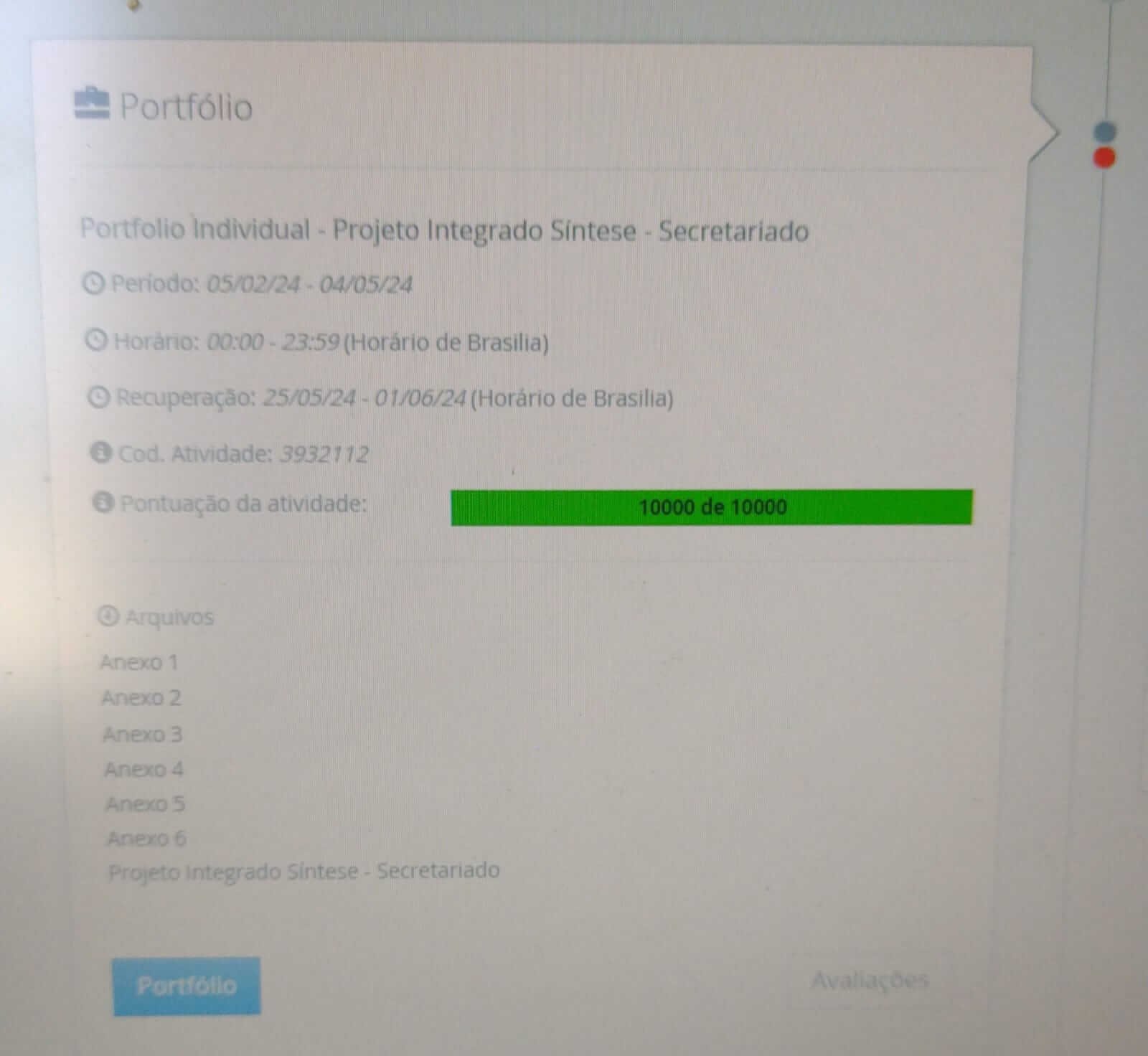



























































































Como funciona
Portfólio padrão
- Completo, resolvido, já formatado em Word.
- Entrega imediata, porém, recomenda-se realizar algumas modificações antes de anexar no portal.
Portfólio personalizado/exclusivo
- Completo, resolvido, já formatado em Word.
- Elaborado e personalizado exclusivo para você.
- Entregamos em até 5 dias.
- Pronto para apenas anexar direto no portal.
- Encomende via WhatsApp: Abrir conversa