DDOS Attacks on Skin Platforms
Skin platforms handle large flows of digital items, in-game currencies, and real money. Many of them focus on cosmetic items from titles like Counter-Strike, where players trade or gamble skins that carry real market value. This mix of entertainment, tradable assets, and high traffic attracts cybercriminals who look for profit and influence. Distributed Denial of Service (DDOS) attacks now hit skin platforms on a regular basis. Attackers overload infrastructure, disrupt trading or gambling activity, and use outages to extort operators or manipulate in-game economies. These attacks hurt platforms, payment partners, and players who hold valuable inventories. This article analyzes how DDOS attacks affect skin platforms, why attackers target them, and what both platforms and players can do to reduce risk. It also highlights why players should understand odds, house edges, and system reliability before they commit substantial money or items to any skin gambling service. Skin platforms usually fall into three overlapping categories: 1. **Marketplaces** Operators host buy and sell listings, match orders, and sometimes offer instant-sell features. They connect to game inventories through APIs or in-game trade systems. Prices track supply and demand across many platforms and communities. 2. **Gambling and Betting Sites** These sites offer roulette, crash, coinflip, case openings, slot-style games, or match betting linked to skins. Players often deposit skins that the platform converts to internal credits. Games then draw outcomes from pseudo-random number generators. 3. **Hybrid Services** Some platforms combine trading, peer-to-peer exchanges, raffles, and jackpot games. This mix creates complex traffic patterns and many moving parts, which makes security and fairness much harder to maintain. Most platforms run on web stacks that include web servers, application servers, databases, caching layers, payment gateways, and connections to the game publisher’s APIs. Operators need high availability, low latency, and accurate tracking of balances, trades, and bets. Even short outages can interrupt withdrawals, block deposits, or stall high-stakes games. Skins with rare patterns or limited supply often reach high prices. High-profile cosmetic items in some games sometimes sell for thousands of dollars. Players treat these items as speculative assets, while third parties treat them as commodities. Gambling mechanics amplify that value. Large jackpots, high multipliers, and fast rounds attract players who feel comfortable with risk or who lack a clear understanding of probability theory. This environment creates strong incentives for attackers: - They see money and tradeable value concentrated on web platforms. - They know many operators lack advanced security teams. - They understand that users often overlook legal protections when they gamble with skins rather than fiat currency. This combination sets the stage for frequent and damaging DDOS campaigns. Attackers often send a warning message, then launch a DDOS attack to prove capability. They then demand payment in cryptocurrency or skins. If the operator refuses, attackers keep saturating the network or hitting application endpoints until the platform loses users, liquidity, and revenue. Small and mid-size operators often run with lean budgets. Many of them lack strong anti-DDOS infrastructure. Attackers know this and target them because they expect quick payouts. Even larger operators sometimes pay when they calculate that prolonged downtime will cost more than ransom. Each ransom payment encourages further activity from existing groups and attracts new ones. Some attackers mix DDOS with phishing campaigns. They flood a platform with junk traffic to knock it offline or keep it unstable. During that period, they promote look-alike domains that mimic the original interface but steal login credentials or trade tokens. Users who search for alternatives or status updates may land on these phishing sites. Attackers then capture access to inventories and secondary trading accounts. They may also direct traffic toward pages that advertise questionable services, including low-quality skin casinos or referral scams. When players research options, they sometimes review threads that compare one cs gambling site against another. Attackers know that players often switch platforms quickly after incidents, so they try to control that migration with fake recommendations and compromised links. DDOS attacks can influence the supply and demand around rare skins: - If attackers knock out a large marketplace, they restrict listings and liquidity. - Traders then shift to other venues with thinner order books. - Prices can spike or drop because a single large trade carries more weight. Attackers can buy items before an outage and sell them during or right after it. They can also short-sell exposure on peer platforms when they expect panic. In some cases, groups coordinate DDOS attacks with insider access to price alerts or privileged inventory data. This mix of cyberattack and speculative strategy resembles market manipulation in traditional finance, even though it occurs around cosmetic digital assets. Some operators try to remove rivals from the field. They contract DDOS-for-hire services against competing platforms to steal traffic and users. This tactic remains illegal and unethical, yet it persists because attribution often proves difficult and legal frameworks lag behind new gambling models. When a large site struggles with recurring downtime, players start to explore alternatives. They rarely know whether a rival funded the attacks or simply benefited from them, which adds more confusion to an already opaque sector. Skin platforms usually expose: - A main website and several subdomains. - APIs for user inventories, session handling, and game logic. - Endpoints for deposit, withdrawal, and trade confirmation. - Administration interfaces (if operators misconfigure access controls). Attackers look for bandwidth-heavy targets such as web front ends or API gateways. They also focus on the paths that handle random outcomes, auto-betting, or jackpot timers. By hitting specific endpoints, they can trigger resource exhaustion in the application layer instead of only consuming raw bandwidth. Attackers rely on three broad categories of DDOS techniques. 1. **Volumetric Attacks** Botnets send huge amounts of traffic to saturate connections. Examples include UDP floods, ICMP floods, and amplification attacks that abuse open DNS, NTP, or memcached servers. These attacks aim to overload network links or border firewalls. 2. **Protocol Attacks** Attackers exploit weaknesses in network or transport protocols. SYN floods, fragmented packet attacks, and malformed handshake sequences consume resources on servers, load balancers, or intermediate devices. 3. **Application Layer Attacks** These attacks send HTTP, WebSocket, or API calls that look similar to legitimate traffic but arrive in huge volumes or in carefully timed bursts. Examples include HTTP GET or POST floods that target expensive database queries or complex game logic. Operators often struggle with application layer attacks, because filters must distinguish between genuine players and automated scripts that mimic them. Attackers rarely rely on a single infected machine. They assemble botnets by compromising: - Misconfigured servers. - Routers and IoT devices with weak credentials. - End-user PCs that run pirated software or malware. They then sell DDOS capacity through “booter” or “stresser” services. Customers choose a target, specify attack duration and method, and pay with cryptocurrency. This model lowers the barrier to entry, so even small-time actors can order attacks against skin platforms. Skin platforms with minimal security budgets struggle in this environment. Attack capacity grows faster than their ability to invest in protection. Many operators run their services on shared hosting, small VPS plans, or budget cloud instances, which offer limited tolerance to sustained flooding. DDOS attacks reduce availability. When a platform struggles to respond, users encounter loading errors, failed game spins, and broken trade confirmations. If these problems continue for hours or days, users lose confidence and often withdraw skins or stop depositing money. Operators then lose: - Game rake or house edge income. - Commissions from trades. - Affiliate traffic and referral rewards. During a major outage, customer support teams face heavy pressure. They need to track incomplete transactions, stalled withdrawals, and possible double charges. Attackers exploit this distraction and attempt further intrusions, such as credential stuffing or API abuse, while staff attention shifts toward firefighting. DDOS disruptions can produce inconsistent states around balances and item ownership. For example: - A user starts a withdrawal during high latency. - The system deducts the amount from internal balance. - The trade to the external wallet or in-game account fails mid-step. If the platform lacks idempotent transaction logic or strong reconciliation tools, it may record partial data. Users then complain about missing skins or incorrect credit totals. Support staff need to compare logs, check game API histories, and reconstruct events in detail. Attackers sometimes combine DDOS with attempts to exploit these race conditions. They time deposit or withdrawal actions to hit during peak load, hoping that the system miscounts and grants extra credit or duplicates items. Even if an attack does not change outcomes, users often suspect rigging when they notice lag, disconnects, or visual glitches during high-stakes bets. Gamblers tend to focus on recent losses and may attribute them to platform manipulation, especially when stress and money mix. DDOS activity strengthens that suspicion: - Rounds stall or skip animations. - Result screens update late. - History logs load slowly or partially. In this climate, negative rumors spread quickly through social media and forums. Long-term players may leave, which reduces liquidity and jackpot sizes. New users who research the platform will find complaints about outages and alleged rigging, which further hurts reputation and volume. Defending against DDOS attacks requires: - Higher bandwidth capacity. - Advanced firewalls and scrubbing services. - Redundant hosting regions and failover systems. Each incident pushes operators to upgrade infrastructure, move to better hosting providers, or hire security staff. These steps increase operating expenses. If the platform mishandles customer funds or loses items during an attack, users may seek legal action. Regulators in some regions now treat skin gambling as a form of online betting, so they may investigate outages and fund losses. Even if courts never become involved, operators must document incidents and produce credible explanations. Investors, partners, and payment processors look closely at incident history to judge risk. DDOS attacks disrupt market signals. When a large platform goes offline, buyers and sellers cannot adjust orders in real time. This interruption often leads to: - Sudden spreads between competing marketplaces. - Gaps in price charts. - Overreactions when the platform returns. Speculators may exploit these phases. They buy undervalued items in less affected venues and sell them later when order books normalize. Regular players, who simply want to trade or enjoy games, carry the downside of this volatility without the tools to react quickly. High volatility also distorts statistical models. Serious gamblers who try to track expected value and variance in skin-based games lose reliable data if attacks skew sample sizes or disturb game frequency. When a platform suffers repeated DDOS attacks and outages, many users move elsewhere. Some of them pick new sites without careful research, often guided by referrals or quick search results. Attackers and dishonest operators take advantage of this movement. Players may end up on unlicensed or opaque platforms that: - Hide ownership information. - Offer no clear dispute resolution channel. - Operate with poor security practices. These platforms might offer appealing bonuses or higher multipliers, which lure players who chase losses from previous outages. In practice, this shift increases exposure to both cyber risk and gambling-related harm, because weaker operators often ignore basic responsible gambling tools, audit trails, and probability disclosures. DDOS attacks create frustration. Players who planned specific sessions suddenly face downtime, unresponsive interfaces, or canceled bets. Some of them respond by: - Chasing lost time and perceived missed wins. - Increasing bet sizes after service returns. - Registering on multiple sites simultaneously. This pattern raises the chance of impulsive decisions. Players who already struggle with control over gambling intensity may tilt further into high-risk behavior. They may also skip due diligence when they create accounts on new platforms, which exposes them to scams and unfair odds. A healthy approach starts with an understanding of odds, variance, and bankroll management. Players who treat skins as real money can set limits and accept that downtime or lost sessions do not justify reckless bets on the next available site. Attackers often aim at scheduled jackpot events with large prize pools. A typical scenario unfolds as follows: 1. The platform announces a special jackpot with increased multipliers or rare skin rewards. 2. Traffic climbs as players deposit skins and credits in the hours before the event. 3. Attackers launch a blended volumetric and application layer attack right before the main draw. 4. The site slows down, some bets fail, and chat or support channels overload. 5. Attackers send a ransom demand claiming they will stop only after payment. Operators face a difficult decision. If they cancel the event, players complain about wasted deposits or missed high-return bets. If they continue under degraded conditions, some players lose confidence in the fairness of the draw. Either way, attackers gain leverage. Another pattern targets withdrawal windows. Many platforms encourage players to keep balances within the site with loyalty tiers or rakeback. Some users only withdraw on specific days or after they hit large wins. Attackers watch public chat channels, social media, or blockchains for signs of large planned withdrawals. They then: 1. Launch a DDOS attack when the site announces maintenance or high withdrawal volume. 2. Keep the site unstable so players cannot complete trades or withdraw items. 3. Use the situation as a pressure point for extortion. If the operator lacks clear communication, users start to suspect insolvency or exit scams. Even an honest operator can lose long-term trust when it struggles to process withdrawals during attacks. When a platform prepares a new game mode, referral system, or user interface overhaul, rival groups sometimes fund DDOS attacks. The goal is simple: spoil the launch and push players toward different services. A typical sequence: 1. Advertising and rumor drive interest in an upcoming feature. 2. On launch day, attackers flood the platform with traffic. 3. Players experience bugs that arise from attack-related load, not from the feature itself. 4. Social channels fill with criticism of the platform’s quality. 5. Rival platforms run promotions to attract dissatisfied users. This behavior stifles innovation and keeps the overall sector in a fragile state. Operators who want to introduce fairer games or better risk controls often face extra pressure when they upgrade systems. Operators can reduce DDOS impact through careful architecture design. Key principles include: - **Segmentation**: Separate critical services such as payment processing, random number generation, and inventory management from public-facing interfaces. Use distinct network zones and strict access control. - **Redundancy**: Deploy services across multiple regions or providers. Failover setups let operators reroute traffic when an attack overloads one region. - **Rate Control**: Implement throttling at the edge for both web and API traffic. Limit the number of requests per IP, session, or user ID, especially on functions that trigger expensive database operations. These steps do not remove DDOS risk, but they raise the cost for attackers and give defenders more room to react. Specialized DDOS mitigation providers can absorb large volumes of traffic, scrub malicious packets, and forward clean traffic to origin servers. Operators can also use: - Anycast routing to distribute traffic across many nodes. - Web application firewalls to block suspicious patterns and signatures. - Real-time monitoring dashboards that highlight abnormal spikes in requests or error rates. Security teams need clear runbooks that define: - Who triages alerts. - How engineers reroute or filter traffic. - When staff pauses high-risk features such as large jackpots or massive bonus campaigns. Automated systems should trigger blocks on IP ranges or autonomous systems that show attack behavior, while staff fine-tunes rules to avoid excessive collateral damage. Application design matters as much as network defense. Developers should build: - Idempotent deposit and withdrawal functions that handle retries safely. - Atomic balance updates that avoid partial states. - Clear transaction logs that link internal actions to external game or wallet operations. If an attack interrupts a process, the system should revert or complete it correctly when service stabilizes. Detailed and immutable logs help staff resolve disputes and investigate suspicious behavior during and after attacks. During DDOS incidents, communication shapes user reactions. Operators should: - Publish status updates that describe symptoms and expected timelines. - Clarify how they protect ongoing bets and queued withdrawals. - Offer data on completed and failed transactions. Users accept honest technical problems more readily than silence or vague explanations. Clear communication also gives security researchers and law enforcement more context if they investigate large-scale attack campaigns. Players often focus on bonus codes, flashy designs, or game variety. They rarely check technical stability, which matters far more when large sums sit in platform wallets or inventories. Before you deposit: - Check uptime history through independent monitors when possible. - Read user reports about frequent outages or unresolved withdrawal issues. - Test site performance during peak hours with small transactions. If a platform struggles with routine traffic, it will likely fail under DDOS pressure. Repeated timeouts on simple pages such as profile or history views indicate deeper problems in architecture or hosting. Skin gambling uses probability rules similar to casino games. Every roulette spin, crash round, or case opening carries a built-in house edge that guarantees long-term profit for the operator. Serious players study: - Return to player percentages. - Distribution of wins and losses. - Variance and streak statistics. Many platforms publish seed hashes or provably fair systems that let users verify outcomes. You should still treat these tools as part of a bigger picture that includes uptime, security history, and owner transparency. If a site advertises extreme multipliers without clear math, view it with skepticism. Learn the odds before you assign real monetary value to skins or credits. Treat any skin deposit as you treat a cash deposit on conventional gambling sites. Smaller operators sometimes experiment with interesting game modes, but they also face higher DDOS risk and weaker defenses. Before you use any small gambling sites csgo, examine their track record around security incidents, support responsiveness, and withdrawals. You can check: - Domain age and basic registration data. - Public statements around past outages. - Independent discussion threads that highlight unresolved problems. Start with small deposits only, and never store a large percentage of your inventory on one platform. Distribute risk and move valuable skins back to primary game accounts or personal wallets when you do not plan to gamble. DDOS attacks often accompany phishing and account takeover attempts. During outages: - Fake “mirror” sites appear and ask for login or API keys. - Attackers send direct messages that promise faster withdrawals on alternative links. - Social media posts advertise emergency portals that claim to process pending bets. Protect yourself by: - Bookmarking official domains and checking certificates. - Using unique, strong passwords plus two-factor authentication. - Refusing to input trade tokens or API keys on pages that you reached through chat links or unsolicited messages. Treat skins and in-game items as real assets. If someone gains access to your trade permissions, they can drain inventory instantly, often with no practical recourse. DDOS incidents can trigger emotional reactions. When a site collapses mid-session, some players feel anger or anxiety, especially if they wait for large outcomes. This stress pushes them to: - Deposit more money after service returns. - Register on alternative sites without research. - Chase perceived “missed” winnings. You can protect yourself by setting predefined limits on deposit size, daily session length, and total exposure across platforms. If an outage interrupts play, take a break. Reassess your position calmly before you seek another venue. This habit reduces both financial risk and susceptibility to scams that often follow large attacks. DDOS attacks on skin platforms will likely grow in volume and sophistication. Criminal groups see easy profit in extortion, data theft, and market manipulation around high-value digital items. At the same time, the line between gaming and gambling continues to blur, so more regulators start to examine these systems with the same scrutiny they apply to traditional betting operators. Platform owners need to: - Treat DDOS defense as a core business function. - Invest in architecture that sustains load while preserving transactional integrity. - Communicate openly with players during incidents. Players, for their part, should approach skin gambling with the same caution they apply to cash-based betting. That means: - Studying odds and house edge. - Evaluating security history and technical reliability. - Limiting exposure and moving valuable items off third-party sites when not in use. DDOS attacks, by themselves, do not dictate how safe or fair a platform behaves. They do, however, expose weaknesses in infrastructure, transparency, and risk culture. Operators and players who treat these incidents as signals, not random bad luck, can make smarter decisions about where and how they engage with skin-based economies.1. Introduction
2. How Skin Platforms Operate
2.1 Core Mechanics Of Skin Trading And Gambling
2.2 Incentives Around Skins And Money
3. Why Attackers Target Skin Platforms
3.1 Extortion And Ransom Motives
3.2 Traffic Redirection And Phishing
3.3 Market Manipulation And Arbitrage
3.4 Competitor Sabotage
4. Technical Overview Of DDOS Attacks On Skin Platforms
4.1 Infrastructure And Attack Surface
4.2 Main Types Of DDOS Attacks
4.3 Tools, Botnets, And DDOS-For-Hire Services
5. Direct Impact On Skin Platforms
5.1 Downtime And Lost Revenue
5.2 Data Integrity And Transaction Consistency
5.3 Manipulation Of Fairness Perception
5.4 Operational Costs And Legal Exposure
6. Indirect Impact On Players And The Skin Economy
6.1 Economic Shocks And Price Volatility
6.2 Trust Erosion And Migration To Riskier Platforms
6.3 Link Between DDOS Pressure And Problem Gambling Behavior
7. Common Attack Scenarios On Skin Platforms
7.1 Jackpot Event Attack
7.2 Withdrawal Window Attack
7.3 Competitor Attack Around New Feature Releases
8. Defensive Strategies For Skin Platforms
8.1 Architectural Principles
8.2 DDOS Mitigation Services And Monitoring
8.3 Resilient Application Logic
8.4 Transparency And Communication
9. Practical Guidance For Players
9.1 Evaluate Technical Reliability Before Depositing
9.2 Understand Odds, House Edge, And Volatility
9.3 Caution With Smaller And Newer Platforms
9.4 Protect Accounts Against Secondary Threats
9.5 Maintain Personal Limits And Avoid Emotional Decisions
10. Outlook And Strategic Priorities



















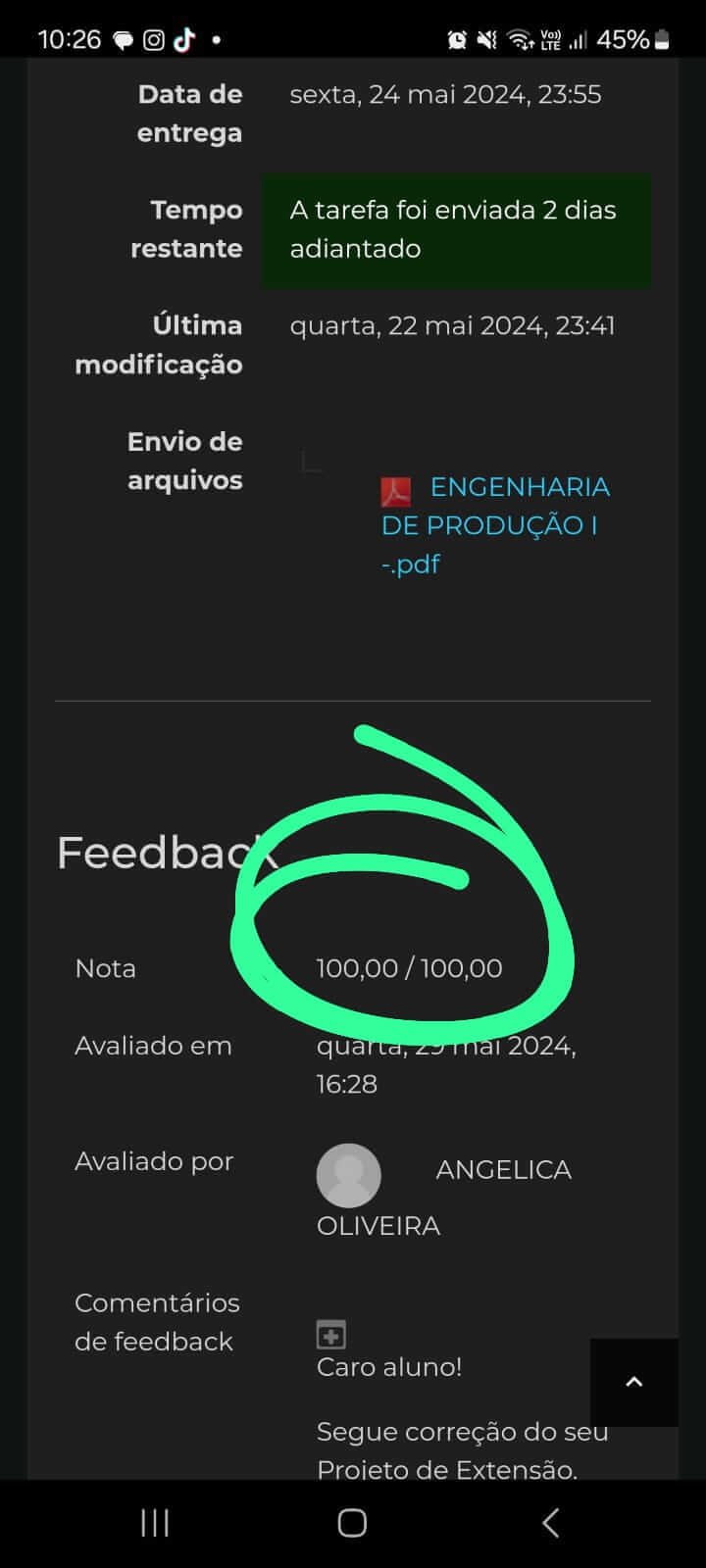
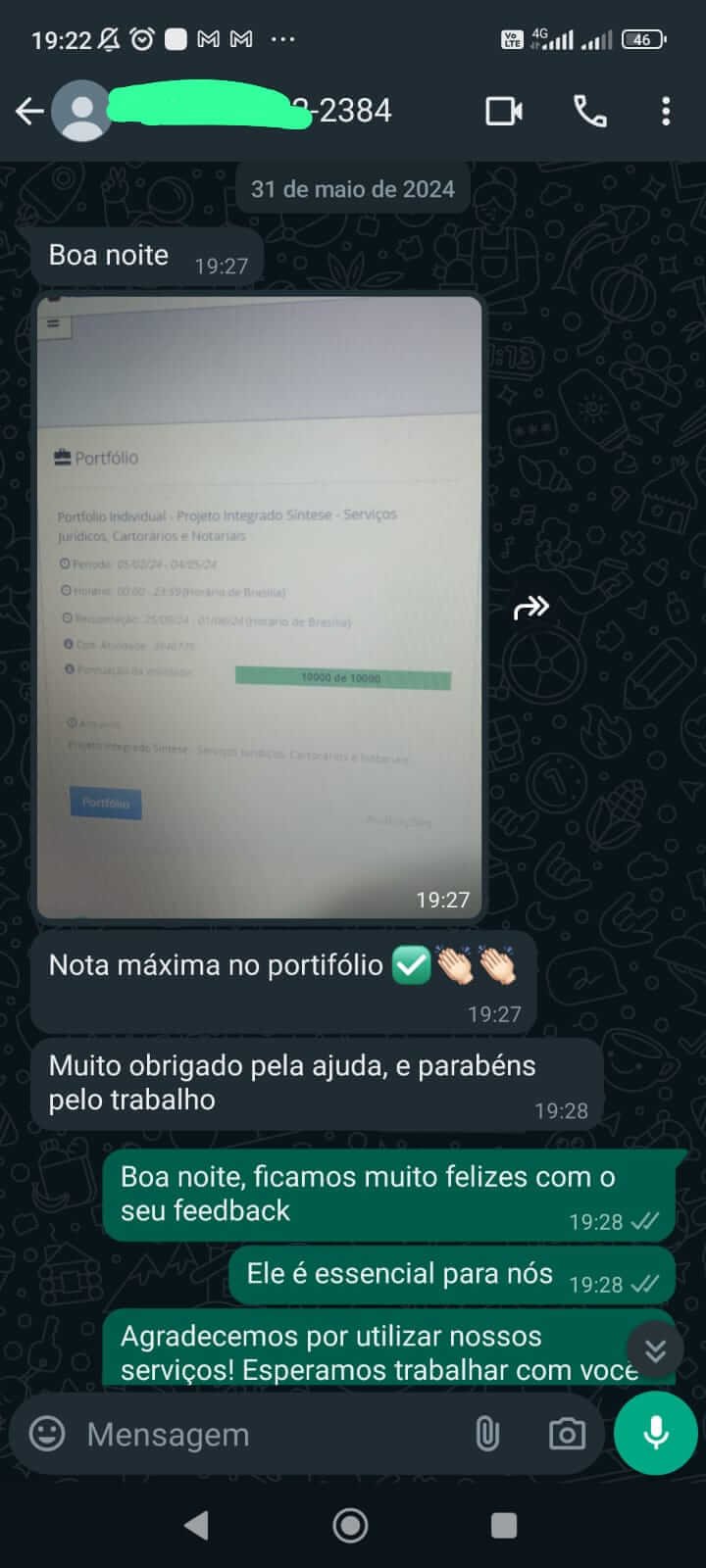
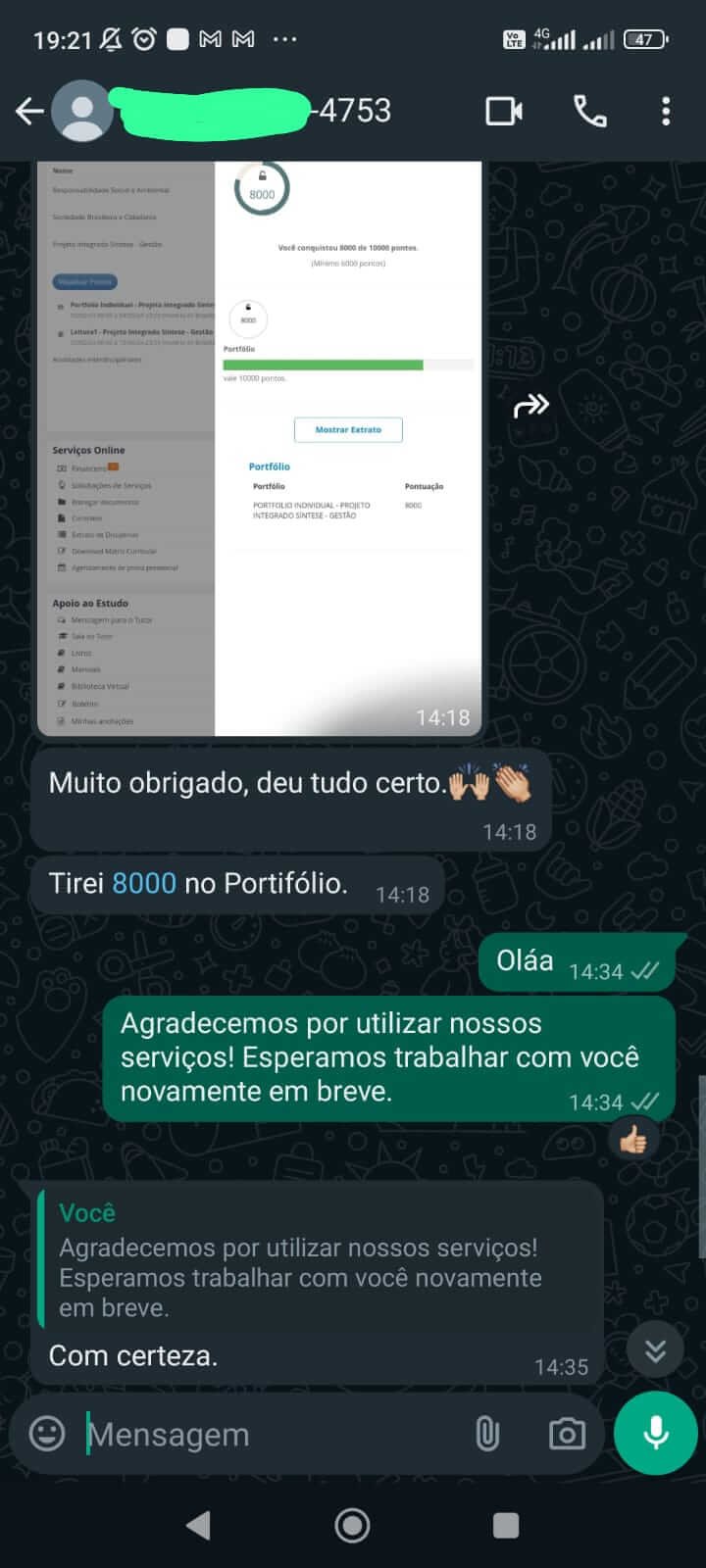
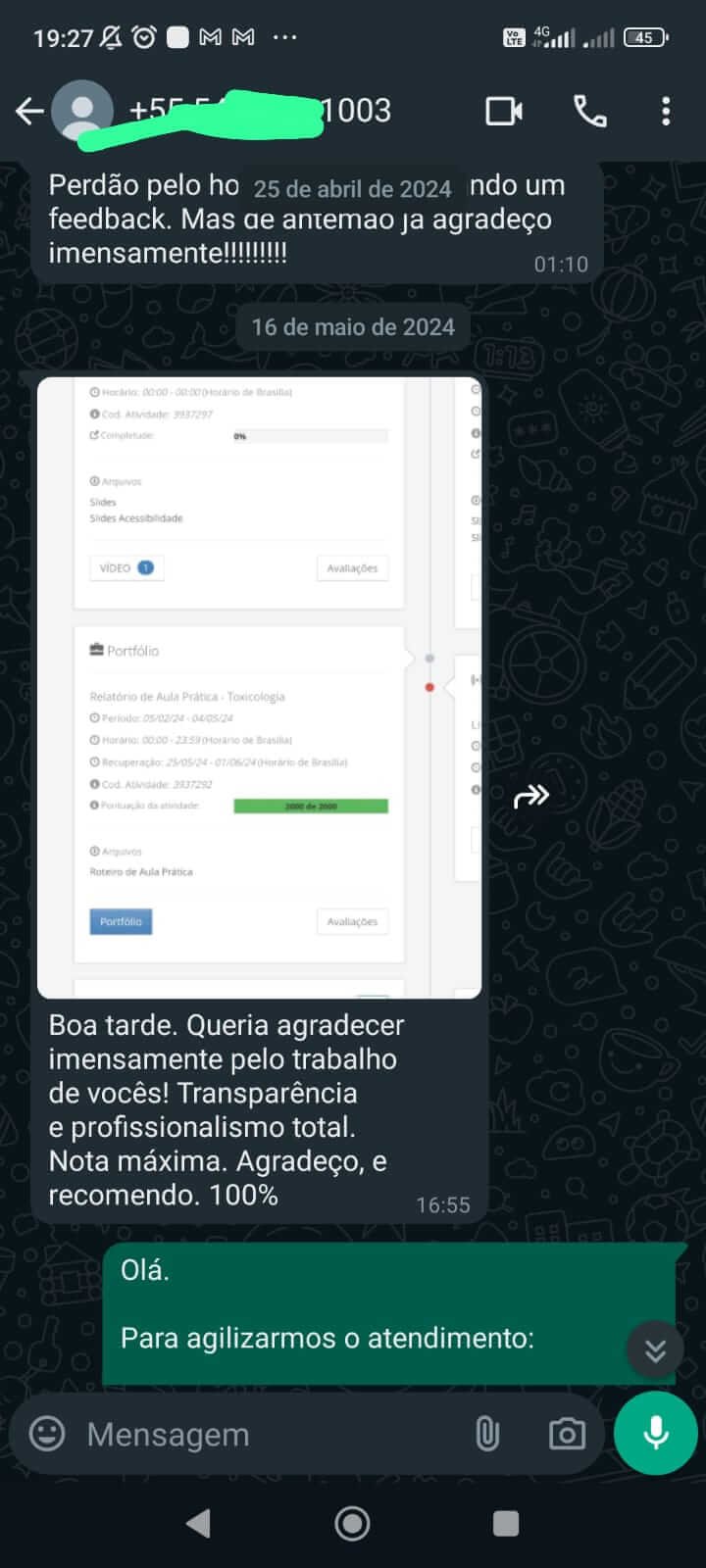




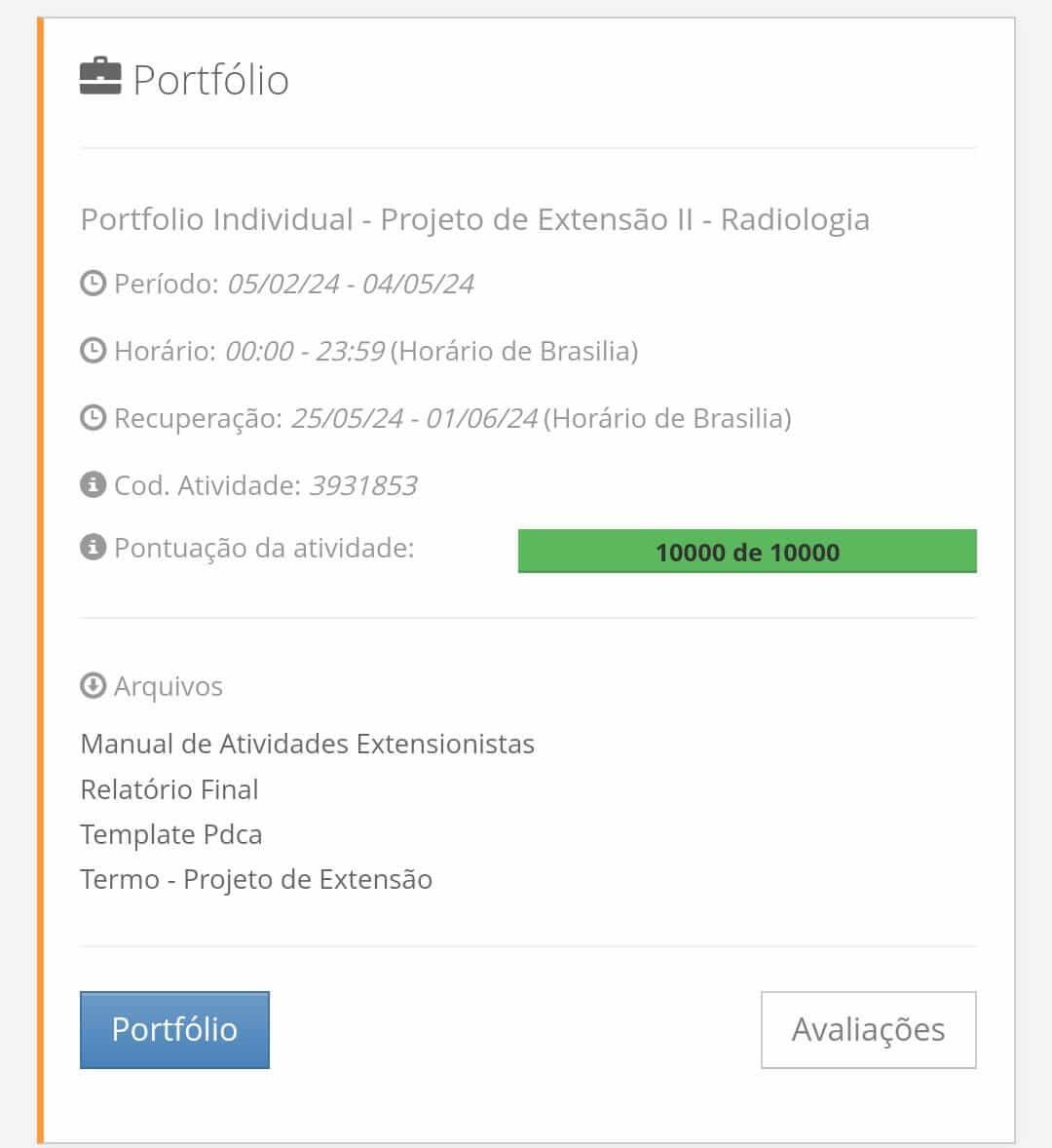
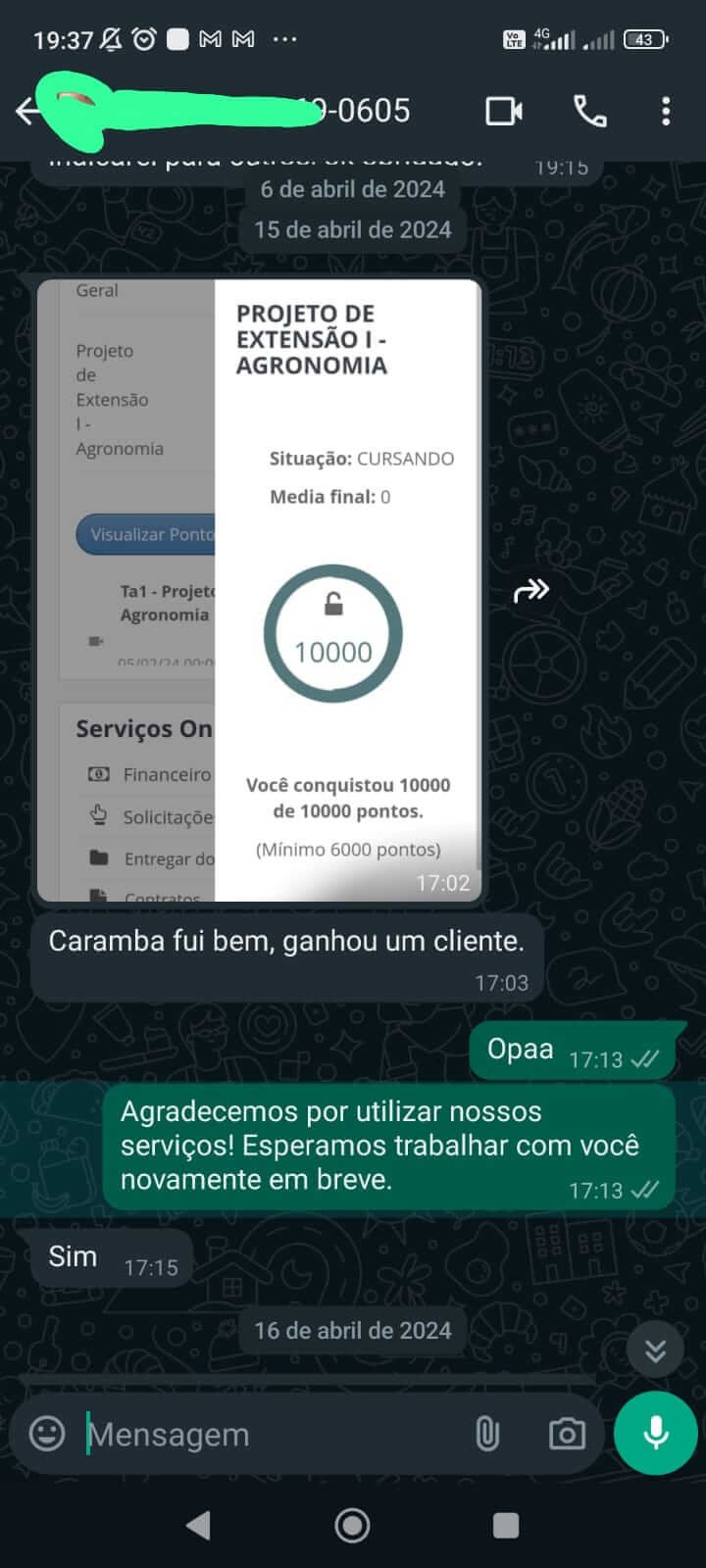


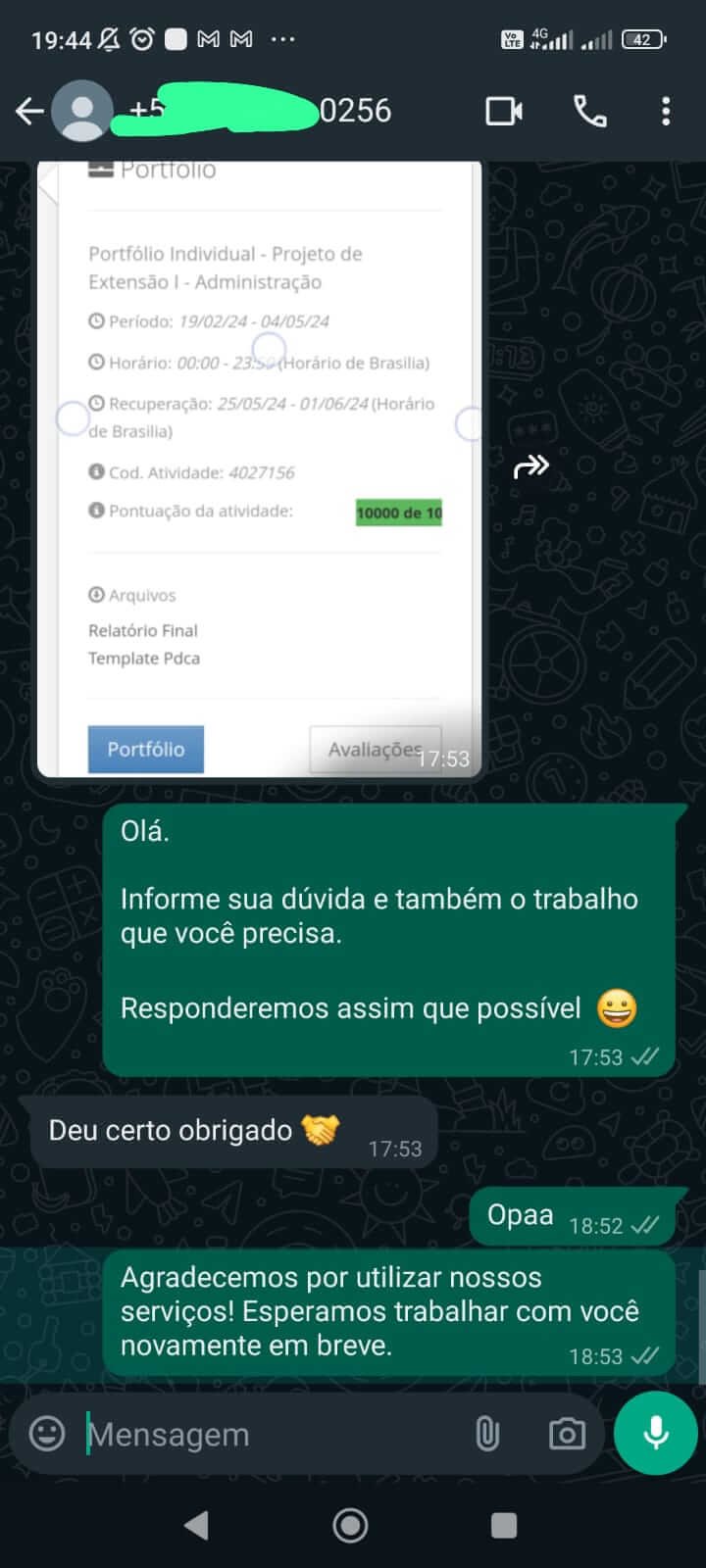

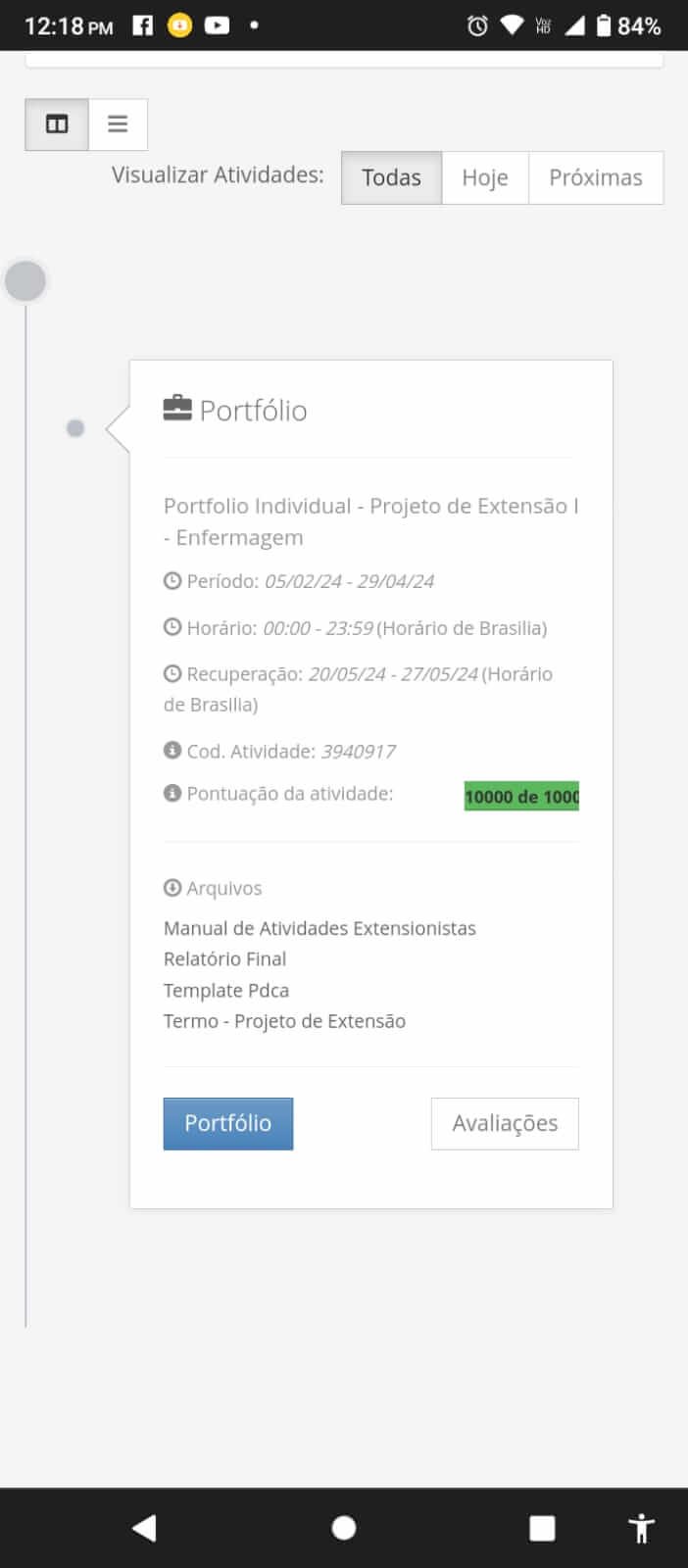





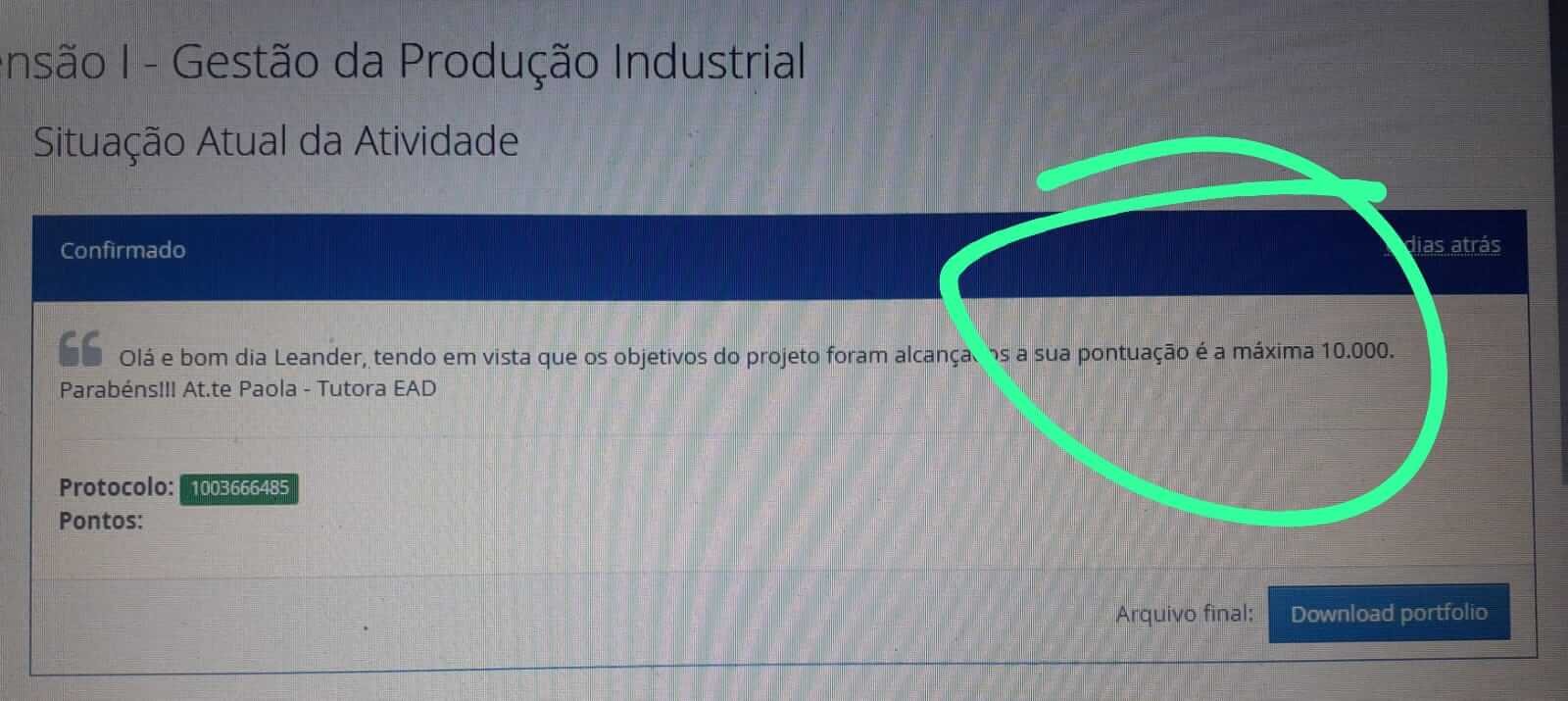





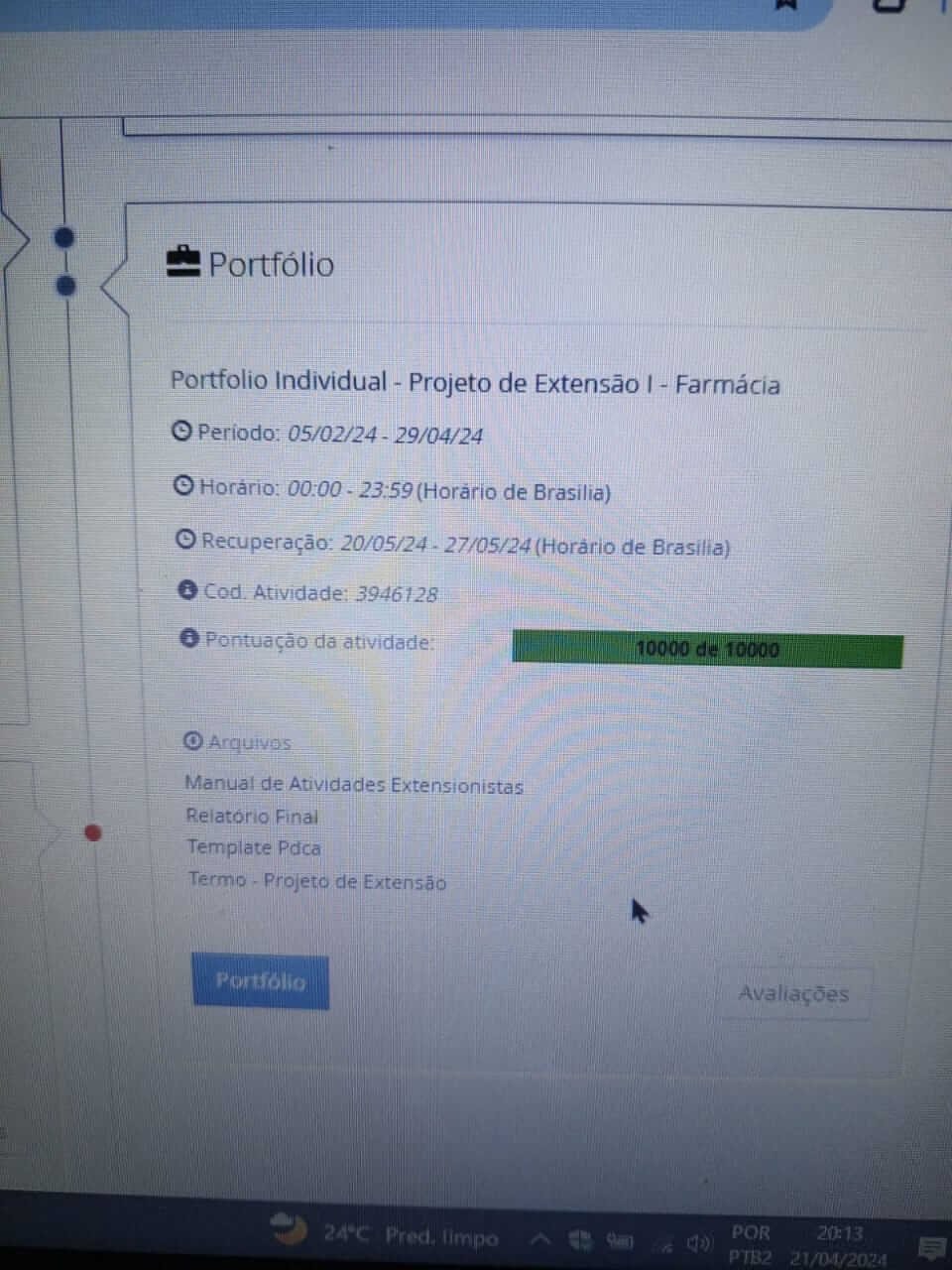
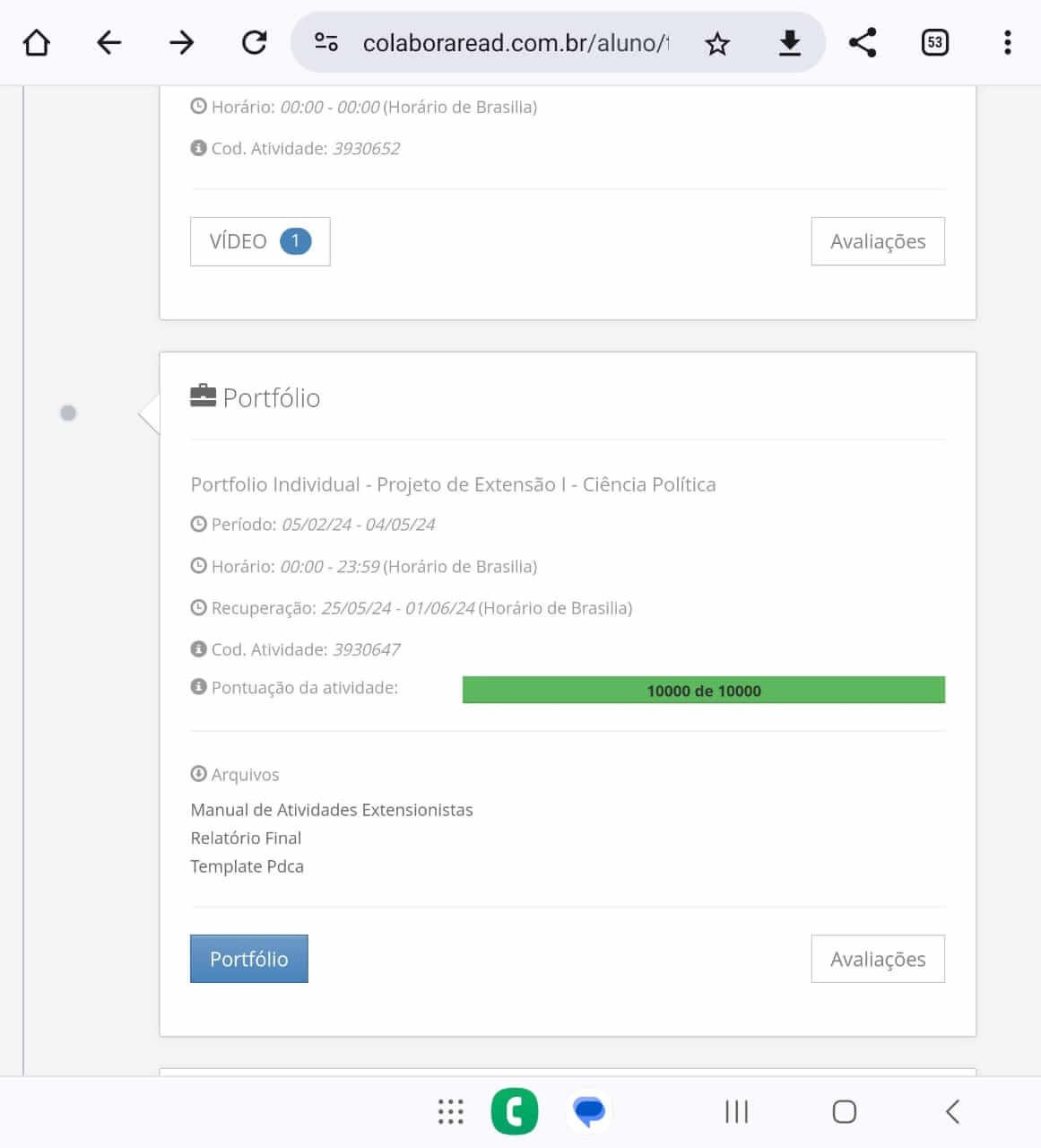






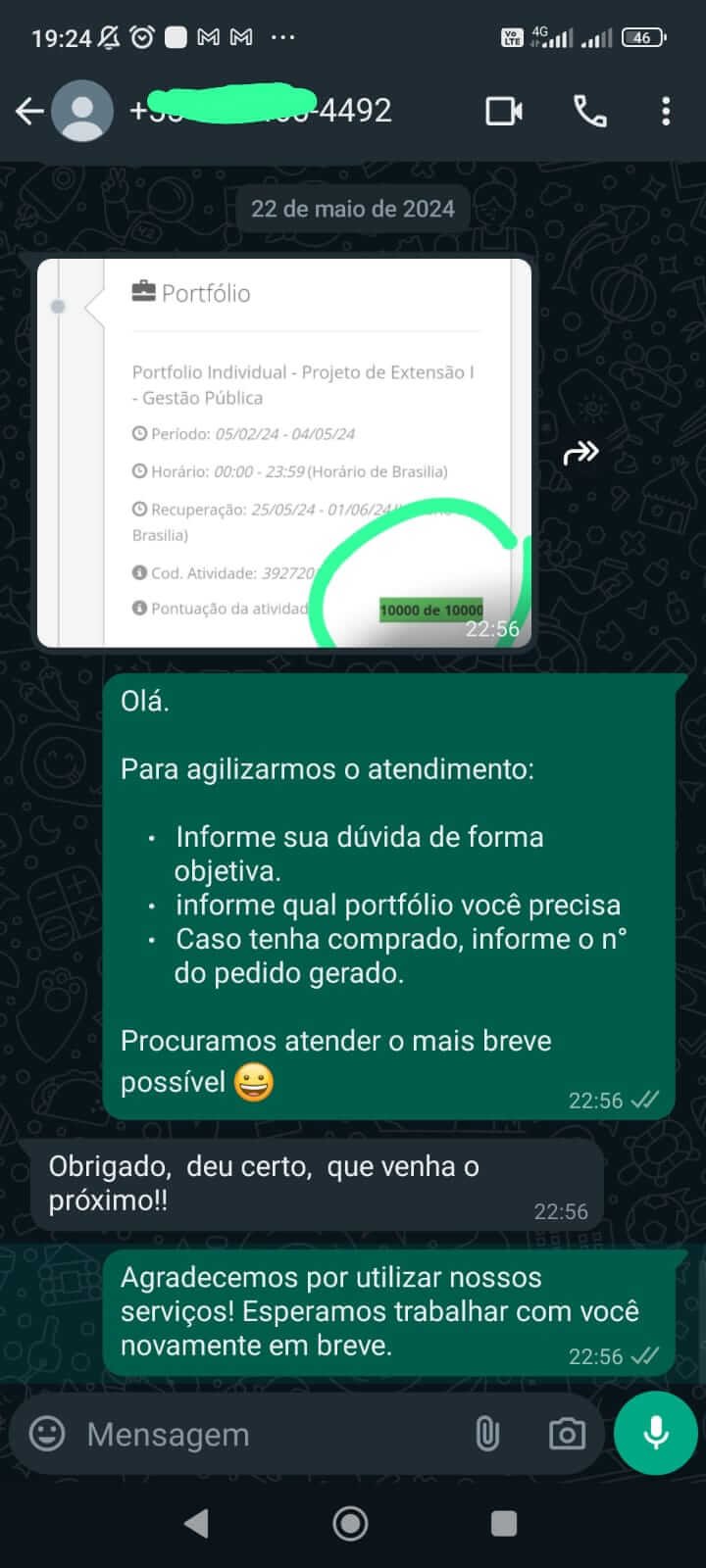
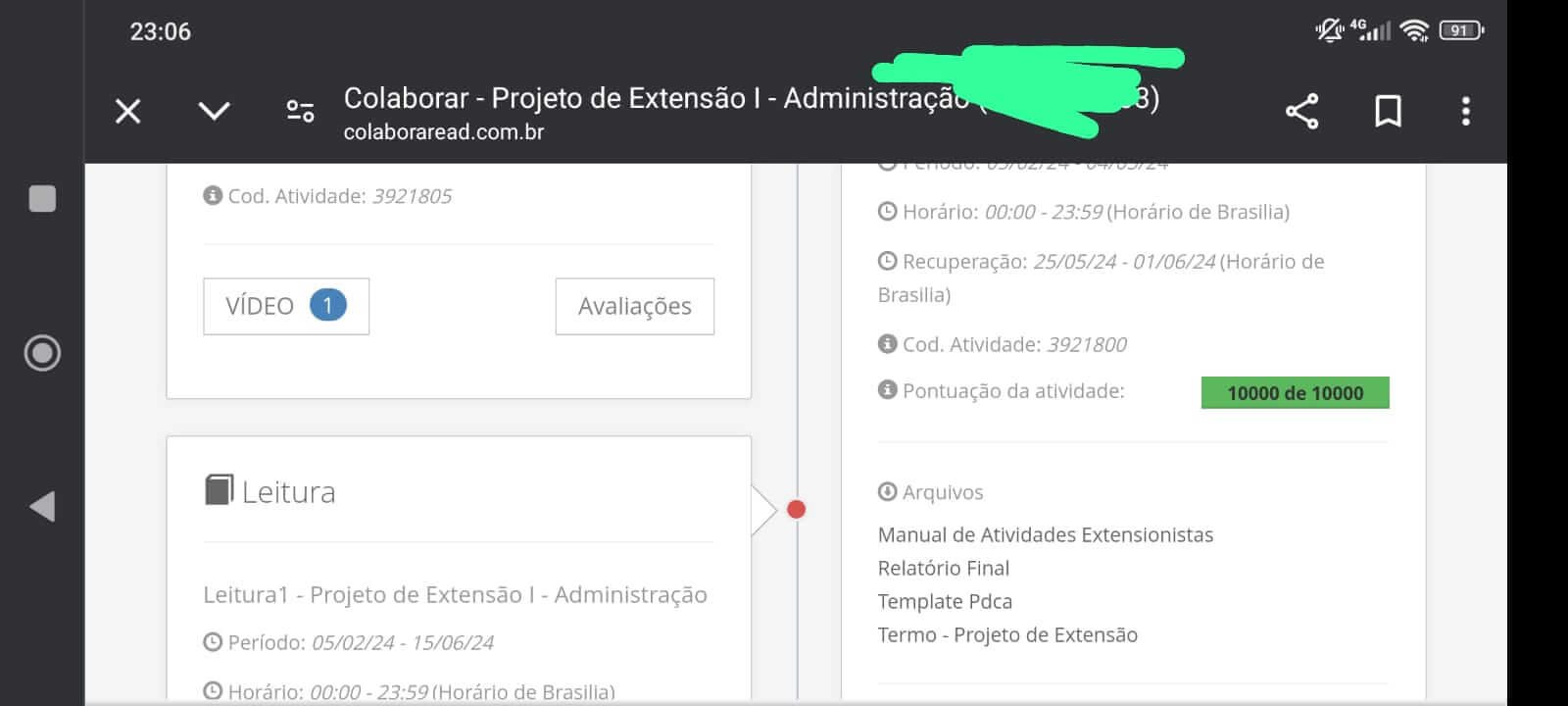







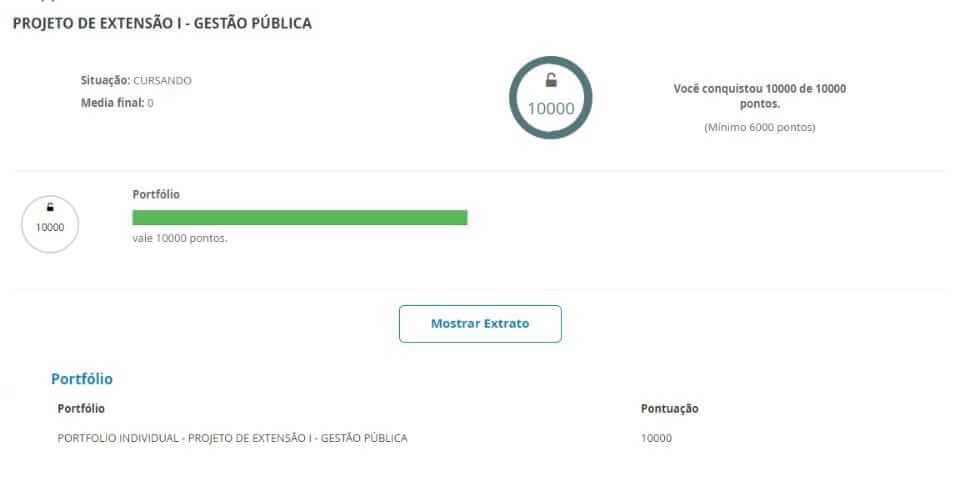

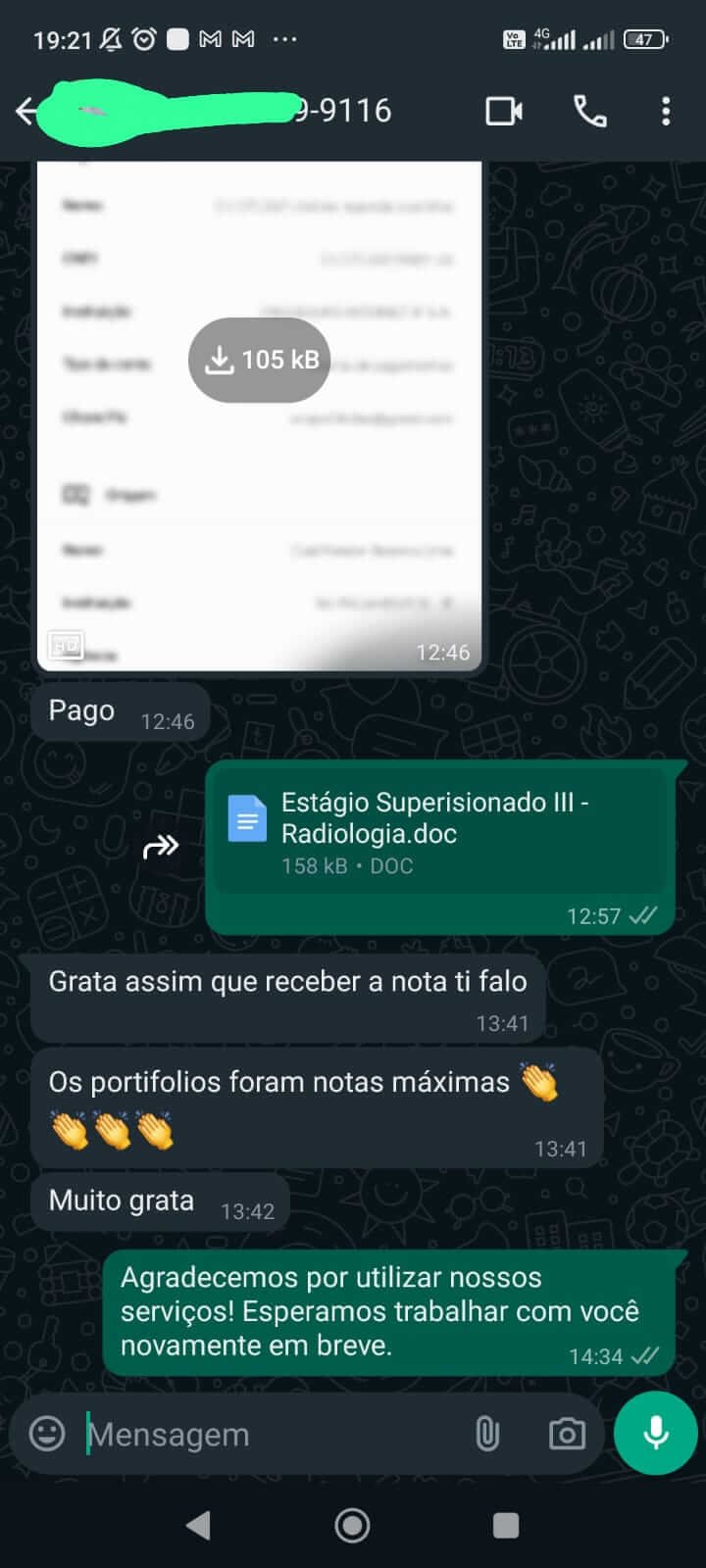
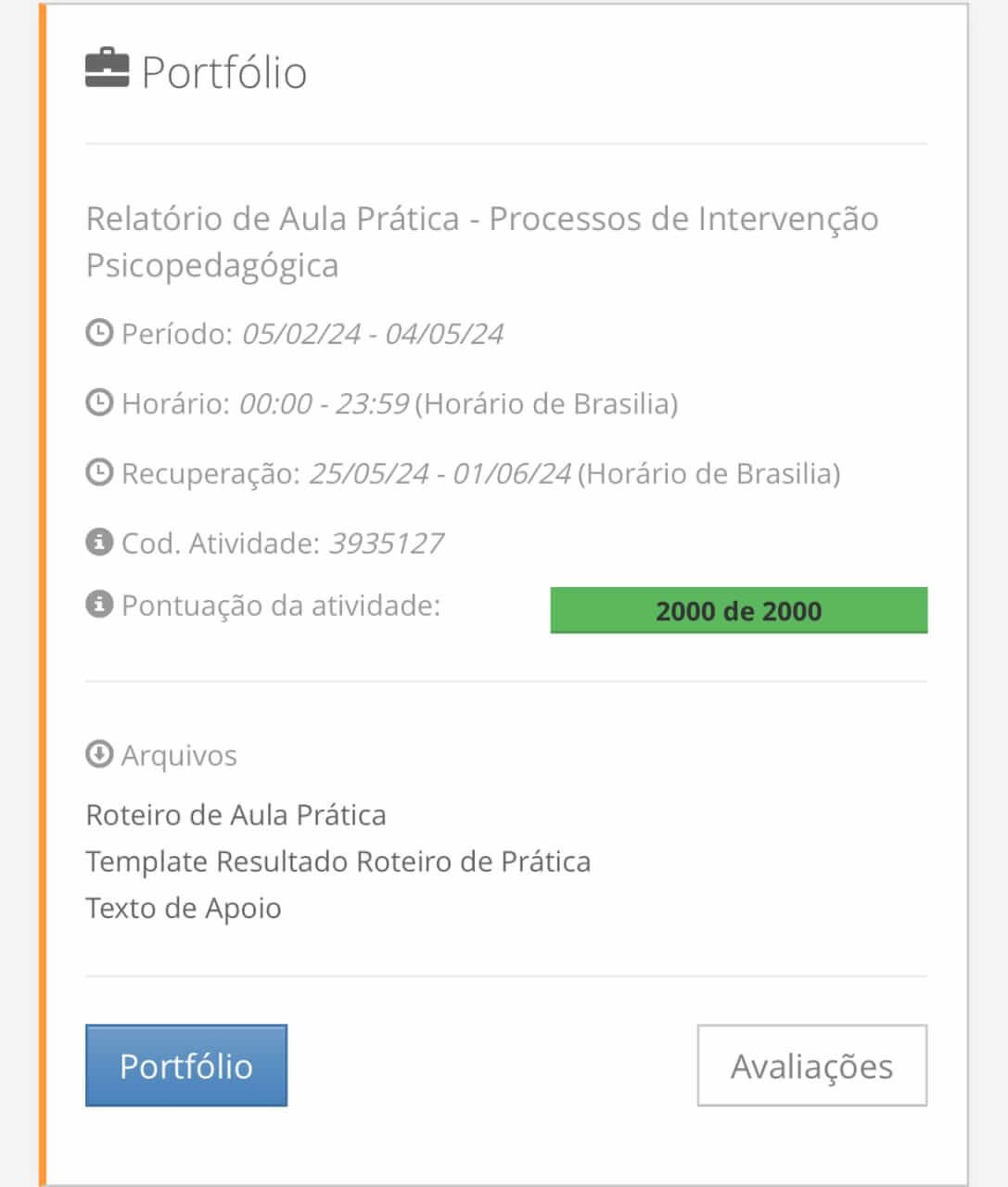
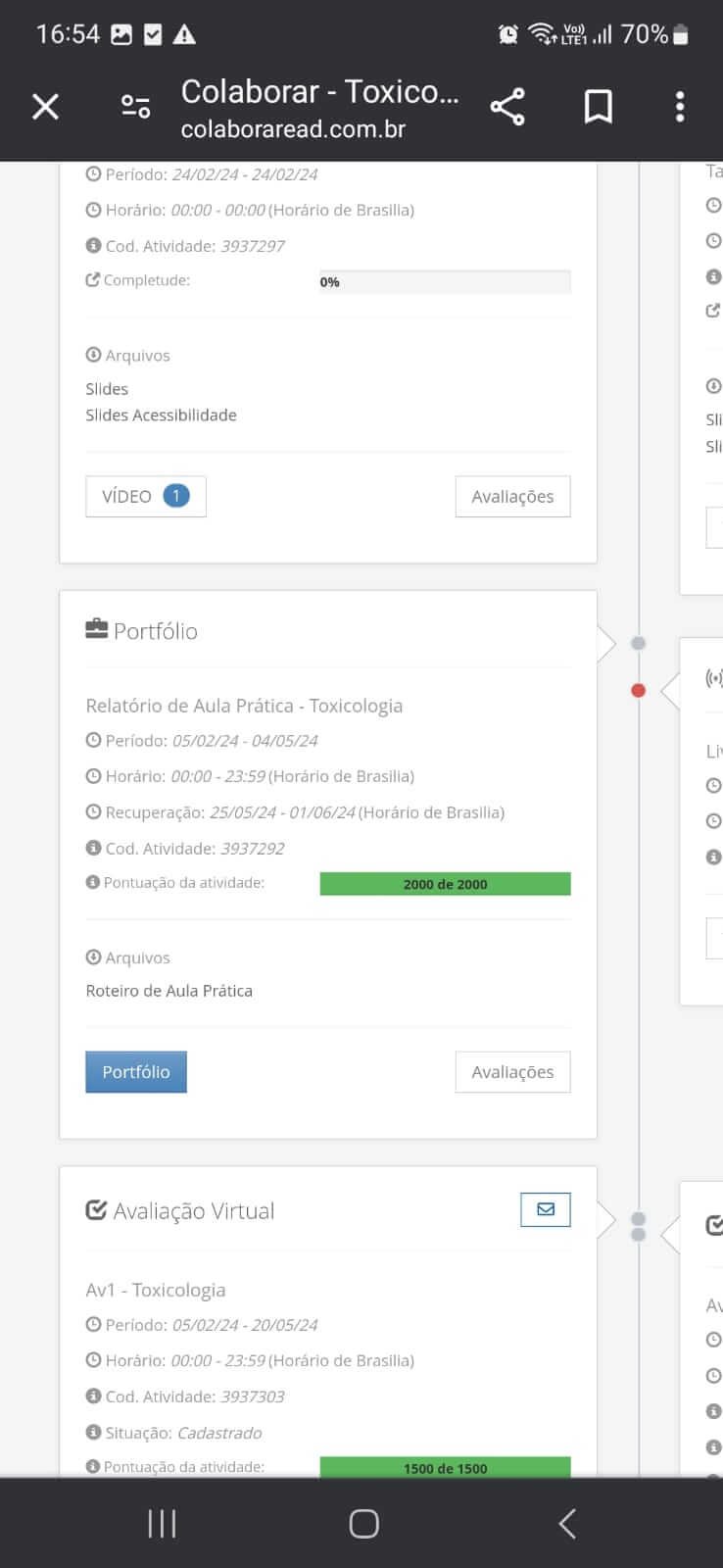


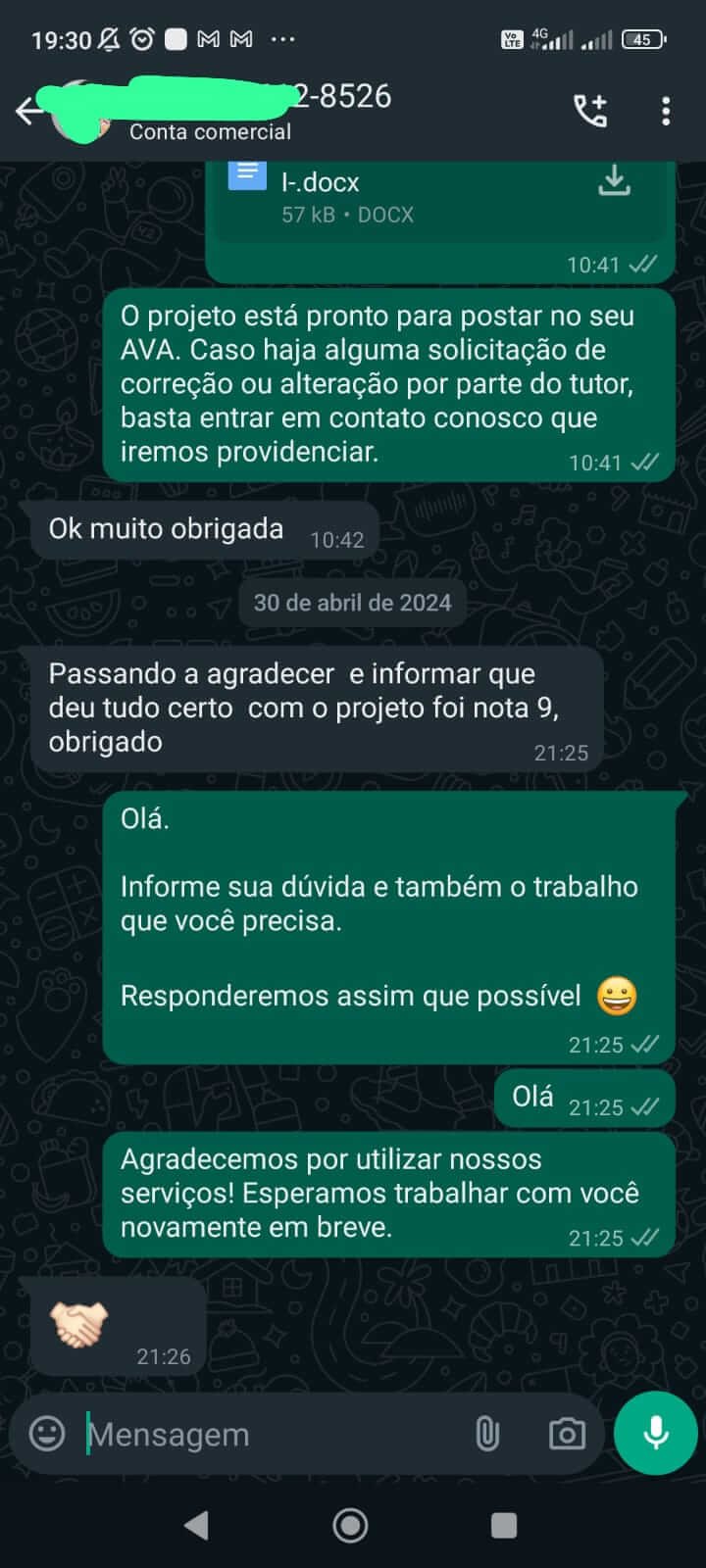

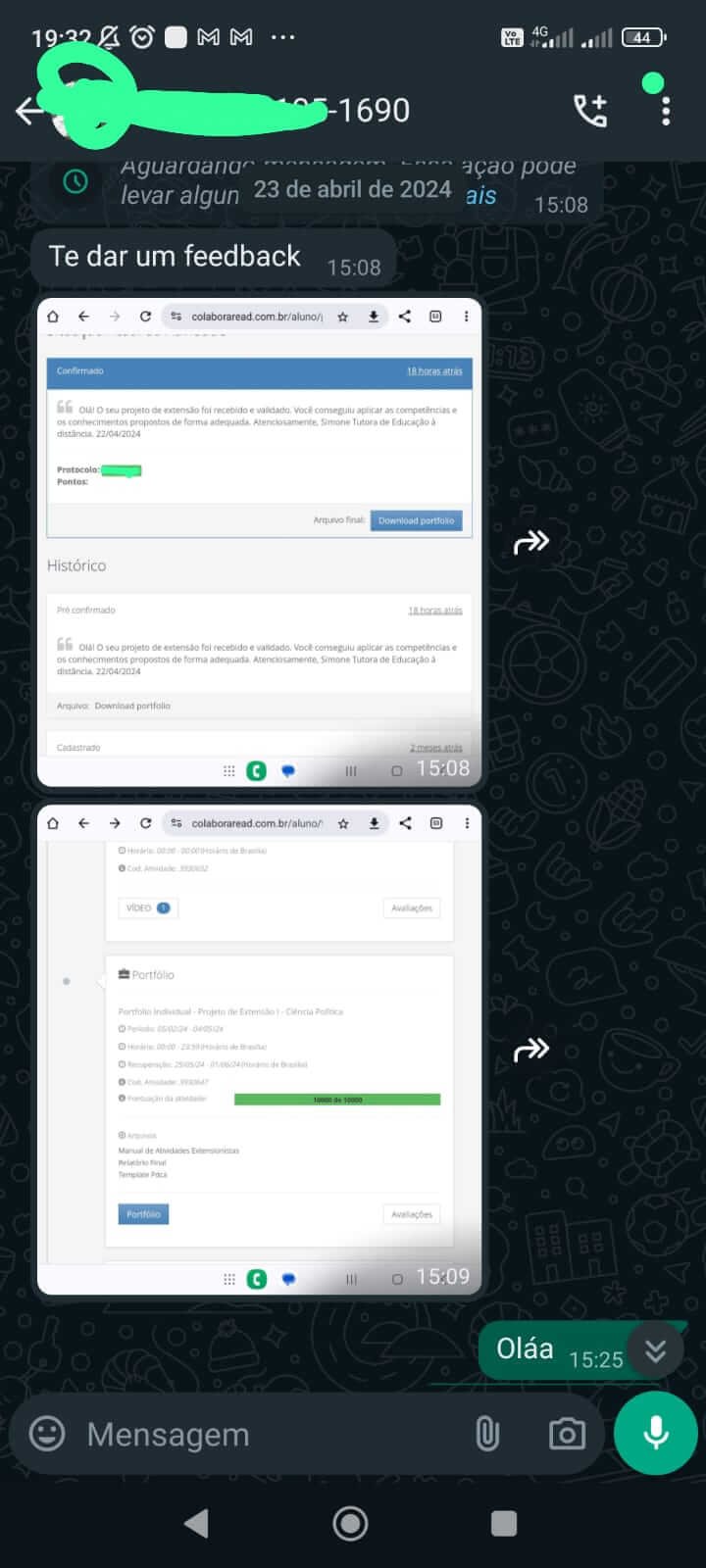

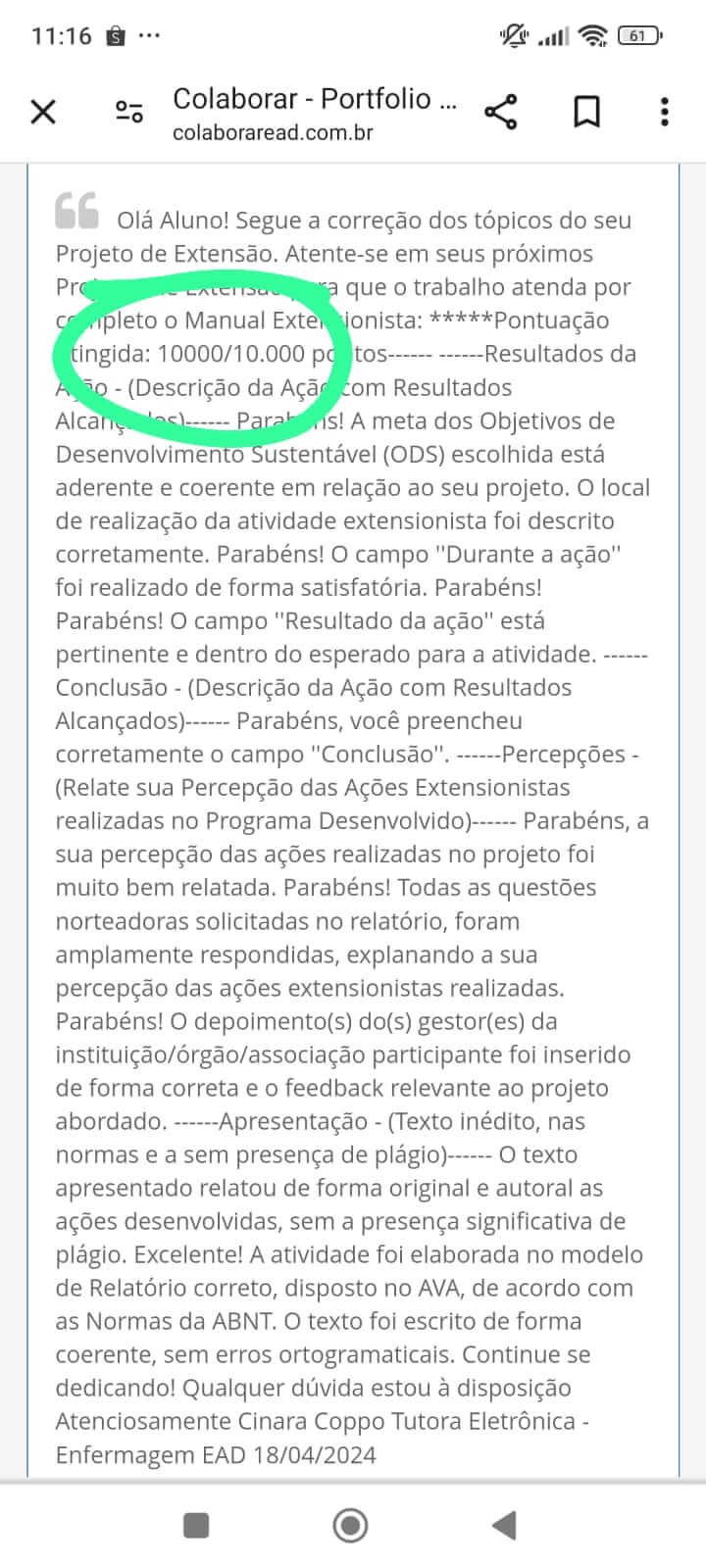



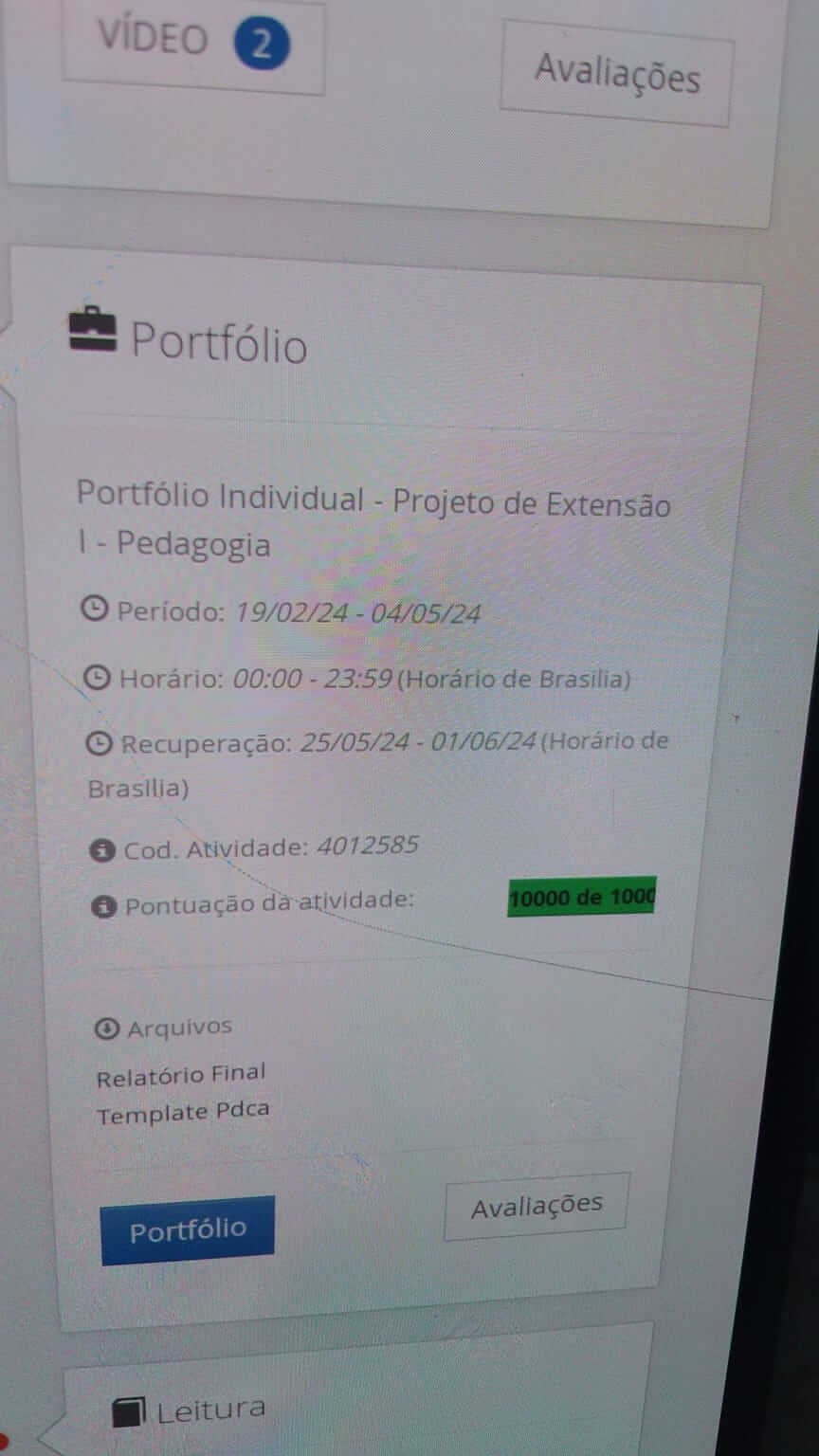


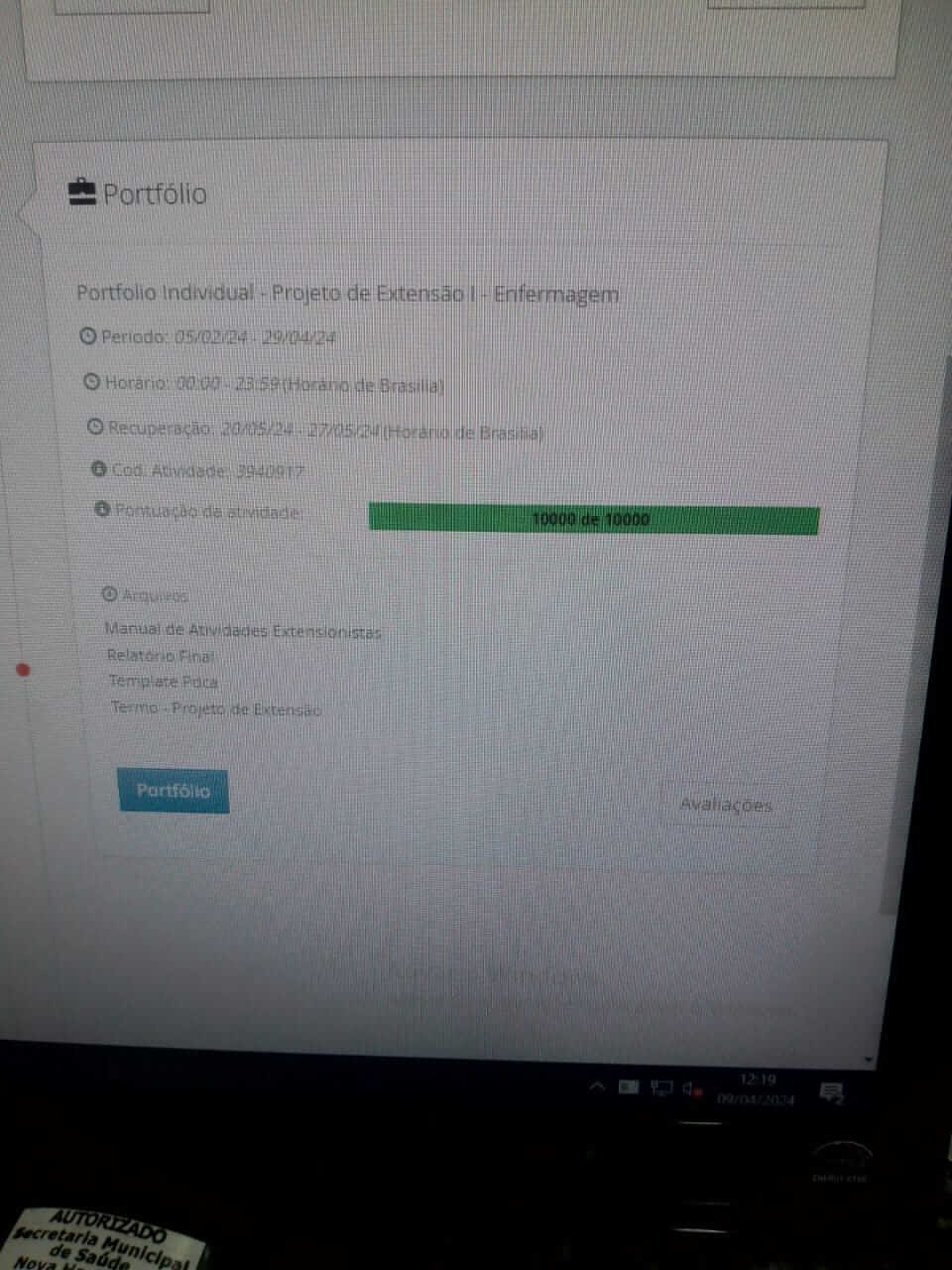




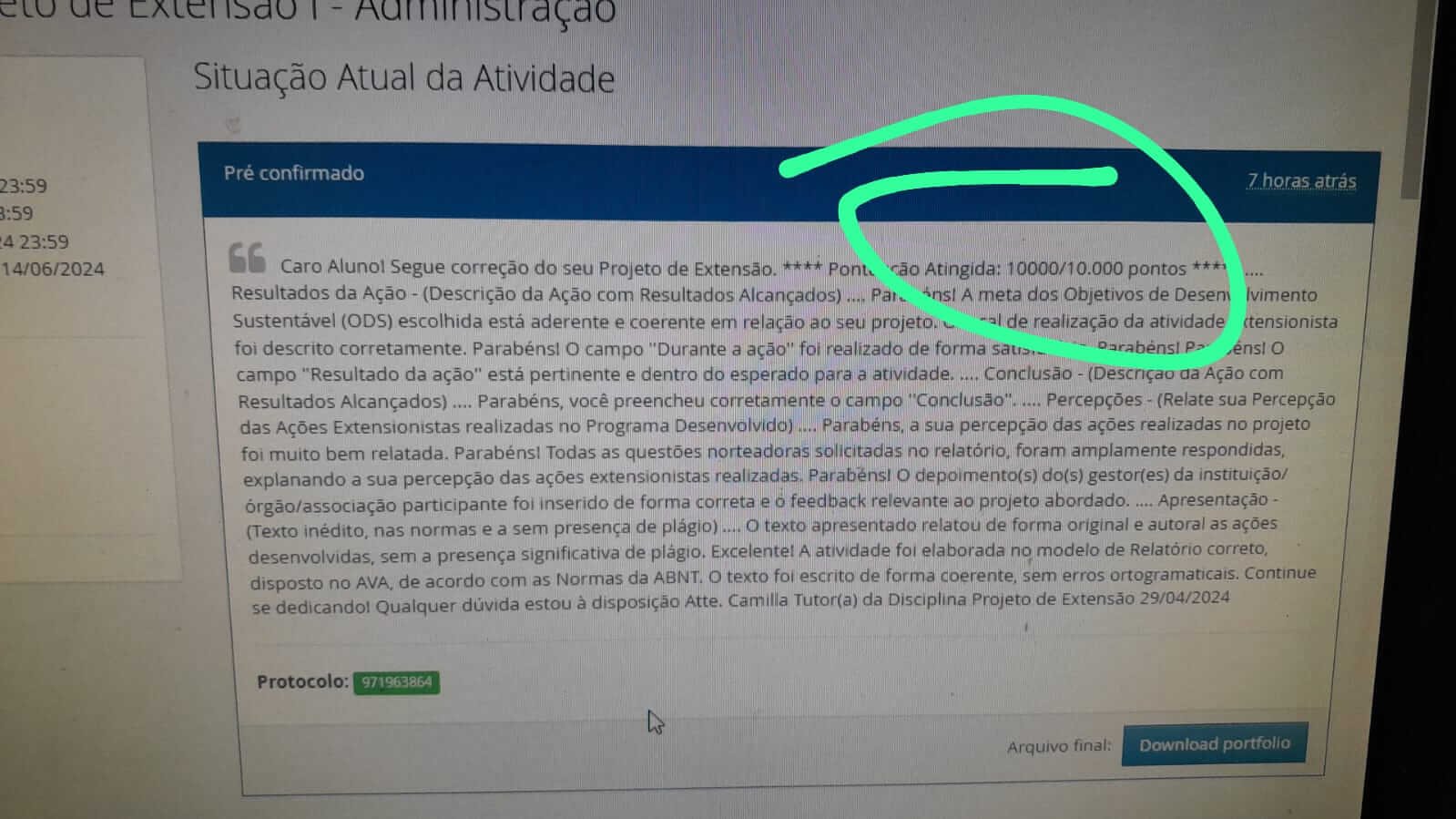


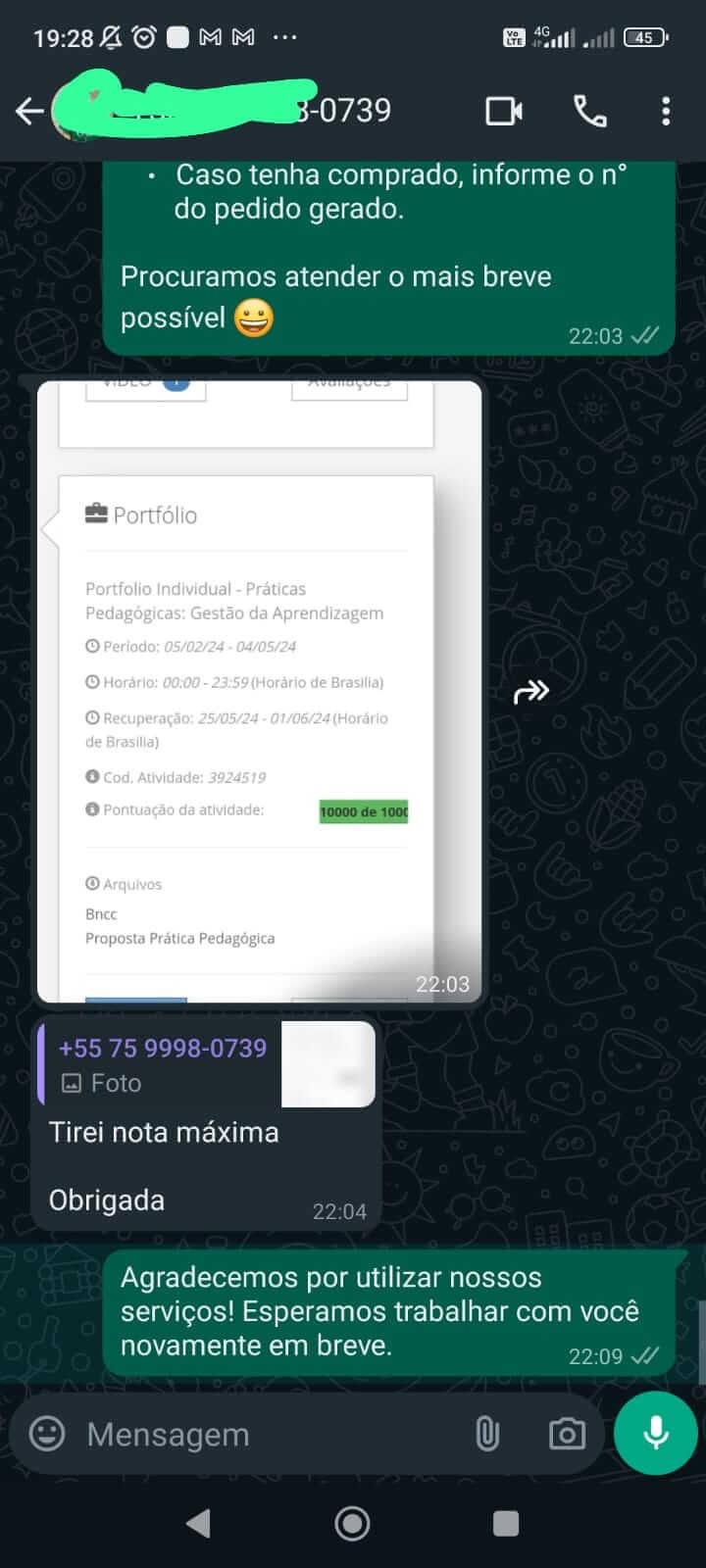




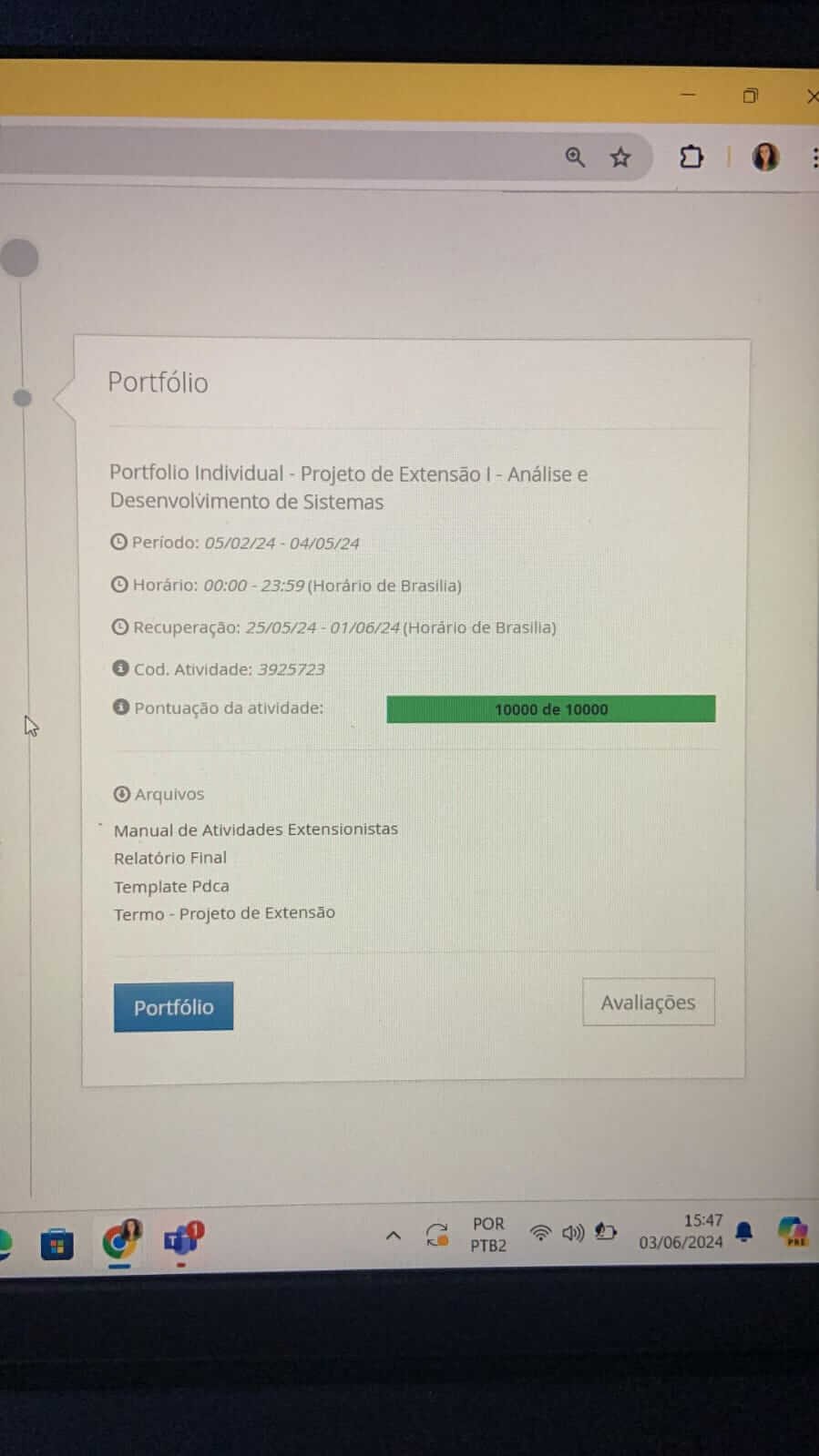






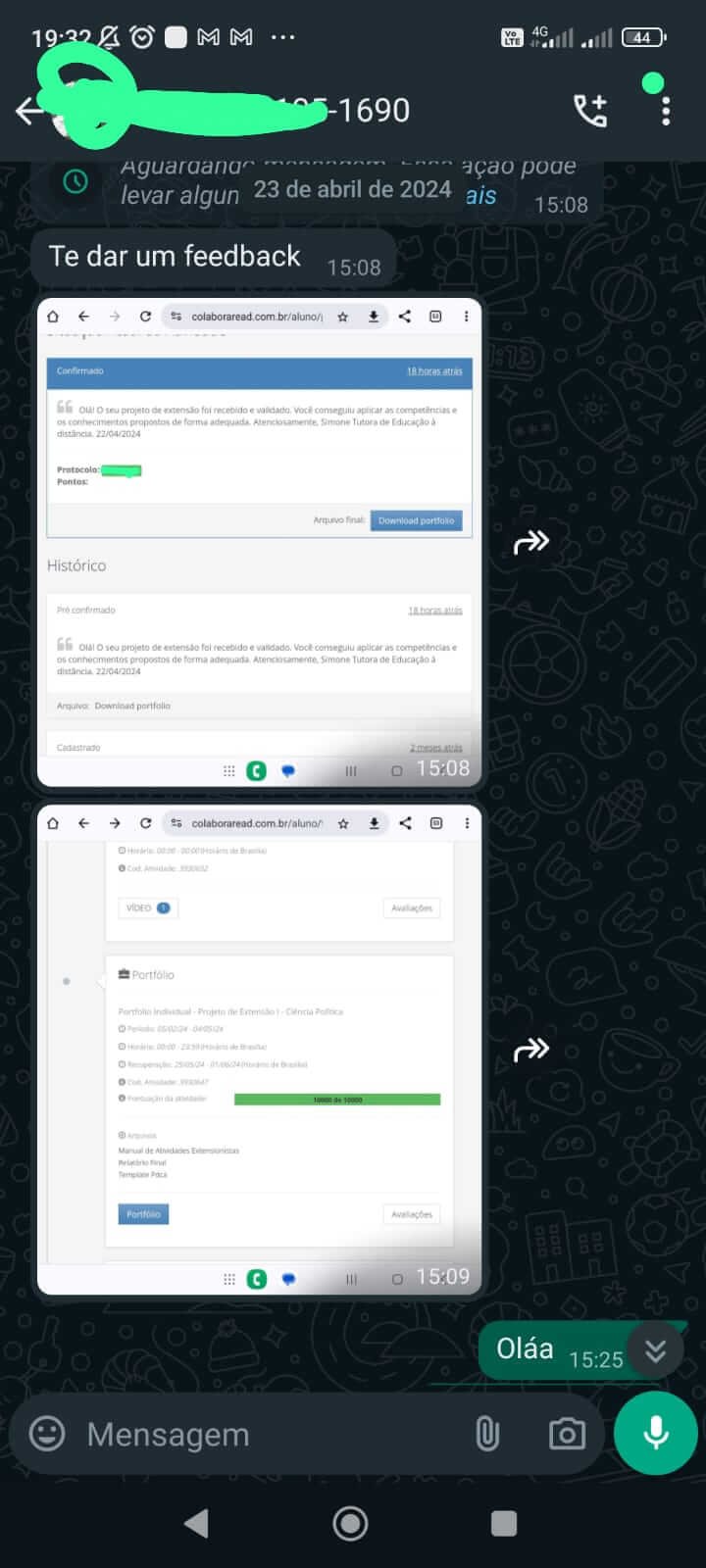

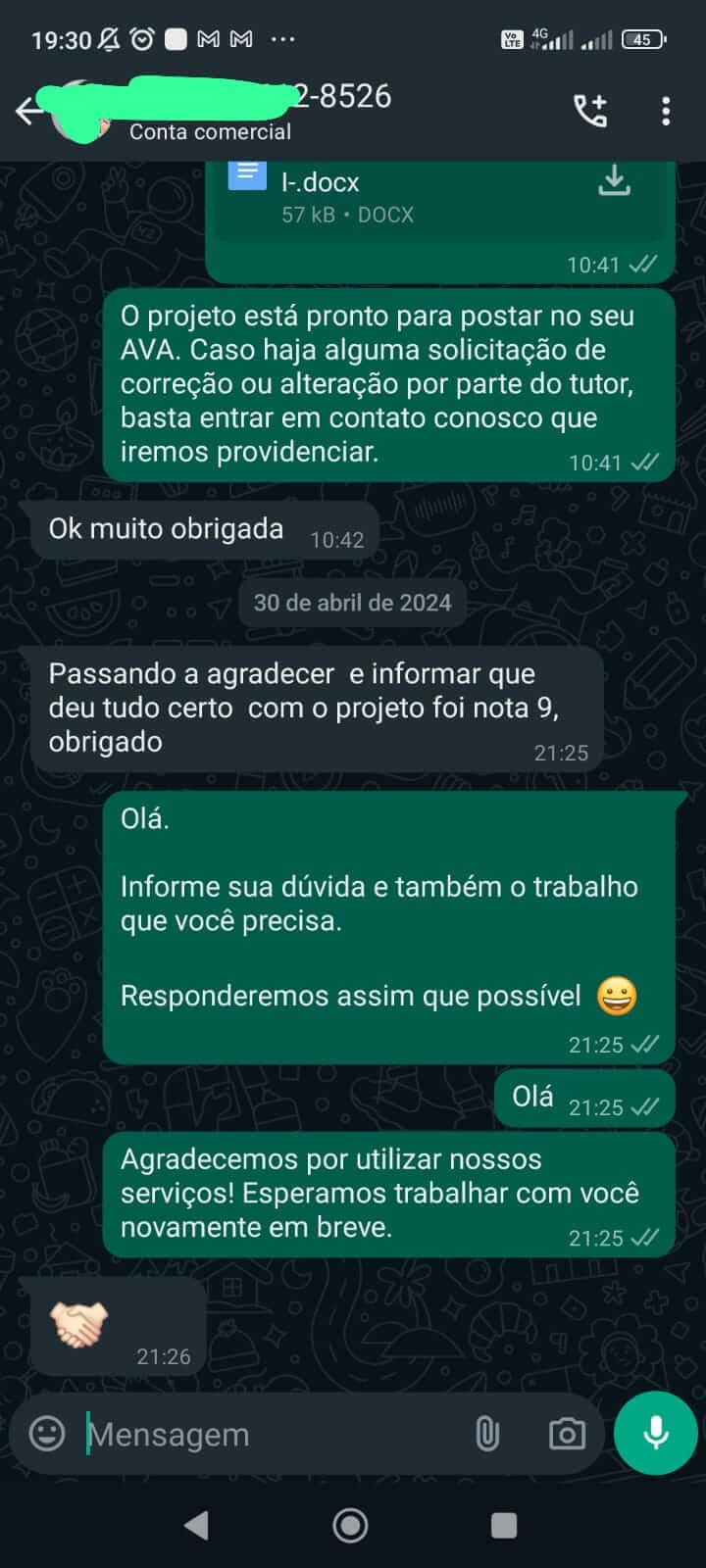

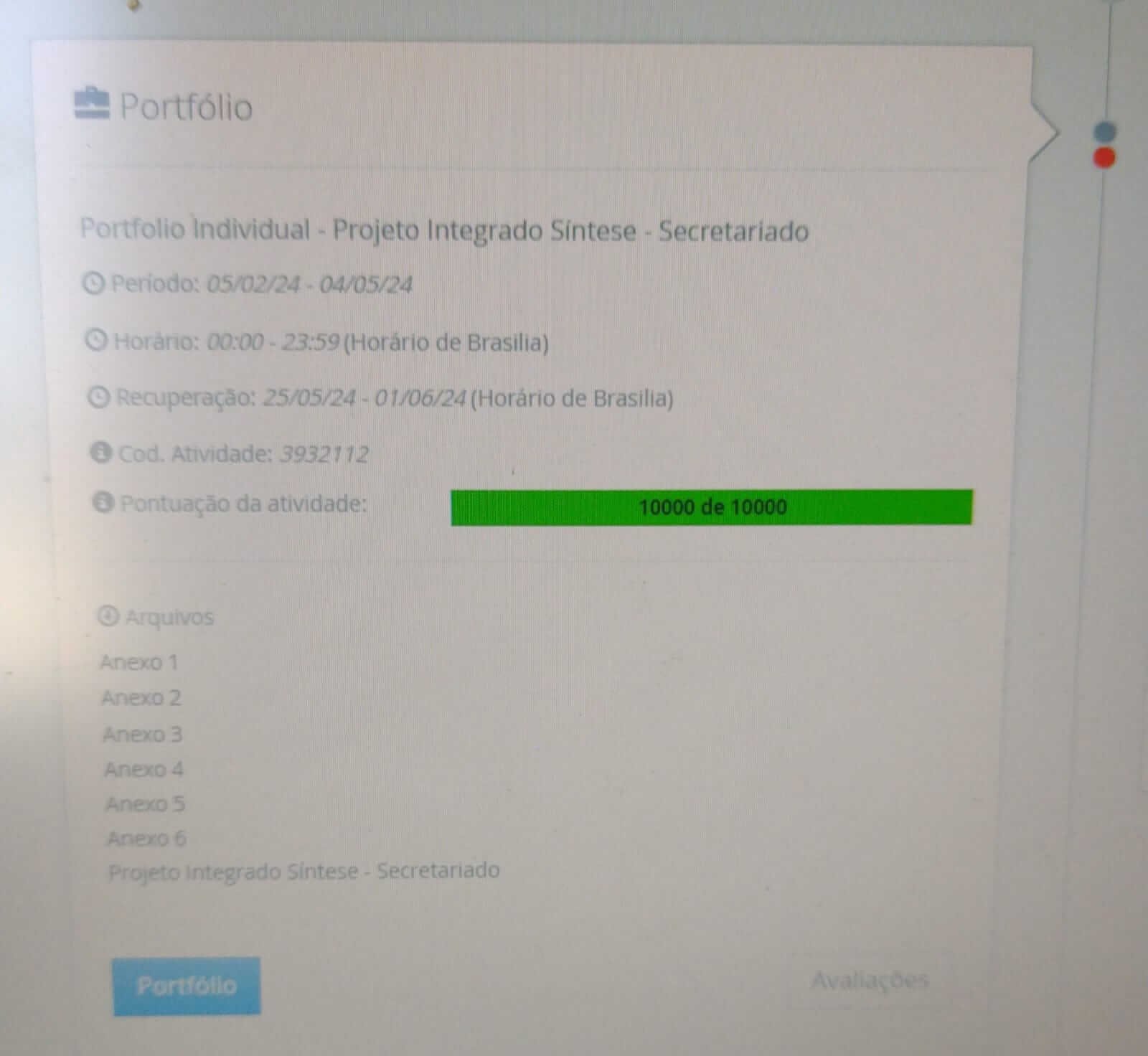
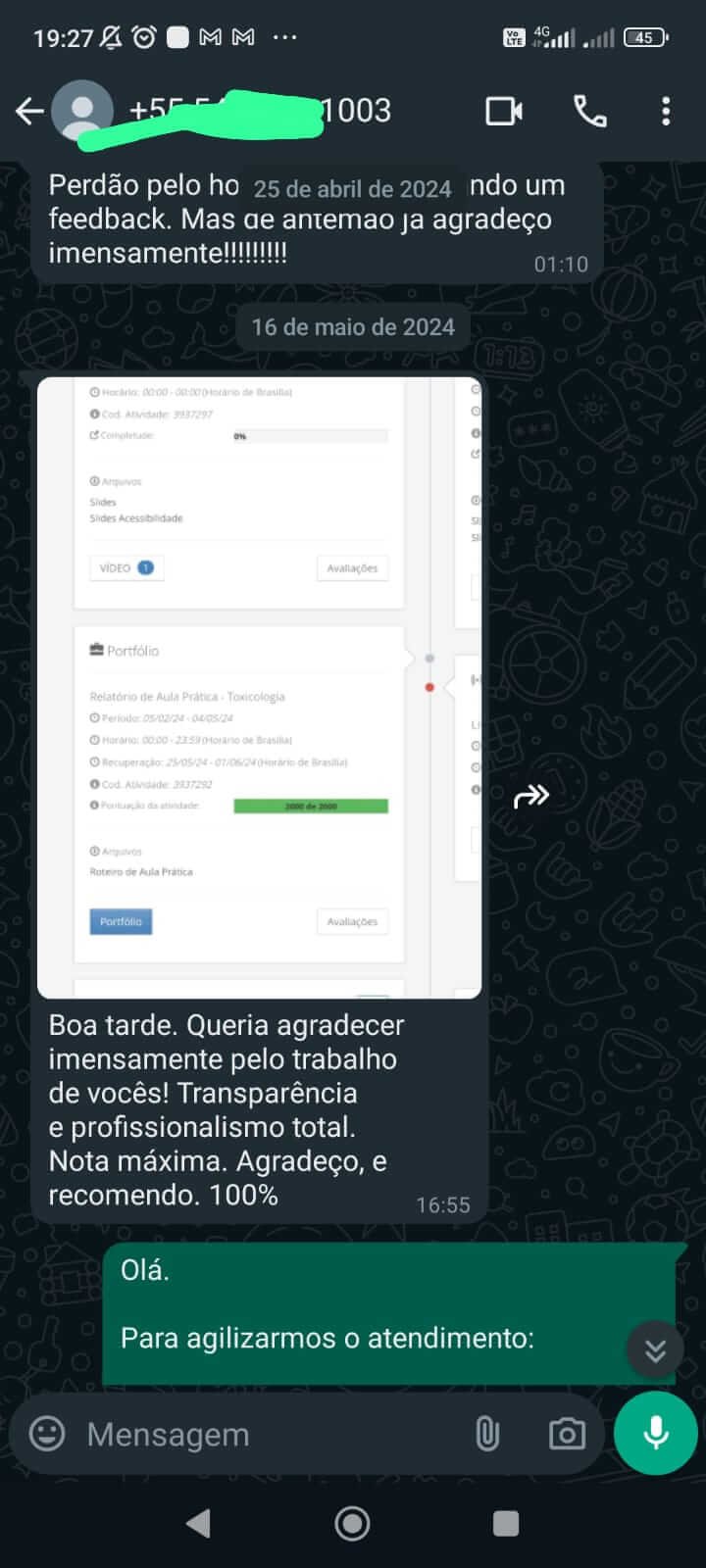





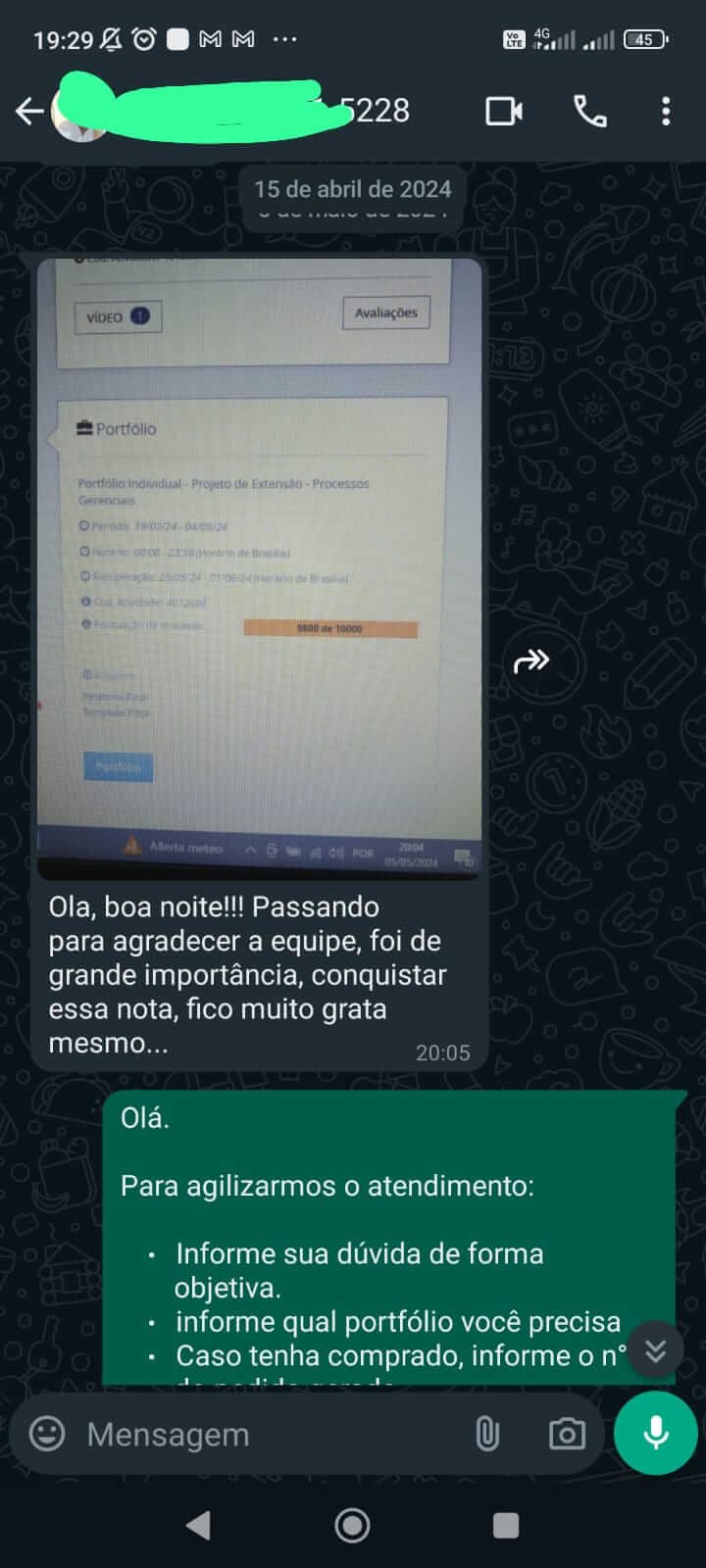

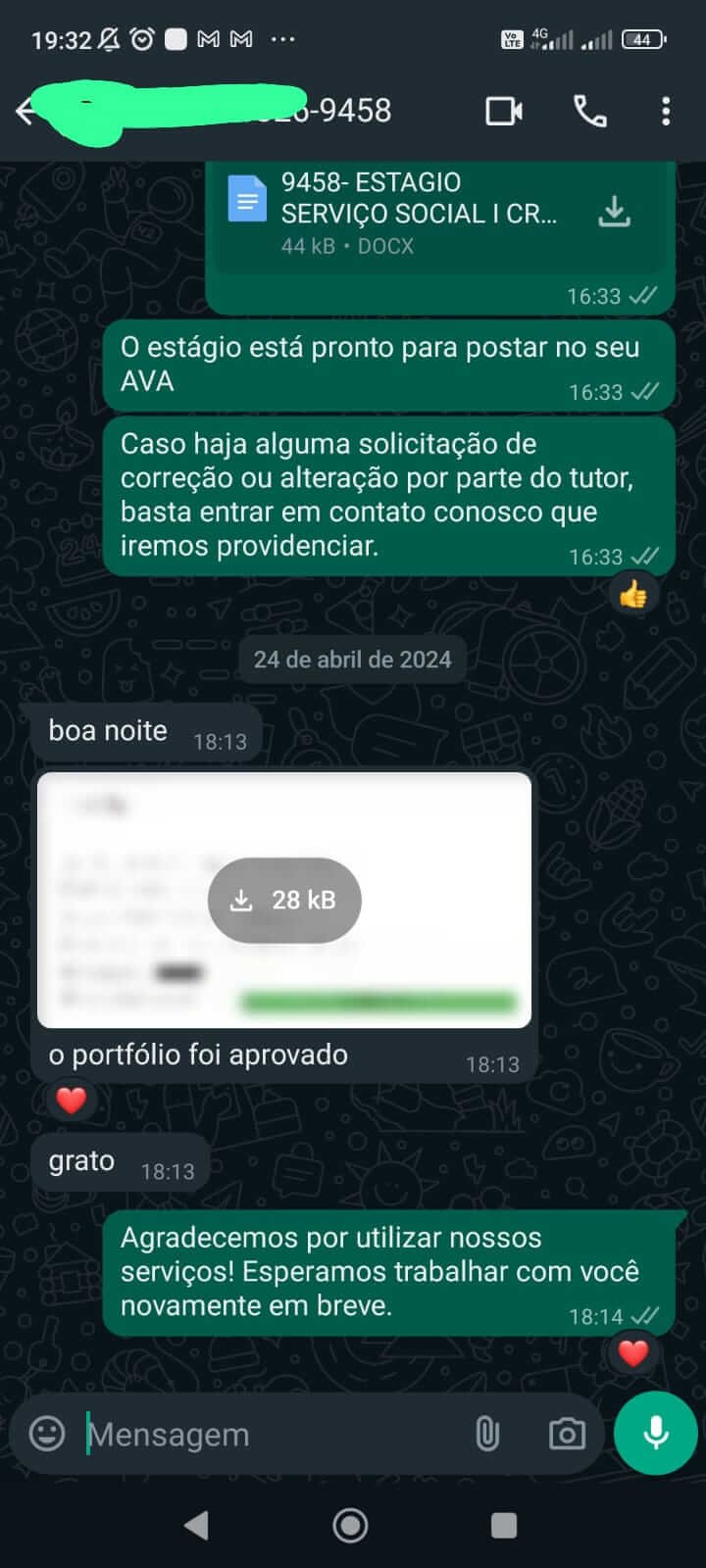
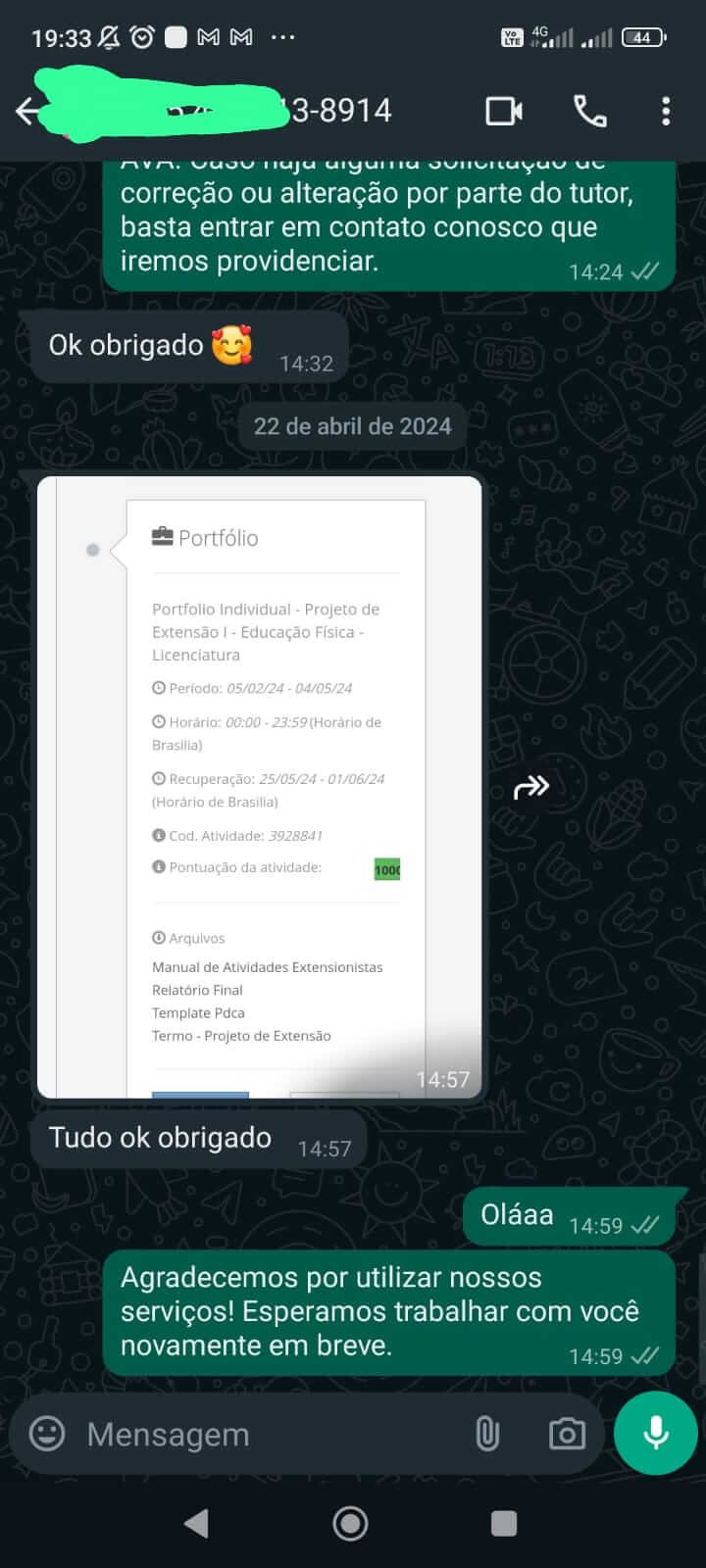


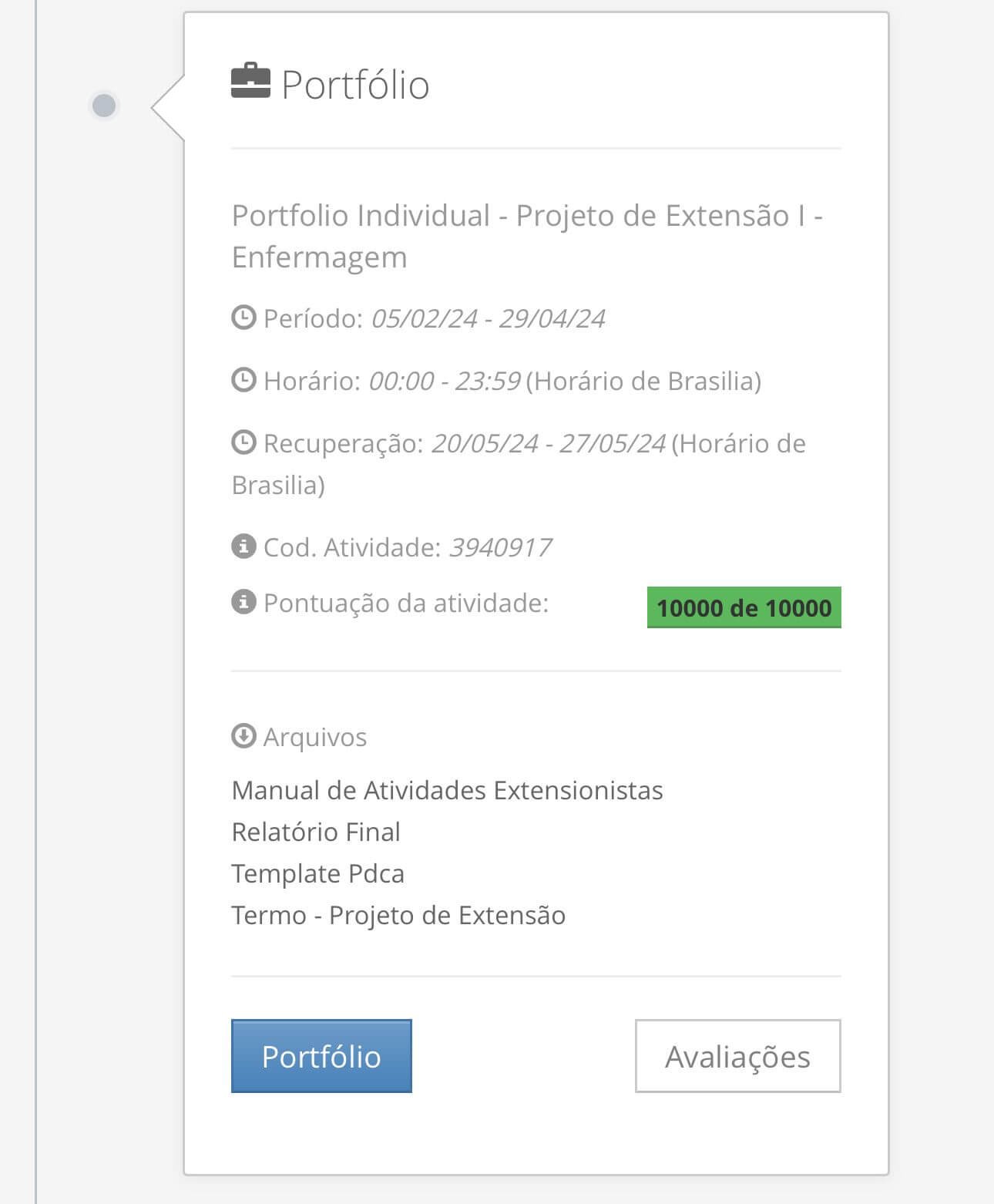


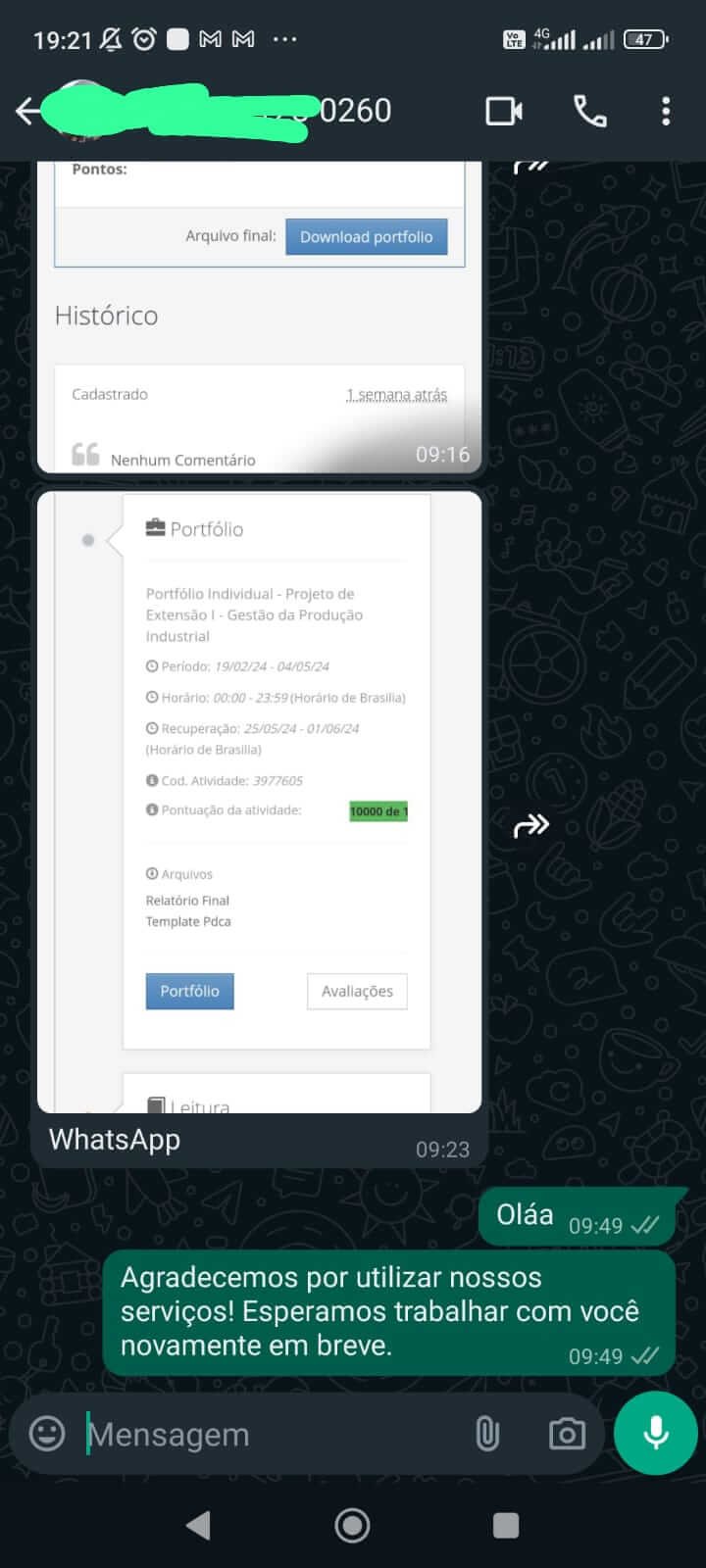



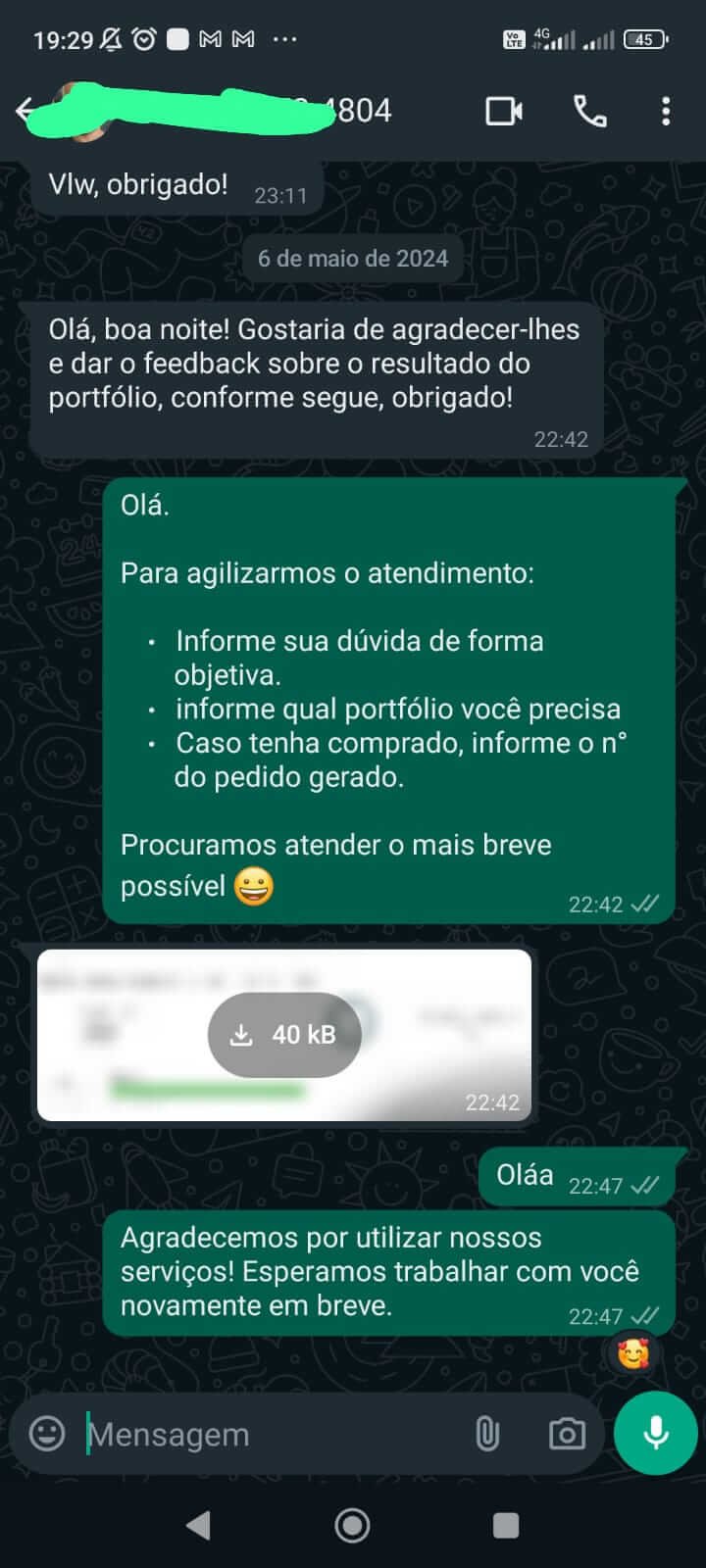

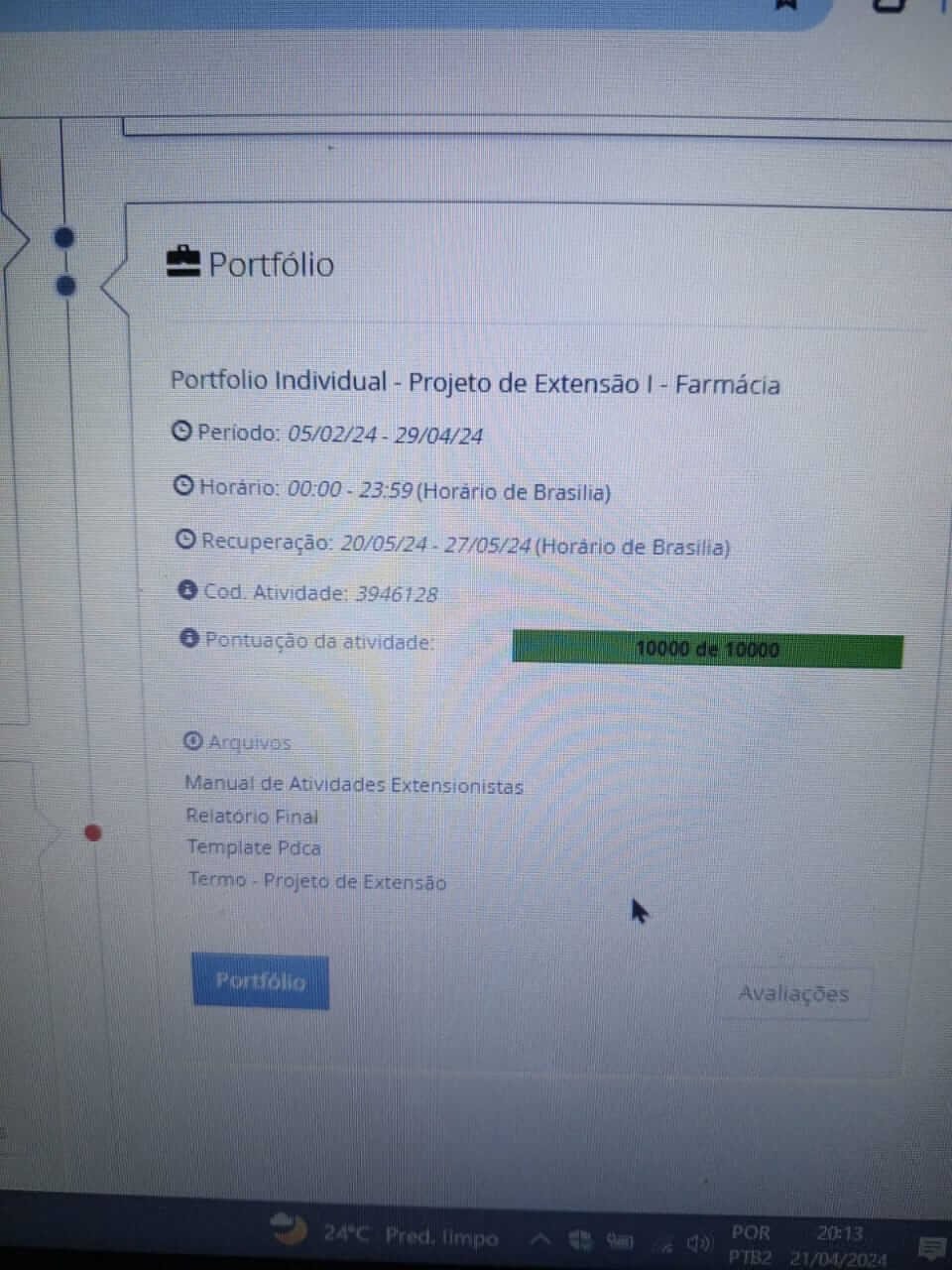



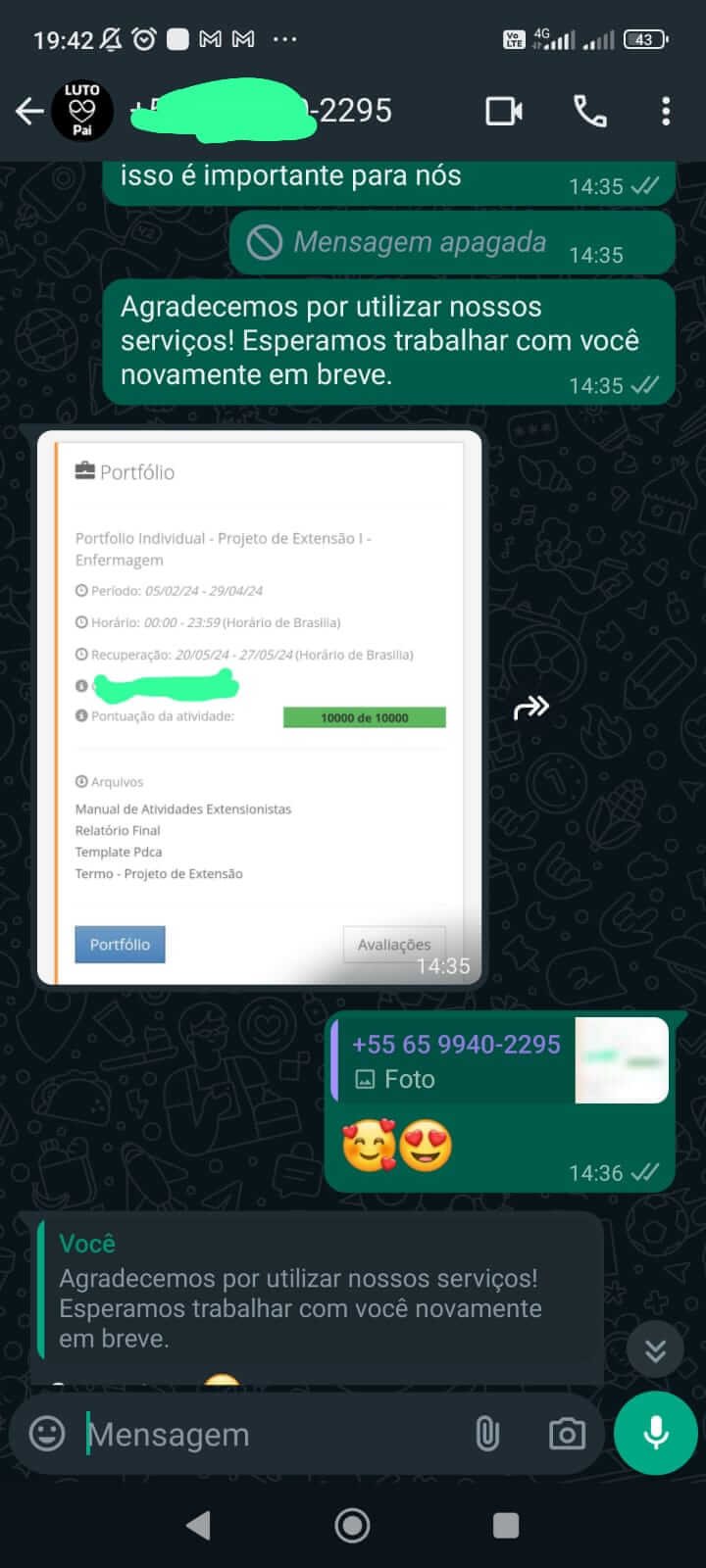

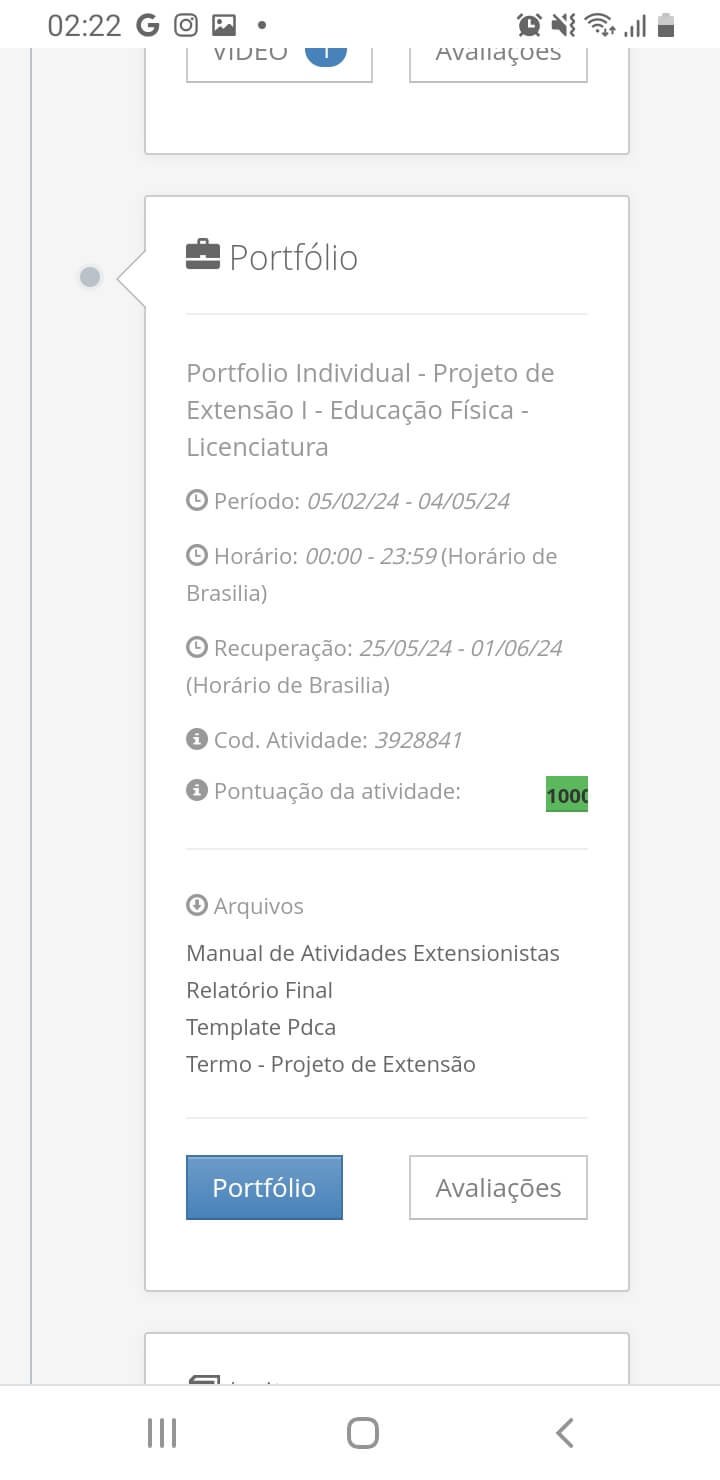



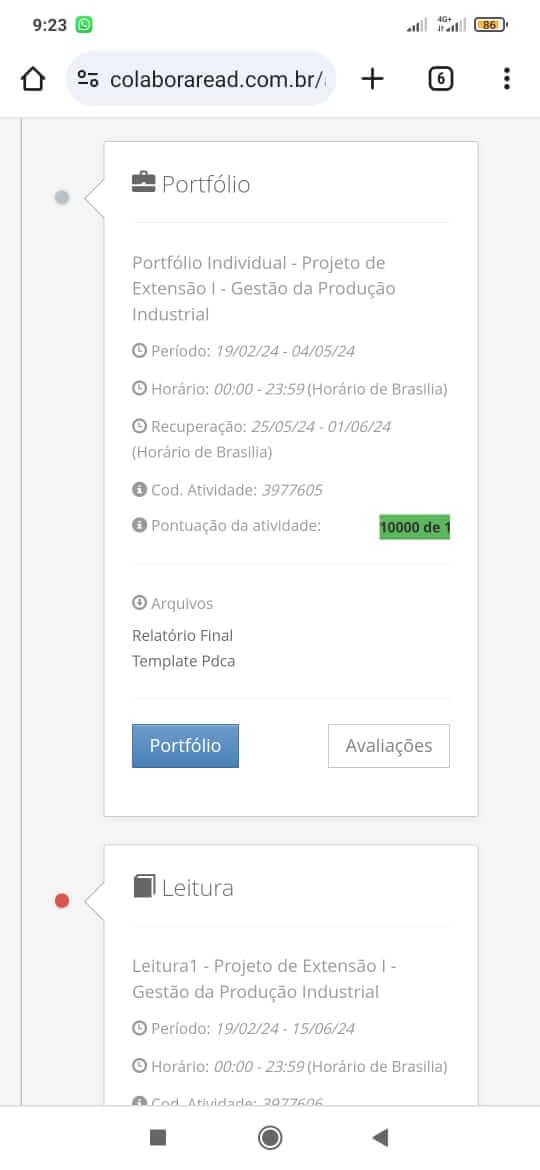


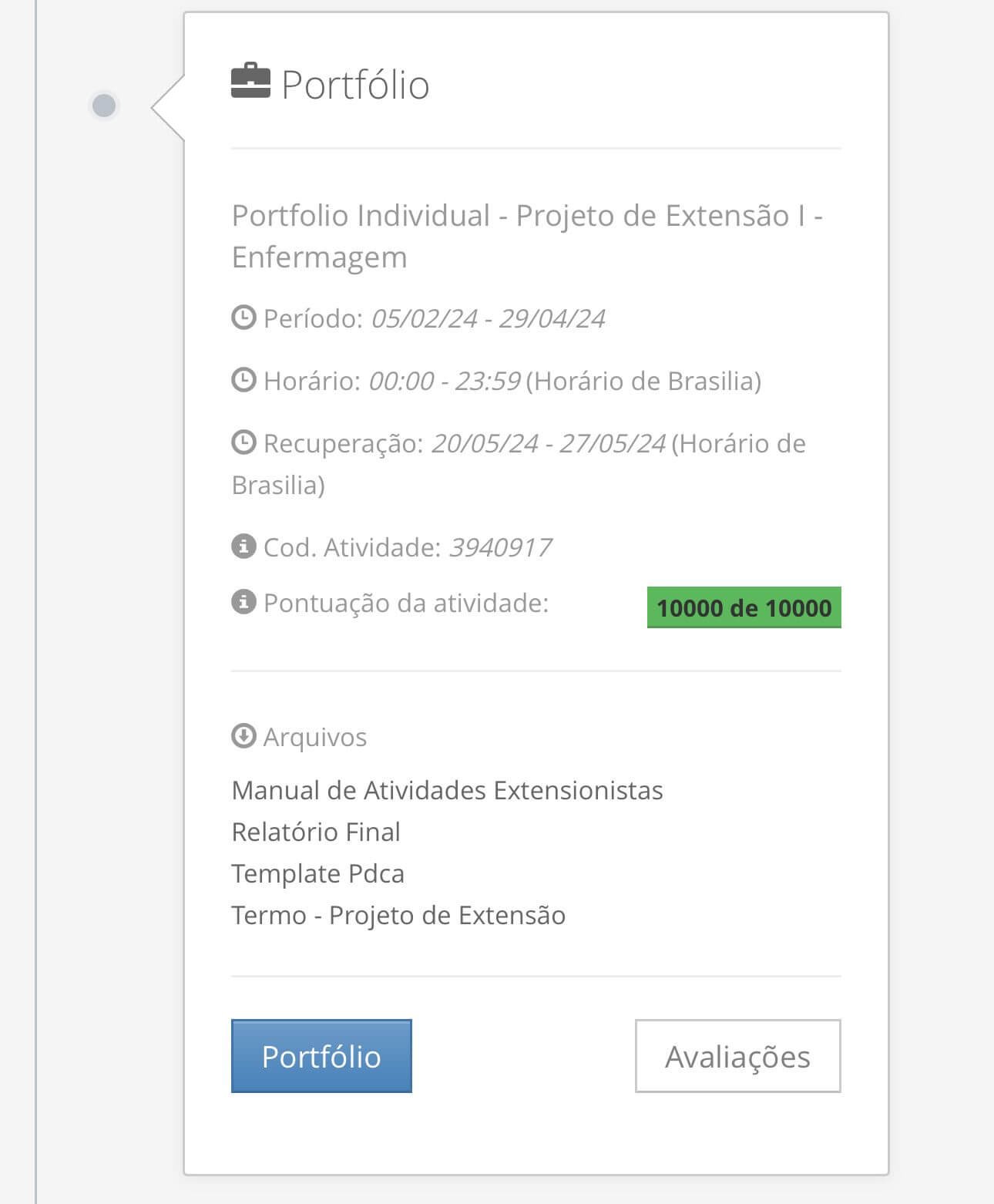



























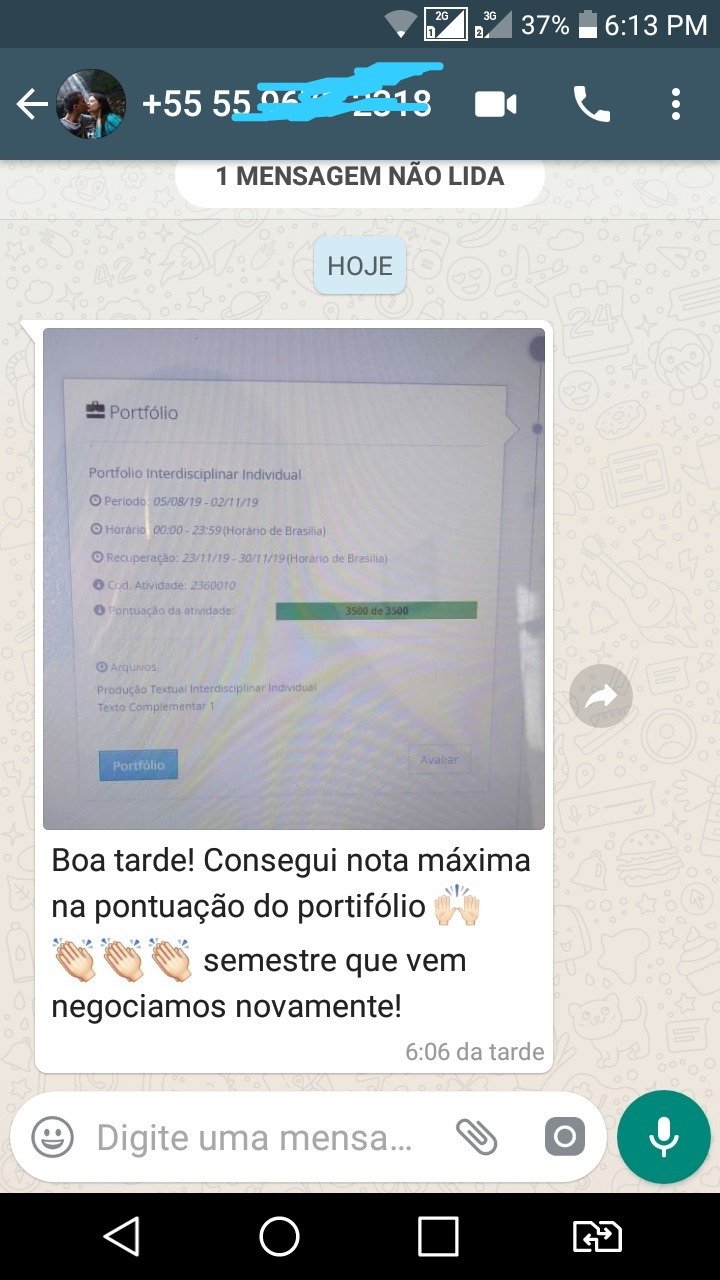


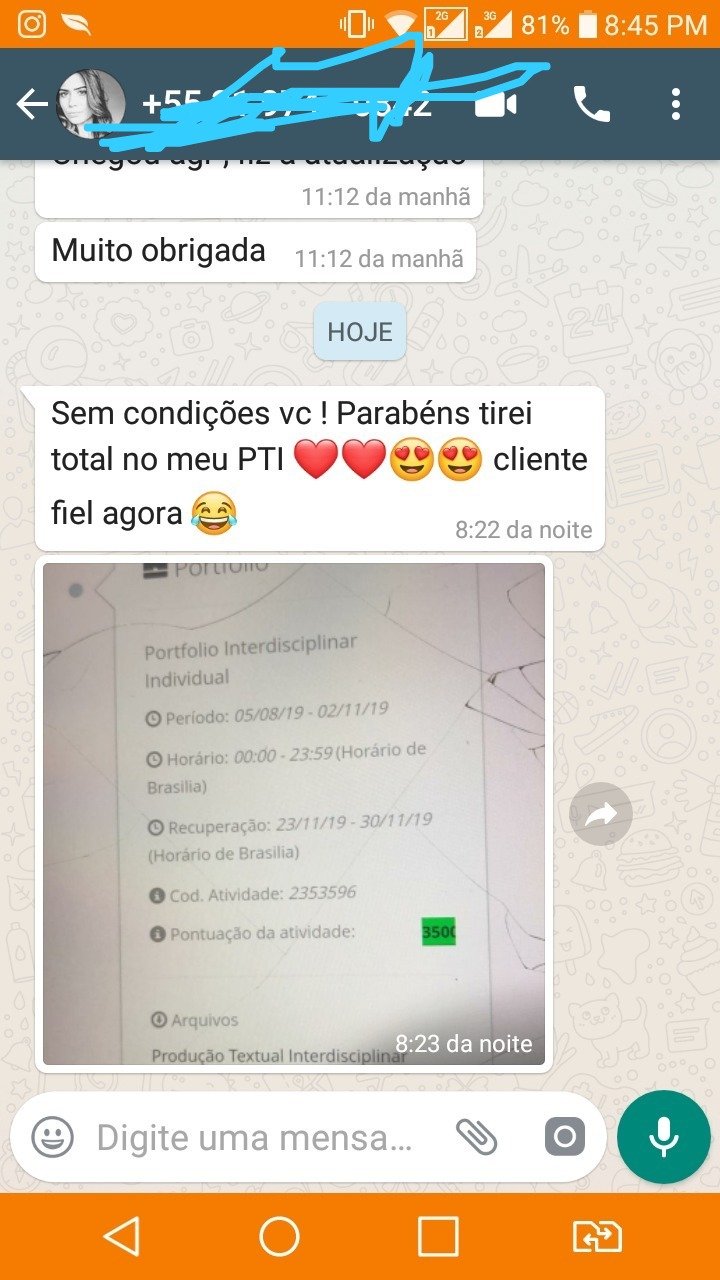
Como funciona
Portfólio padrão
- Completo, resolvido, já formatado em Word.
- Entrega imediata, porém, recomenda-se realizar algumas modificações antes de anexar no portal.
Portfólio personalizado/exclusivo
- Completo, resolvido, já formatado em Word.
- Elaborado e personalizado exclusivo para você.
- Entregamos em até 5 dias.
- Pronto para apenas anexar direto no portal.
- Encomende via WhatsApp: Abrir conversa