Using OnlyFans Stats to Predict Monthly Revenue
Most creators treat their OnlyFans dashboard like a scoreboard — they check it after the fact, feel good or bad about the numbers, and move on. But the creators who consistently grow their income treat those same numbers as a roadmap. If you know which metrics actually matter, you can stop guessing what next month will bring and start forecasting it with real confidence. It's tempting to fixate on how many subscribers you have. The number feels tangible, shareable, validating. But a creator with 800 active, engaged fans will consistently out-earn one sitting on 3,000 passives who never open a message. Subscriber count is a vanity metric until you pair it with retention data. What you actually want to watch is your monthly churn rate — the percentage of subscribers who don't renew. If you're losing 30% of your base every cycle, no amount of new sign-ups will build compounding income. Stable or declining churn is the foundation everything else sits on. Before you can predict revenue, you need to know whether your base is growing, flat, or quietly bleeding out. Once retention is under control, revenue forecasting comes down to three core figures working together: Divide your total monthly earnings by your active subscriber count. This single figure tells you more about your monetization efficiency than any other stat. If your ARPF is climbing while your subscriber count holds steady, you're doing something right — likely improving your PPV strategy or upsell cadence. If it's dropping, that's the first place to investigate before assuming you need more followers. Pay-per-view messages are where top earners make the bulk of their income. Track what percentage of your subscribers open your PPV drops and, separately, what percentage actually buy. A high open rate with a low purchase rate points to a pricing or messaging problem. A low open rate means your audience isn't engaged enough at the point of delivery — timing, frequency, or relationship-building needs work. Tools like let you monitor these patterns automatically so you're not doing the math manually every week. Recurring tip behavior and custom order volume are strong leading indicators of next month's income. Fans who tip regularly almost never churn. If you notice tip frequency declining before renewal dates, that's an early warning sign worth acting on — not a number to scroll past. You don't need a spreadsheet to do this. At the end of each month, note your active subscriber count, your projected churn based on the previous two months, and your average ARPF. Multiply your projected retained subscribers by ARPF, then add a conservative PPV estimate based on your historical purchase rate. That's your baseline. From there, factor in any planned promotions, new content drops, or traffic campaigns. This method won't give you a perfect number — nothing will — but it will give you a directional estimate that's far more useful than hoping. It also forces you to spot problems early. If your numbers suggest a flat or down month while you're planning a major push, you know in advance to adjust either your expectations or your strategy. Revenue prediction also depends on where you're operating. Fee structures, payout timing, and audience behavior vary significantly across platforms. If you're weighing your options or running accounts in parallel, understanding the structural differences is essential — a breakdown worth reading is this comparison of https://onlymonster.ai/blog/fansly-vs-onlyfans/, which covers how the two platforms differ in ways that directly affect your bottom line. The creators who get good at revenue forecasting aren't necessarily the most analytical people in the room. They're the ones who check the same metrics at the same time every week, notice when something shifts, and adjust quickly. Start small — track churn, ARPF, and PPV conversion for 60 days. By month three, you'll have a baseline that turns guesswork into a genuine growth strategy.
Why Raw Subscriber Count Lies to You
The Three Numbers That Actually Predict Income
1. Average Revenue Per Fan (ARPF)
2. PPV Open and Purchase Rate
3. Tips and Custom Content Frequency
Building a Simple Revenue Forecast
Platform Comparison Matters Too
Consistency Beats Perfection




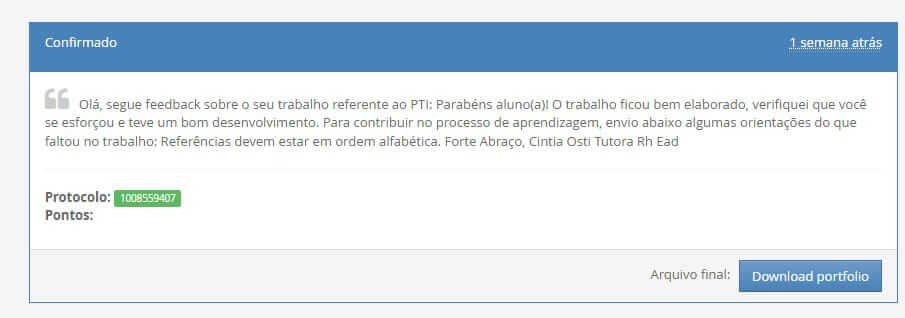
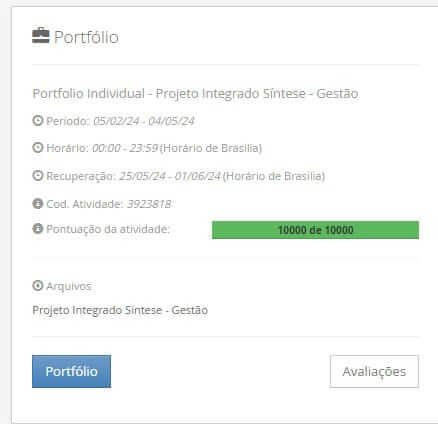





















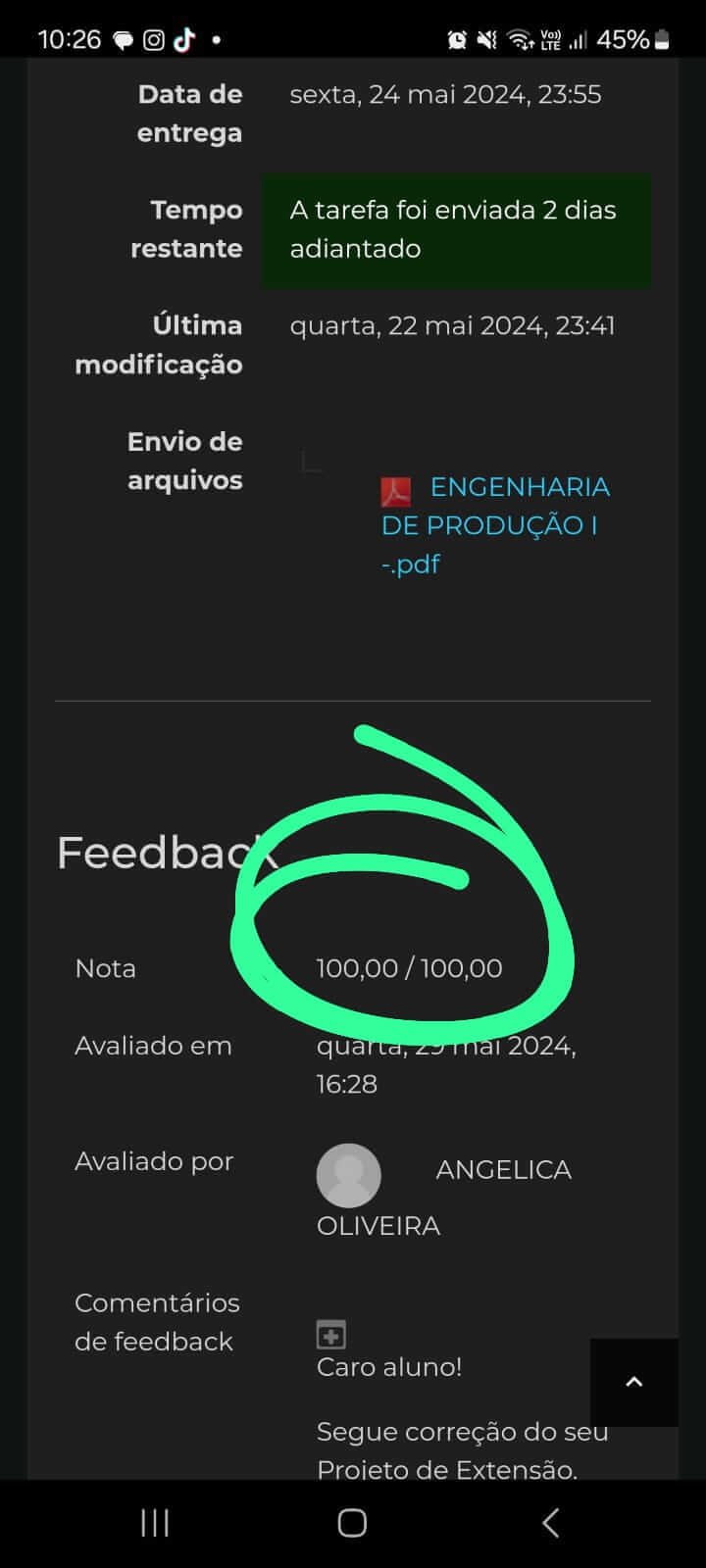







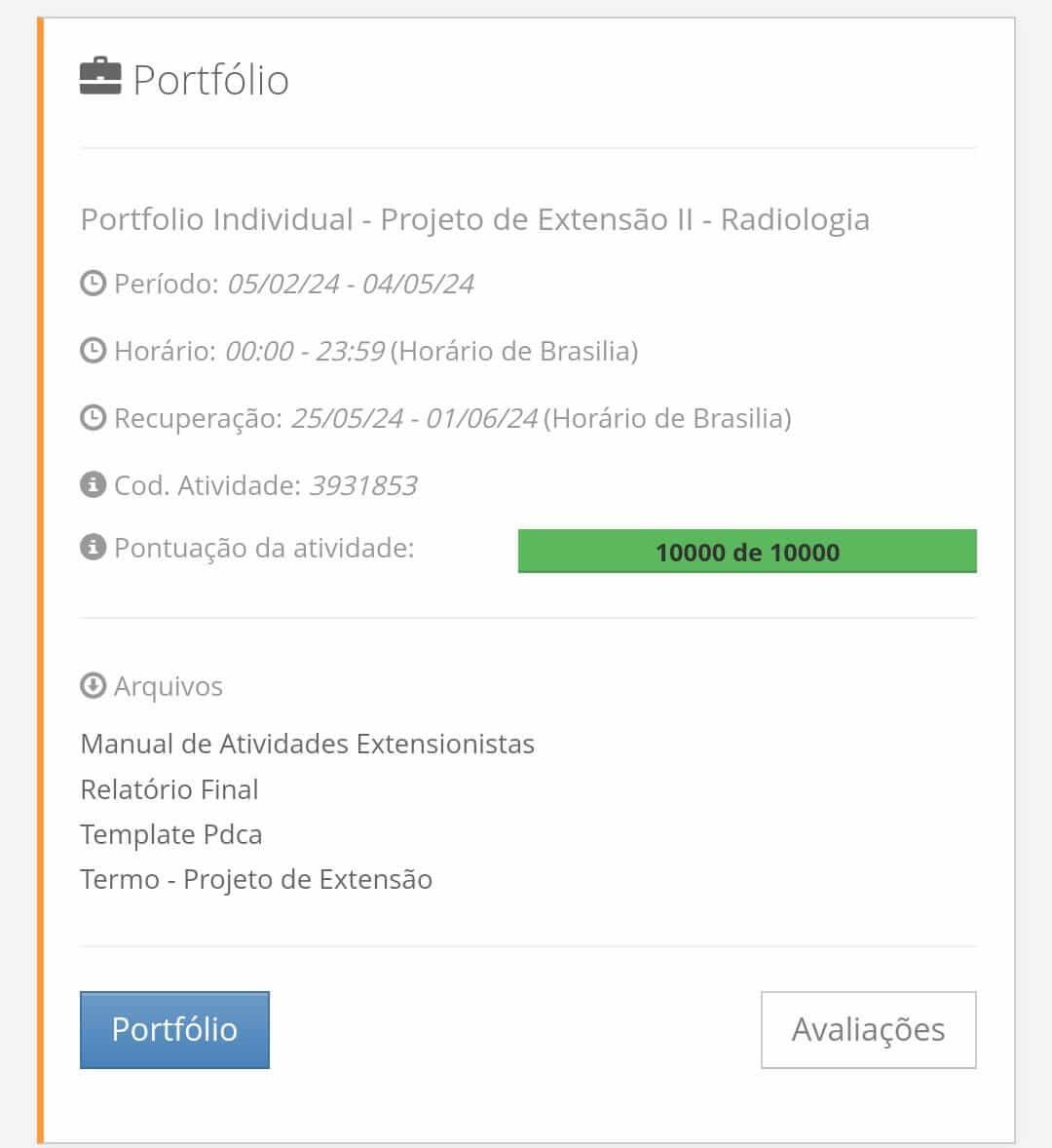






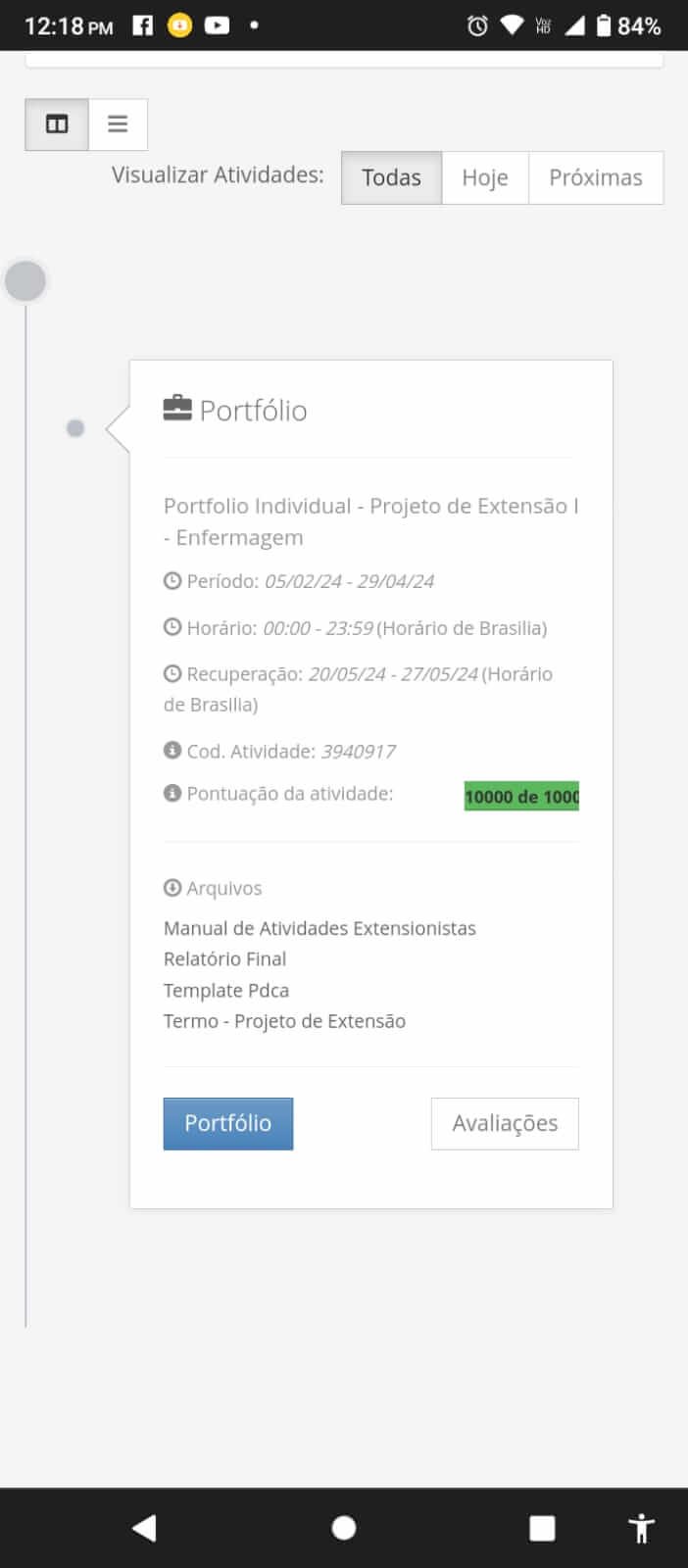













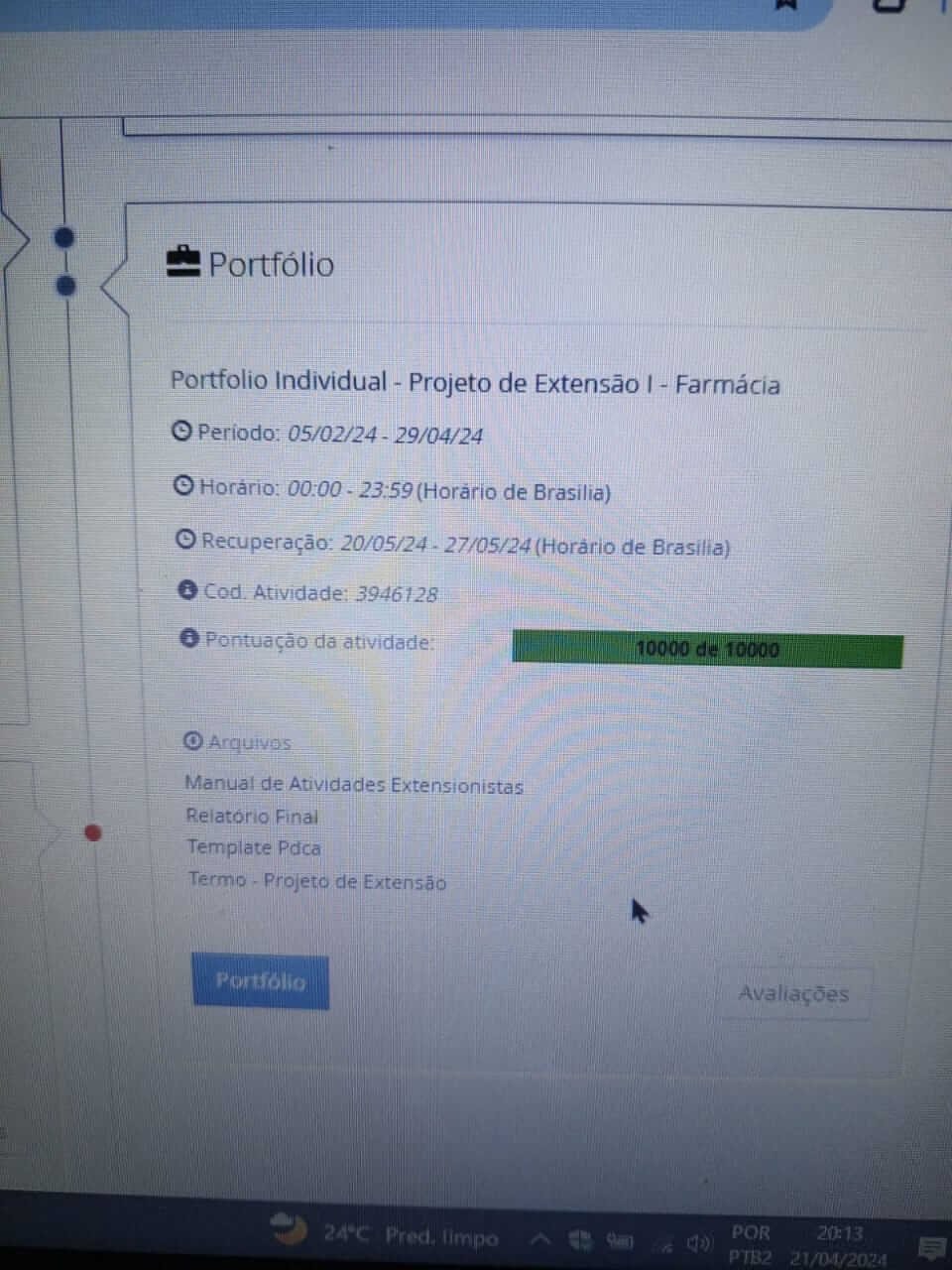
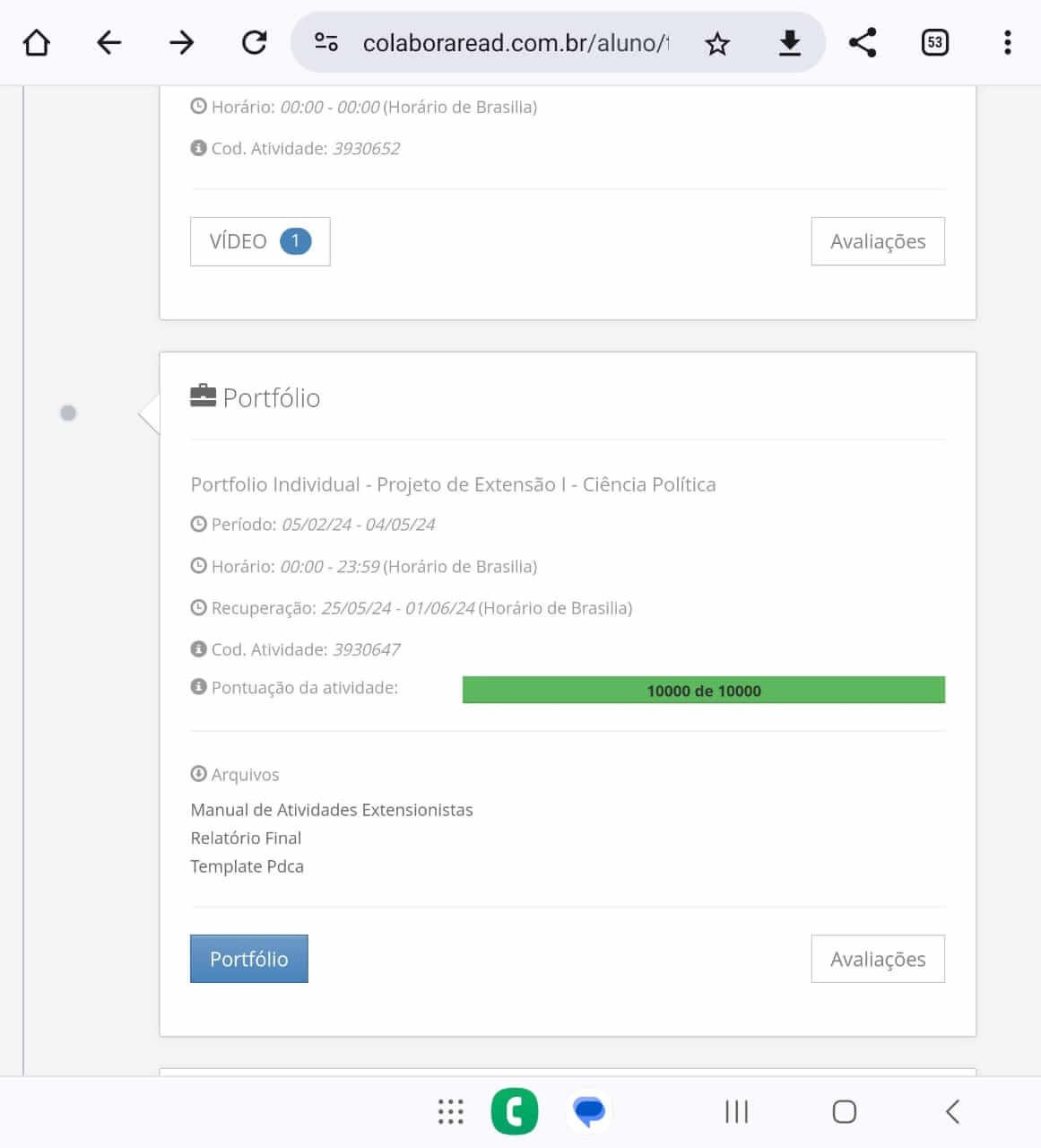







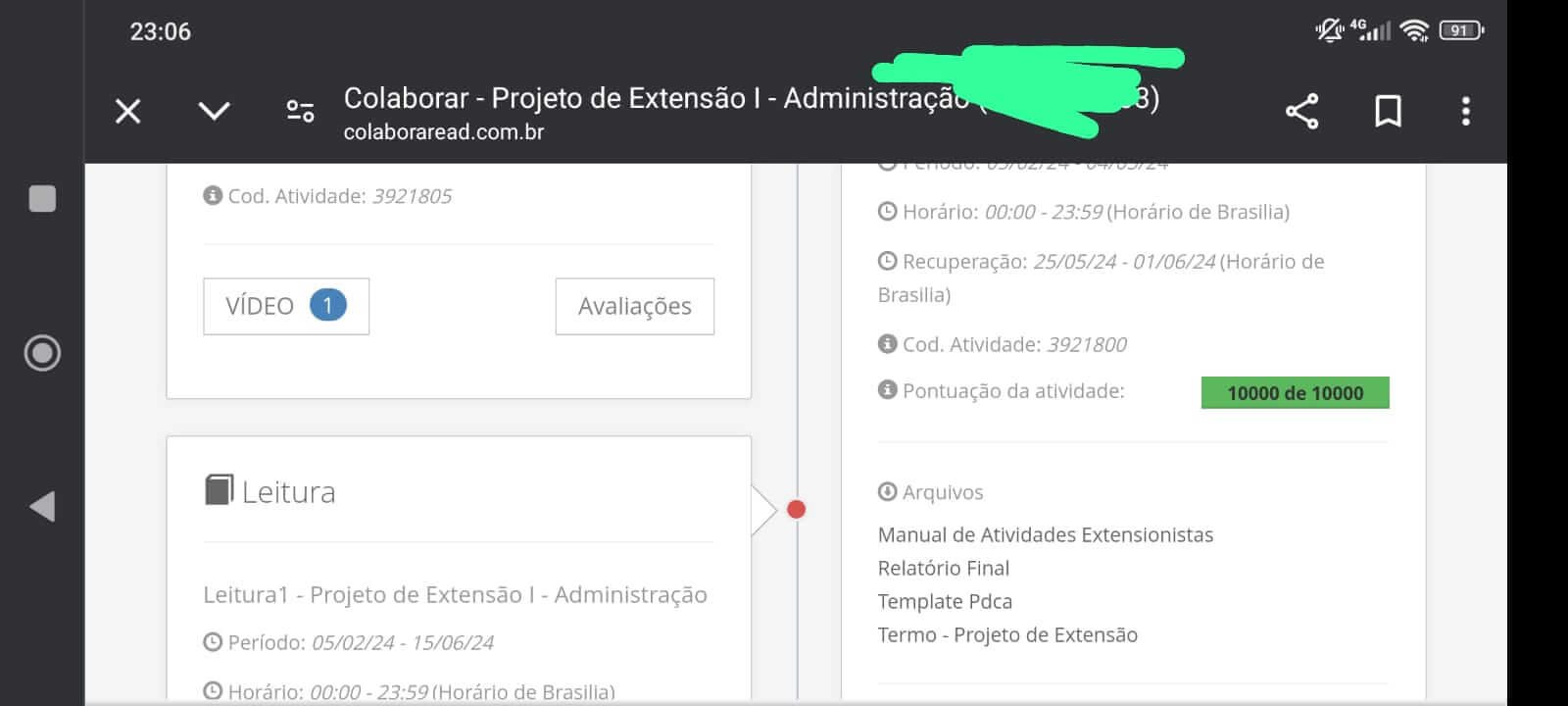


















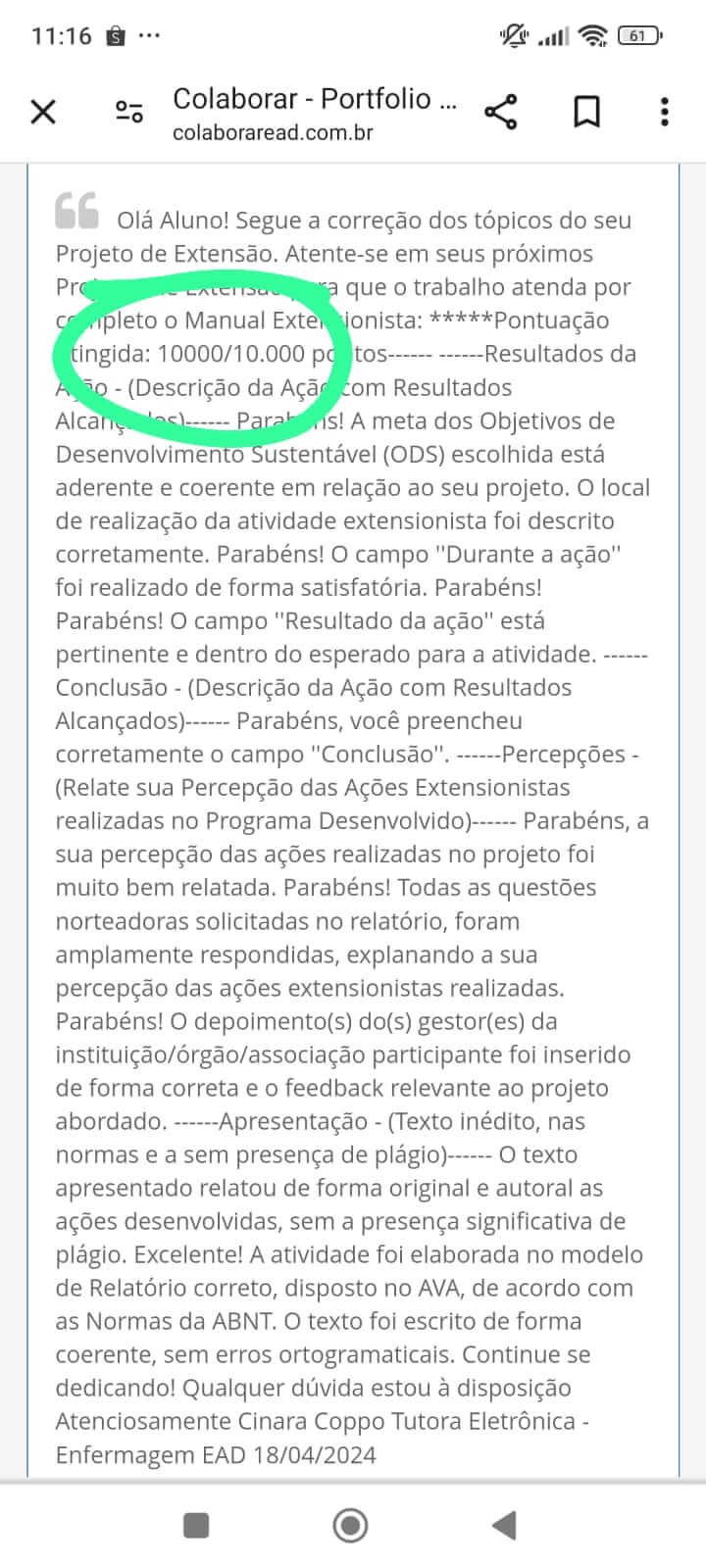



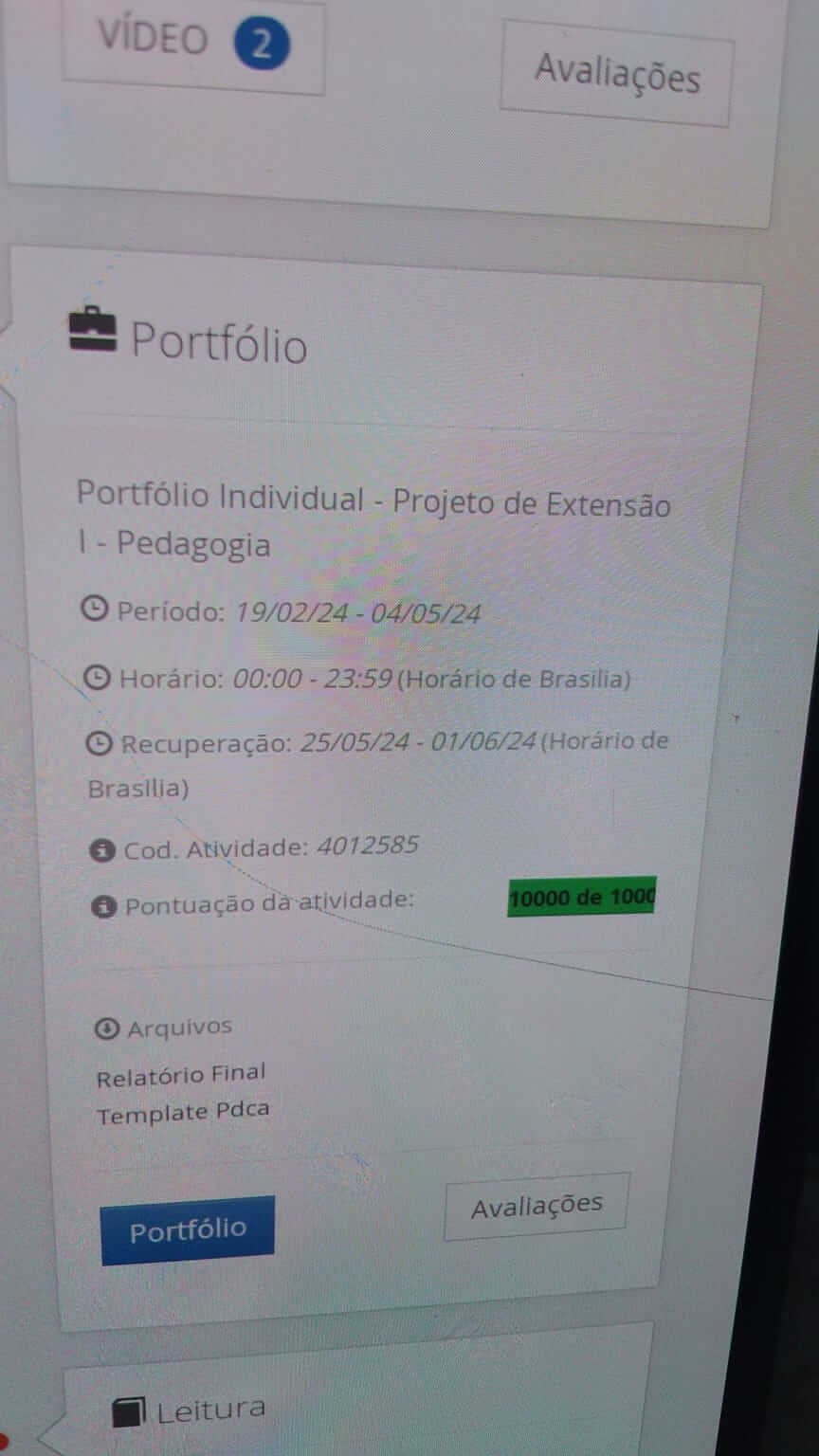


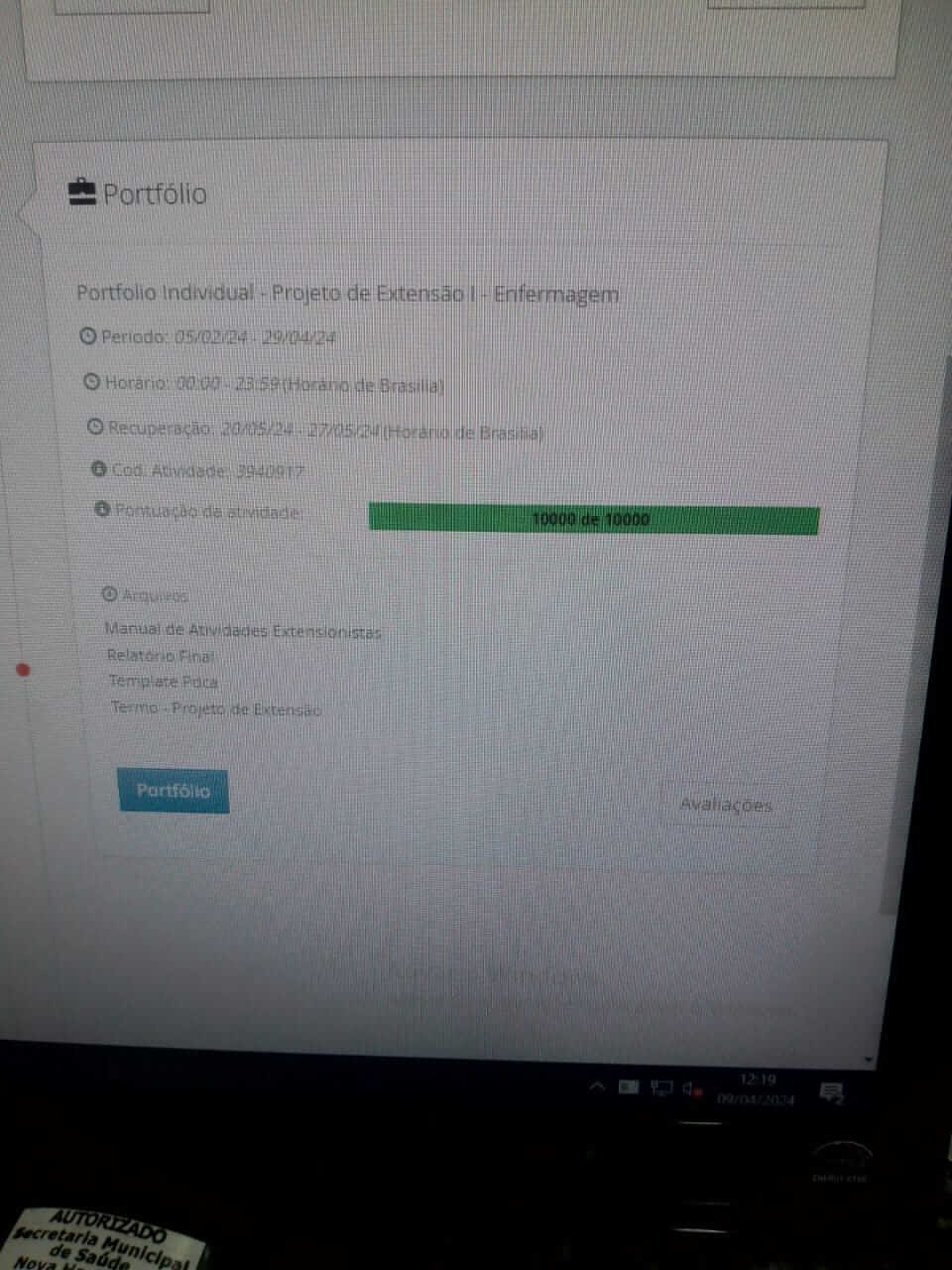




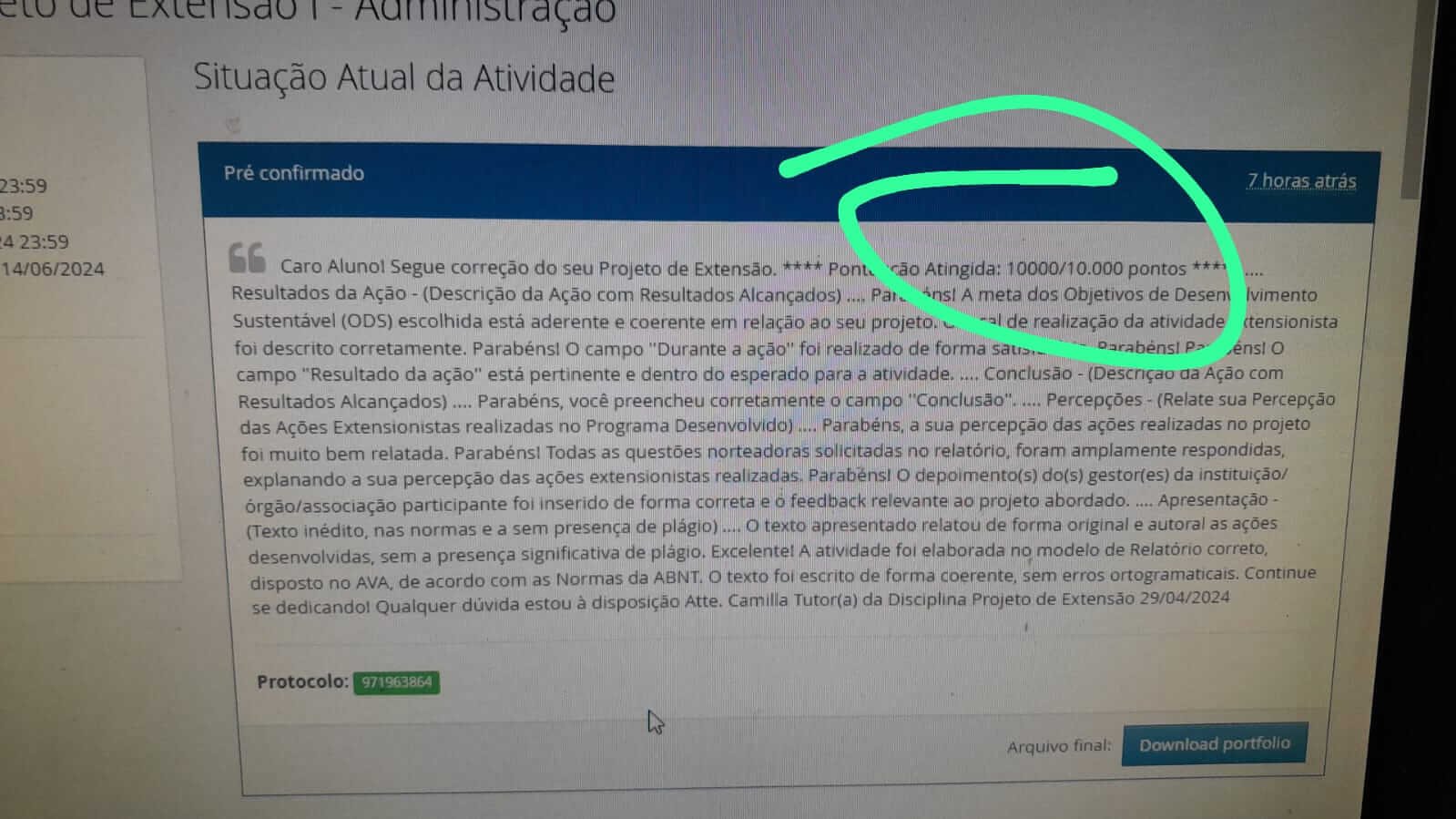











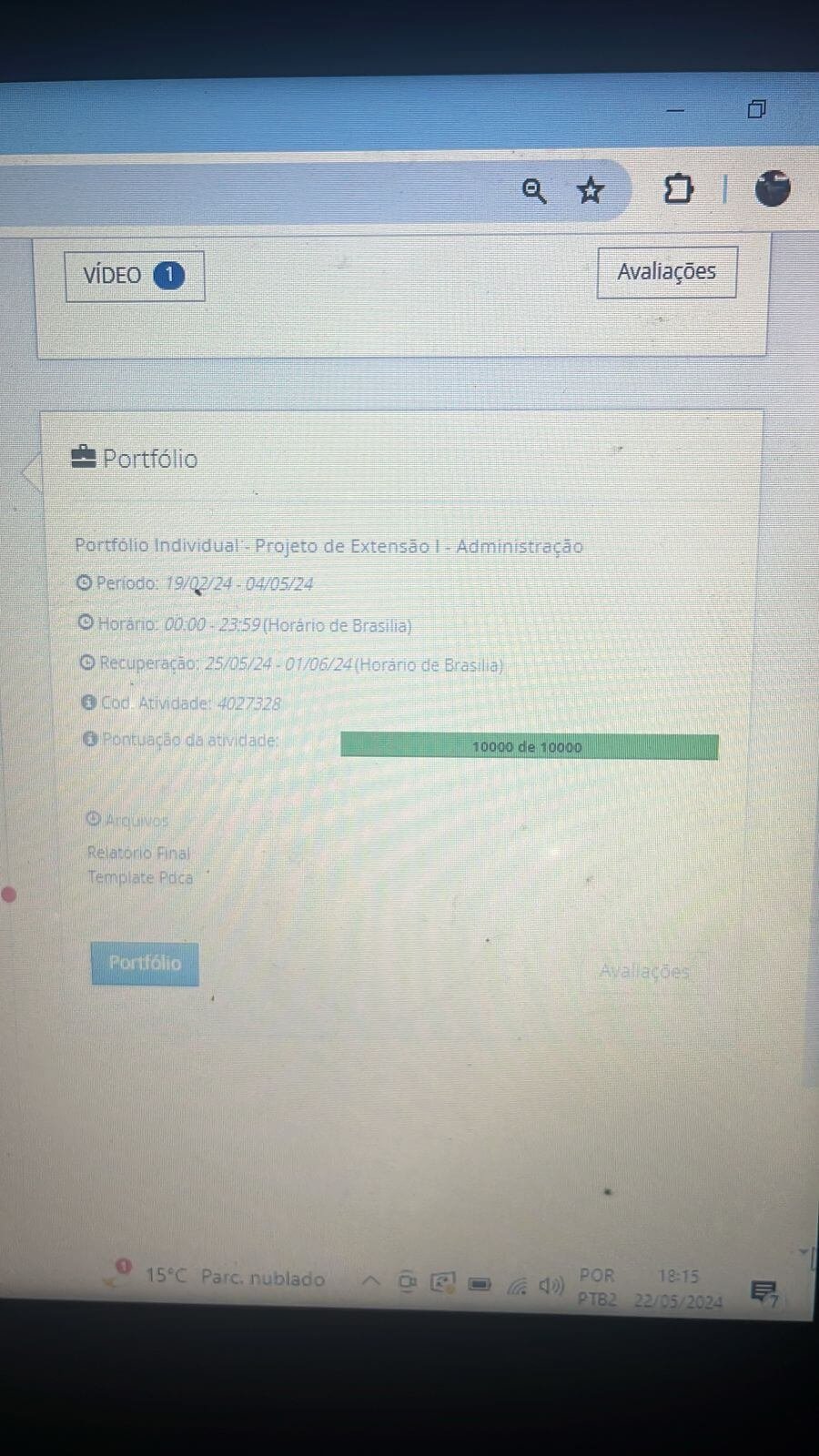


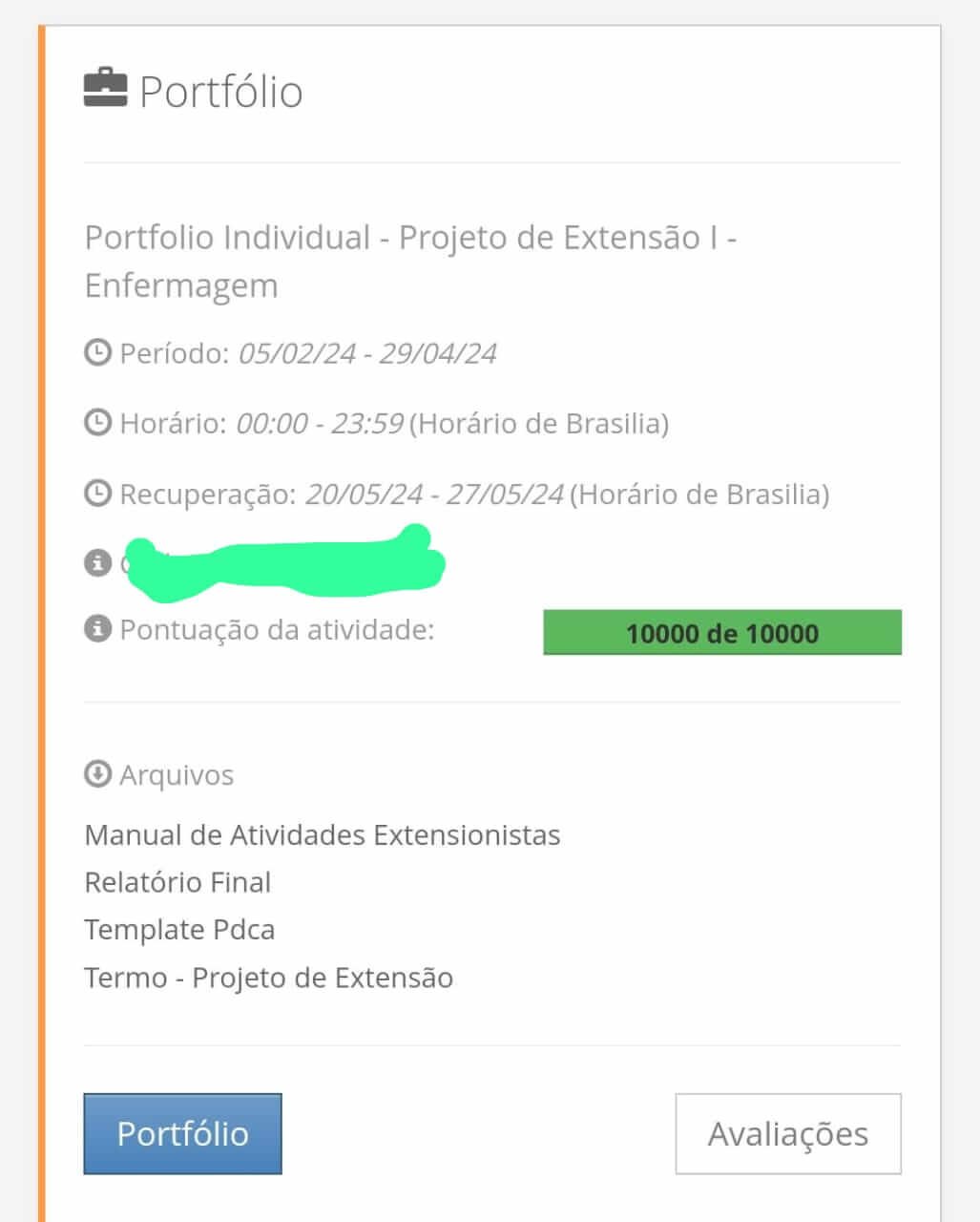







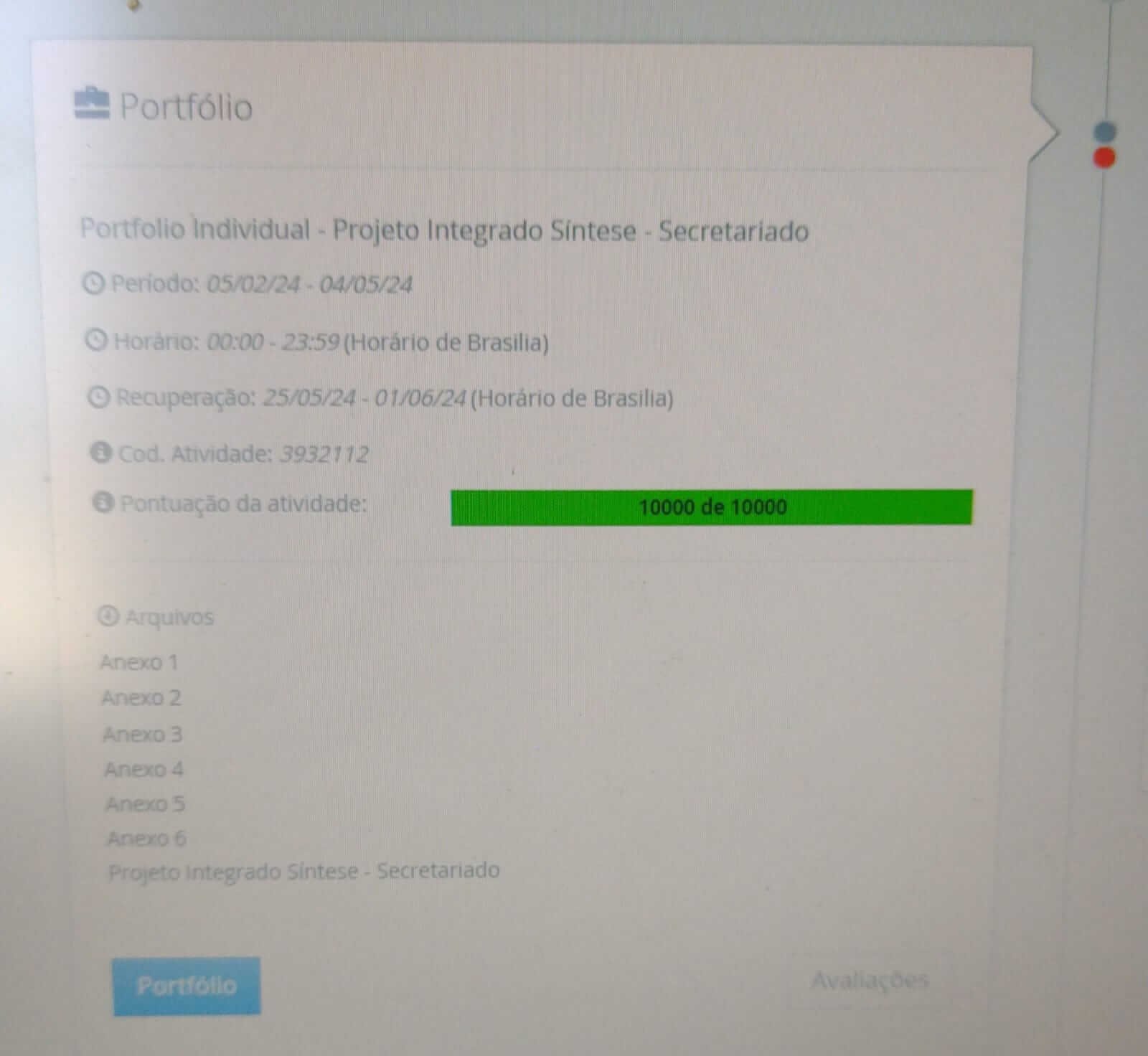











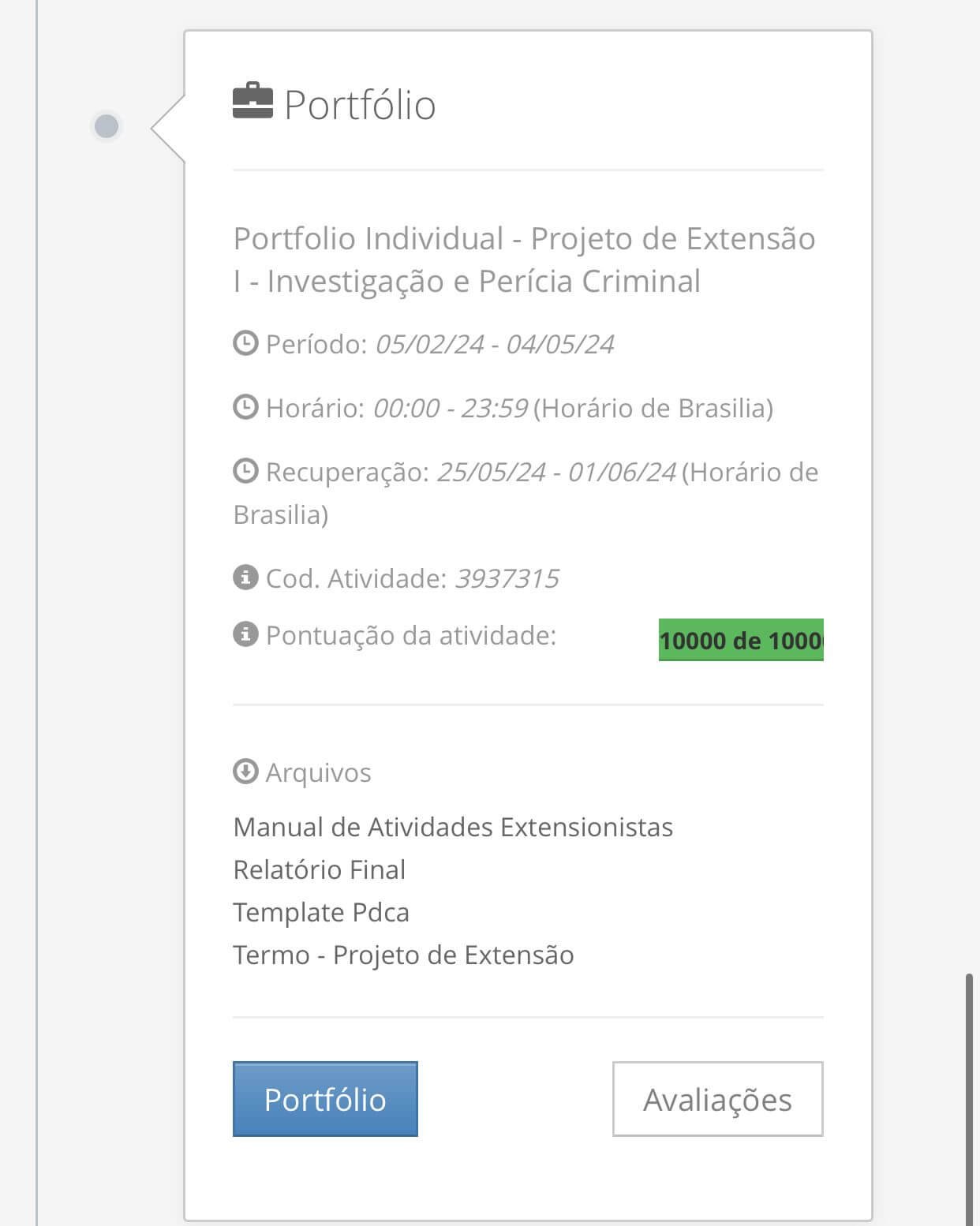








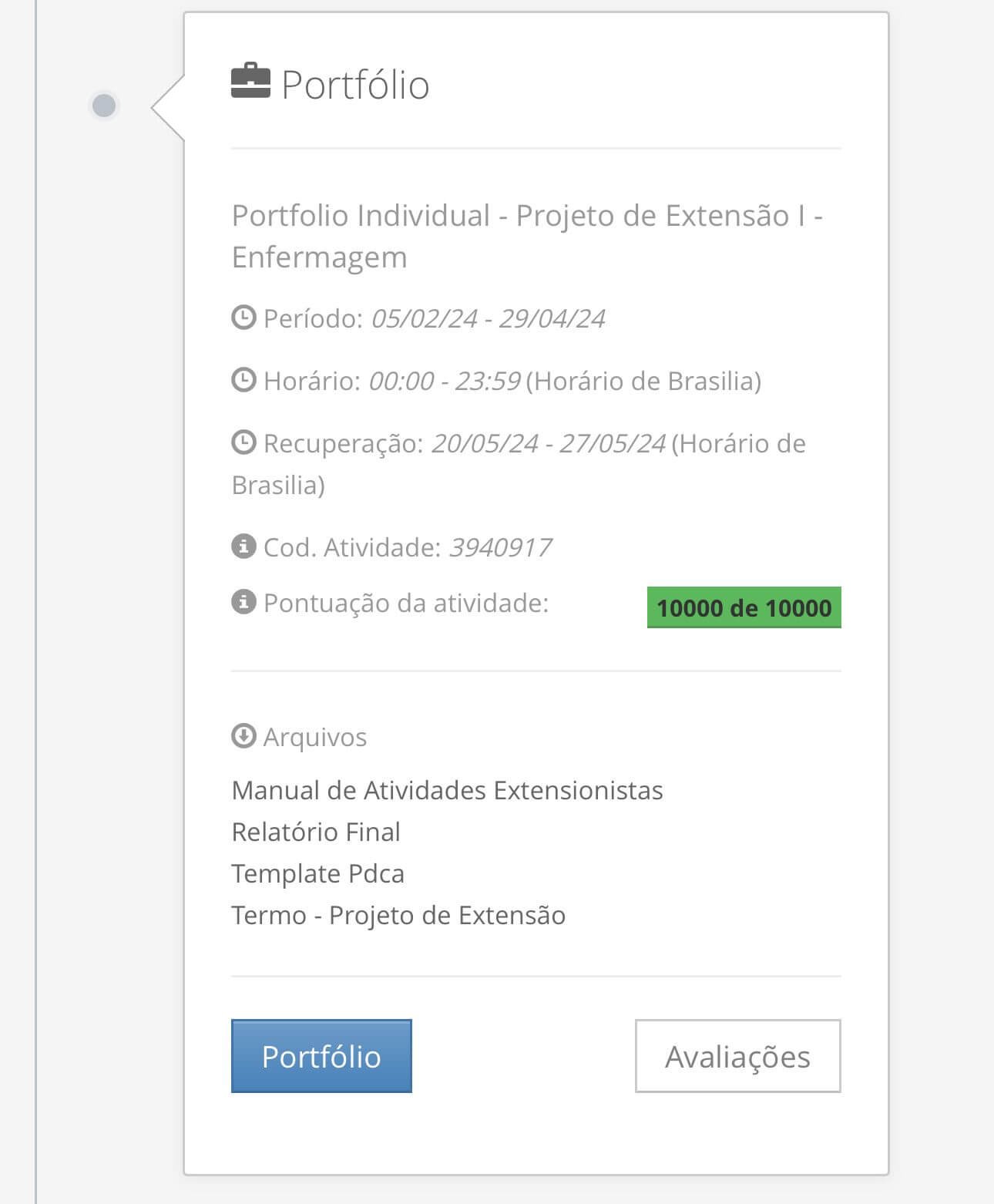








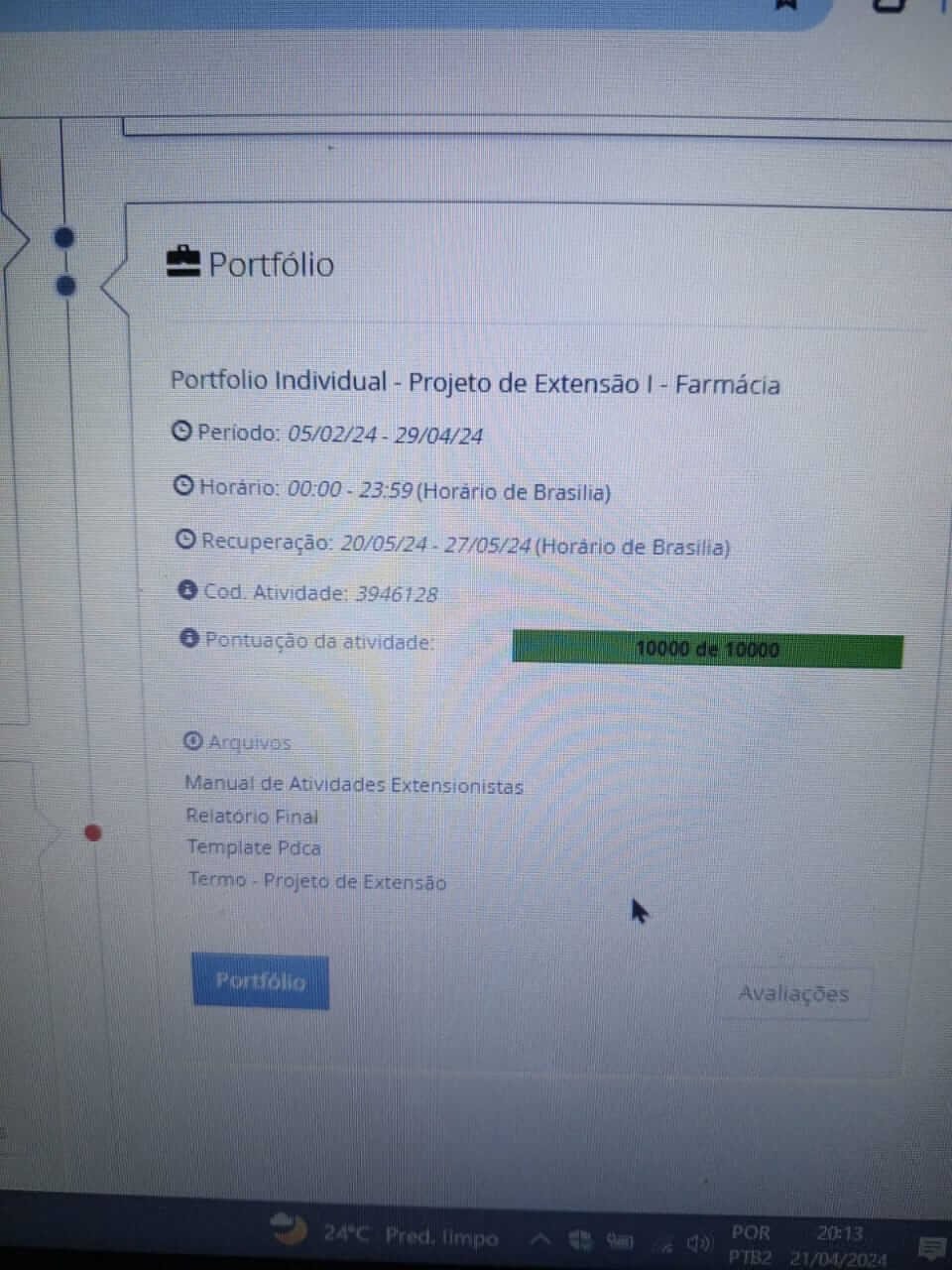







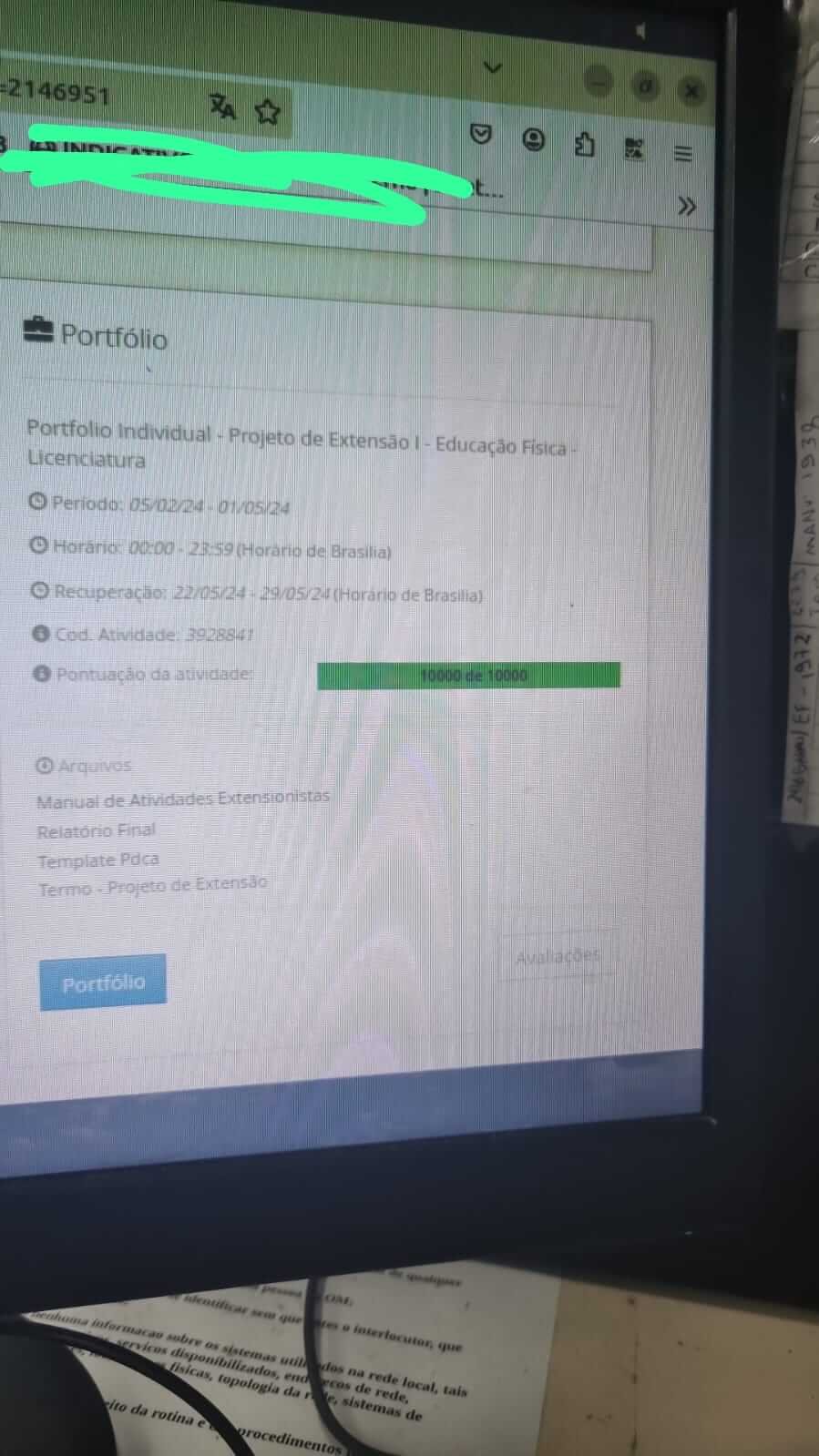









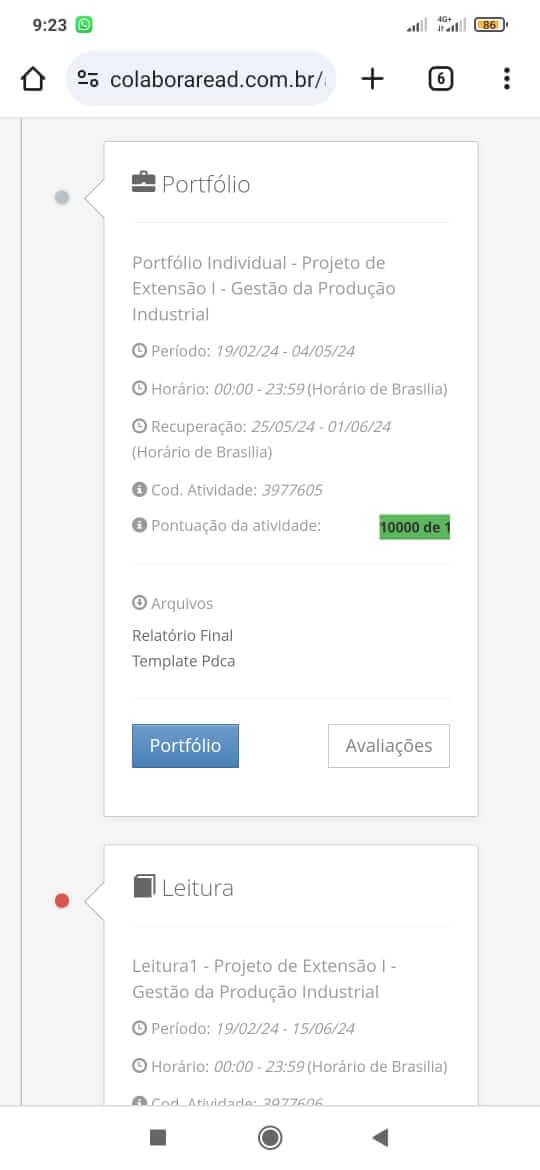


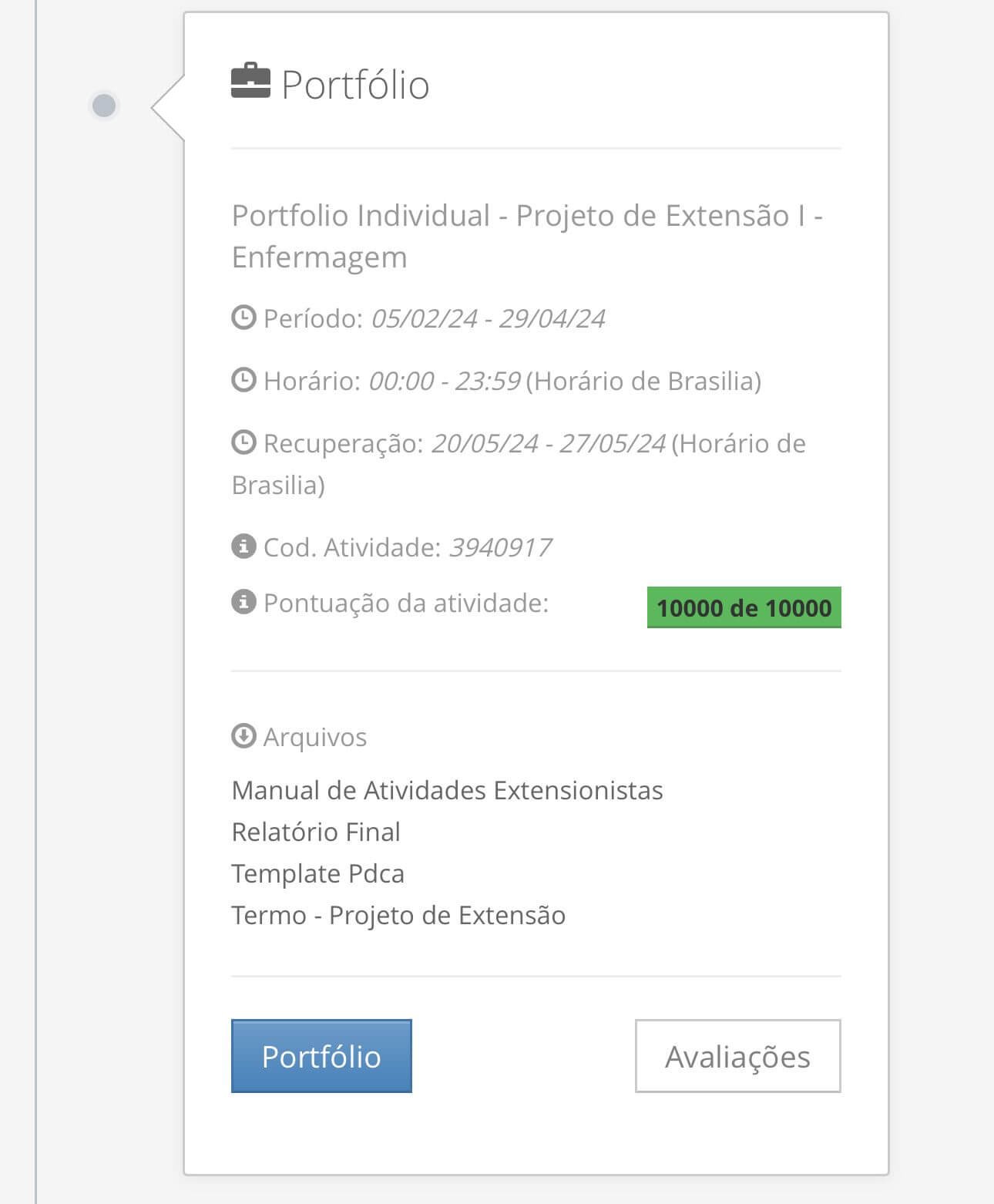







































Como funciona
Portfólio padrão
- Completo, resolvido, já formatado em Word.
- Entrega imediata, porém, recomenda-se realizar algumas modificações antes de anexar no portal.
Portfólio personalizado/exclusivo
- Completo, resolvido, já formatado em Word.
- Elaborado e personalizado exclusivo para você.
- Entregamos em até 5 dias.
- Pronto para apenas anexar direto no portal.
- Encomende via WhatsApp: Abrir conversa