Why Quiet Payout Systems Matter More Than Loud Growth
Payouts live squarely in that quiet zone. Early on, payouts feel like a solved detail. Money goes out, partners get paid, the team moves on. There’s no reason to overthink it. A simple workflow is enough, and the idea of investing in payout infrastructure feels premature. After all, the real work seems to be happening elsewhere — product, marketing, partnerships. Then growth changes the tone. What used to be a monthly task becomes weekly, then continuous. New partners arrive from different regions. Incentives become more nuanced. Revenue sharing models evolve. Suddenly, payouts aren’t just transfers anymore — they’re a system under pressure. This is often when teams realize that execution quality is what turns growth into something sustainable. That realization is where MassPay, available via https://member-masspay.io/, enters the conversation — not as a shortcut, but as a stabilizer. The real challenge with payouts at scale isn’t moving money. It’s maintaining consistency under volume. Manual processes depend on attention and memory. Fragmented tools depend on coordination. Both tend to fail quietly, introducing small mismatches that grow into larger problems over time. A delayed payment here. A confused partner there. A finance team spending hours reconciling numbers that should already make sense. None of it feels catastrophic, but together it creates friction that slows decision-making and erodes confidence. What changes with a dedicated payout platform is not just speed or automation. It’s predictability. When payouts are centralized and structured, they stop being a source of uncertainty. Teams no longer ask whether payouts ran correctly; they know. Planning becomes calmer because execution behaves consistently. Forecasts become more meaningful because fewer adjustments are needed after the fact. This consistency has a subtle but powerful effect on partner relationships. People rarely praise a platform for paying correctly — they expect it. But they remember immediately when payouts feel unreliable. Over time, reliability becomes a quiet differentiator. Partners gravitate toward platforms where money simply arrives as expected, cycle after cycle. There’s also an internal shift that often goes unnoticed until it happens. Teams stop bracing for payout days. Support tickets drop. Finance regains time for analysis instead of investigation. Operations move from reactive fixes to deliberate planning. MassPay fits naturally into this phase of maturity. It doesn’t try to redefine how platforms think about money. It reinforces a simple idea: payouts should be boring. They should behave the same way every time, regardless of volume or geography. As platforms expand globally, that sameness becomes increasingly valuable. Different regions bring different expectations, currencies, and operational quirks. Without a unified system, complexity multiplies. With one, growth flows through a stable channel instead of creating new points of failure. Many platforms only address payout infrastructure after friction becomes visible. At that point, the transition feels urgent and disruptive. The platforms that scale more smoothly are usually the ones that invest earlier, when change is still optional rather than forced. In the long run, the difference between fast growth and durable growth often comes down to these quiet decisions. Loud wins attract attention. Quiet systems determine longevity. Payouts are one of those systems. And when they work exactly as intended, nobody notices. Which is precisely how you know they’re doing their job.
Growth stories are noisy by nature. They celebrate traction, new markets, record months, ambitious roadmaps. Operations, by contrast, are quiet. When they work, nobody notices. When they fail, they overshadow everything else.




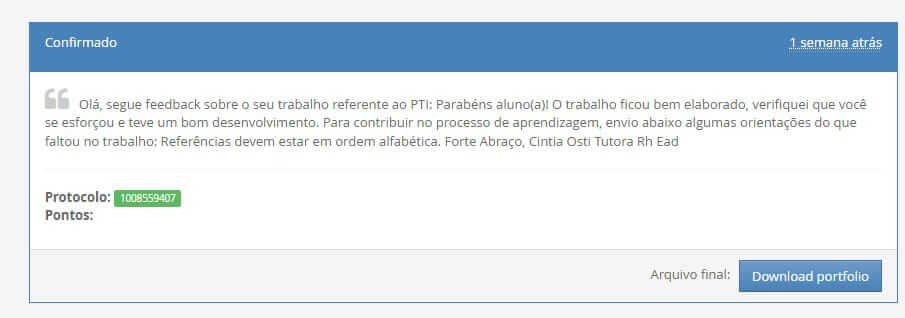
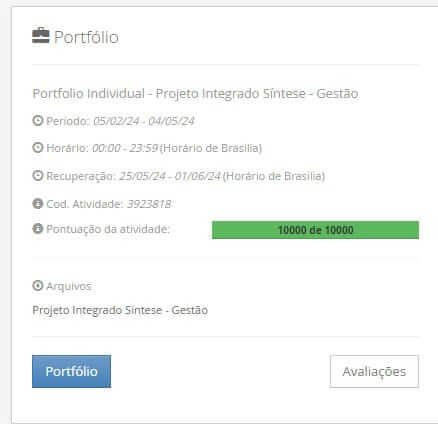













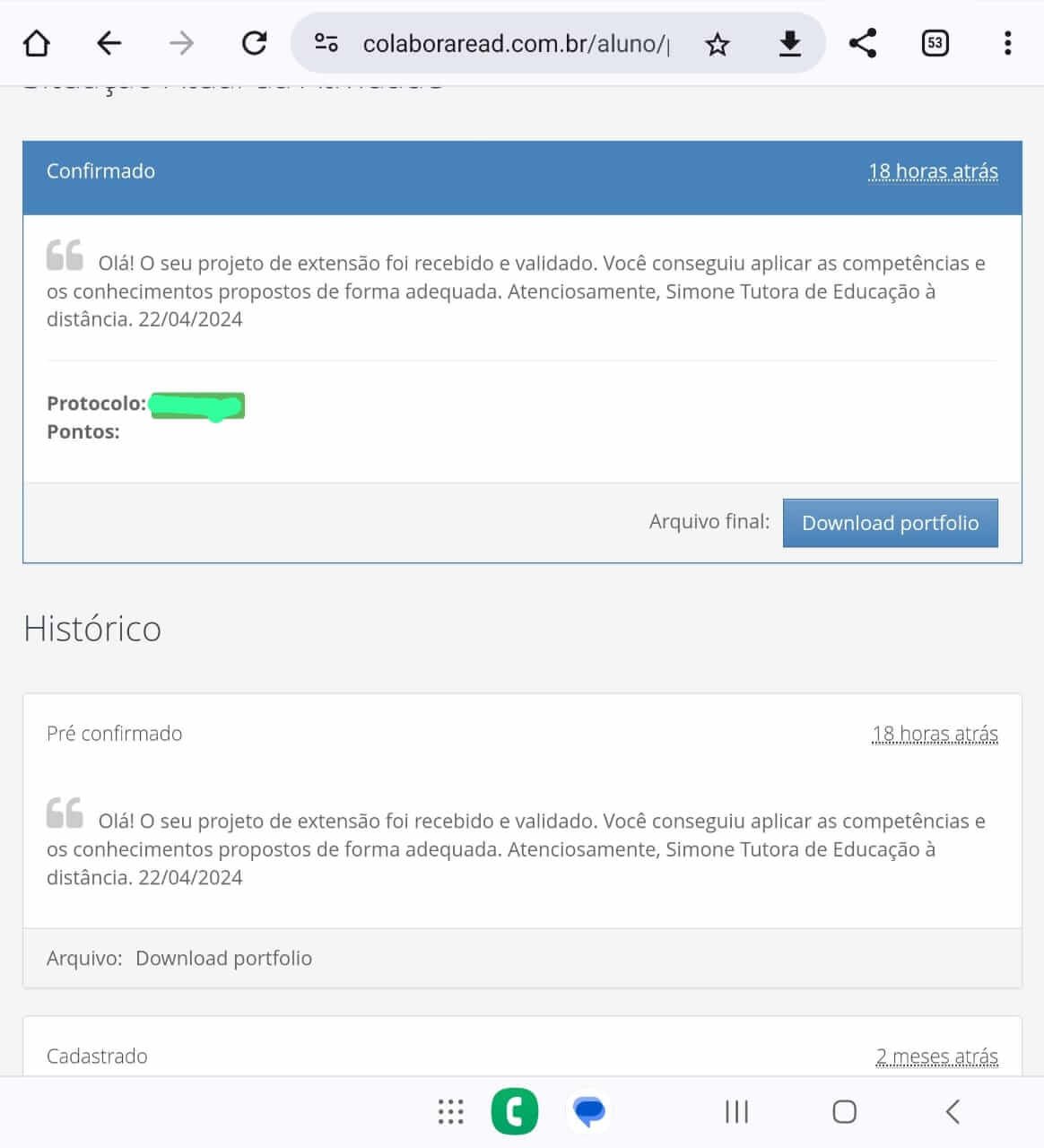






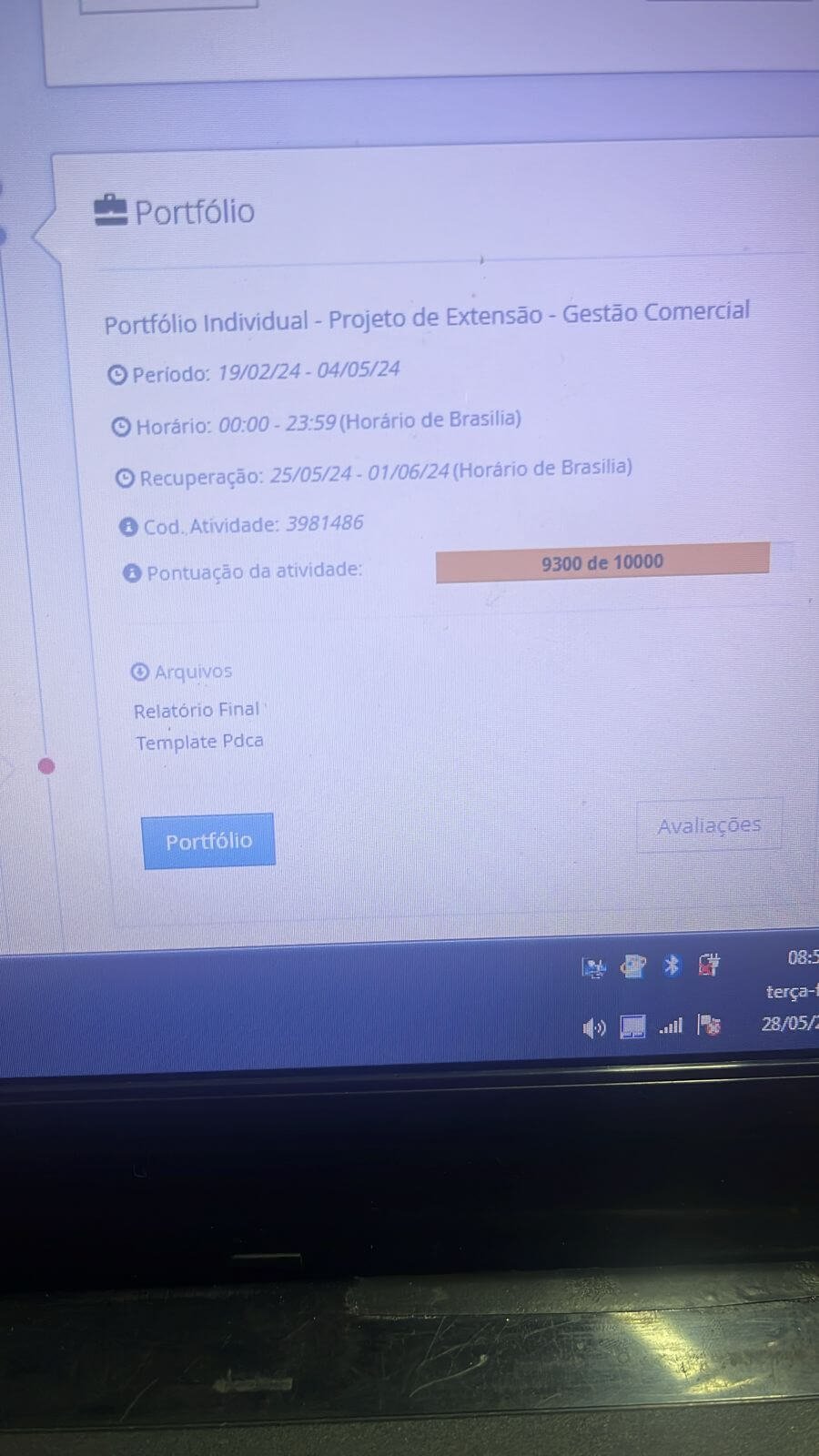
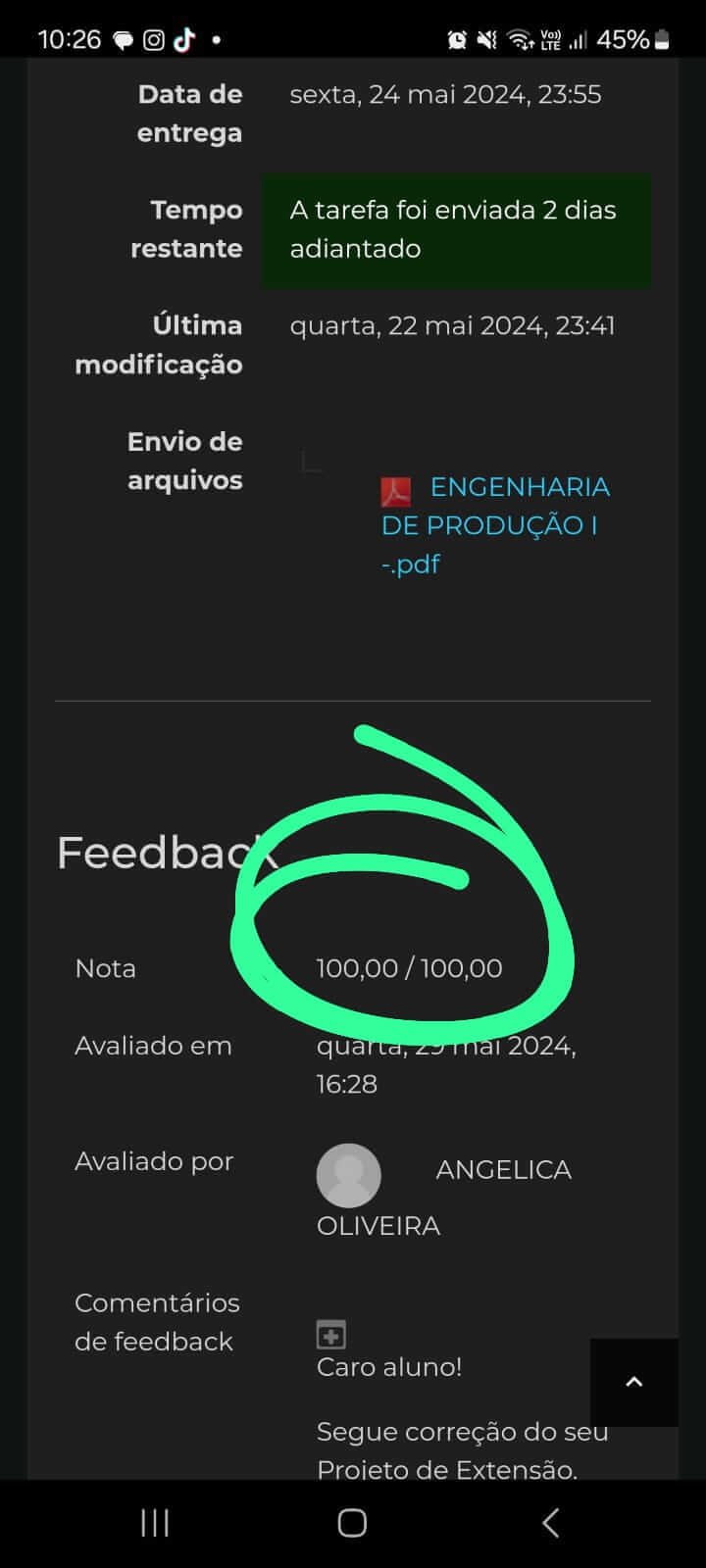







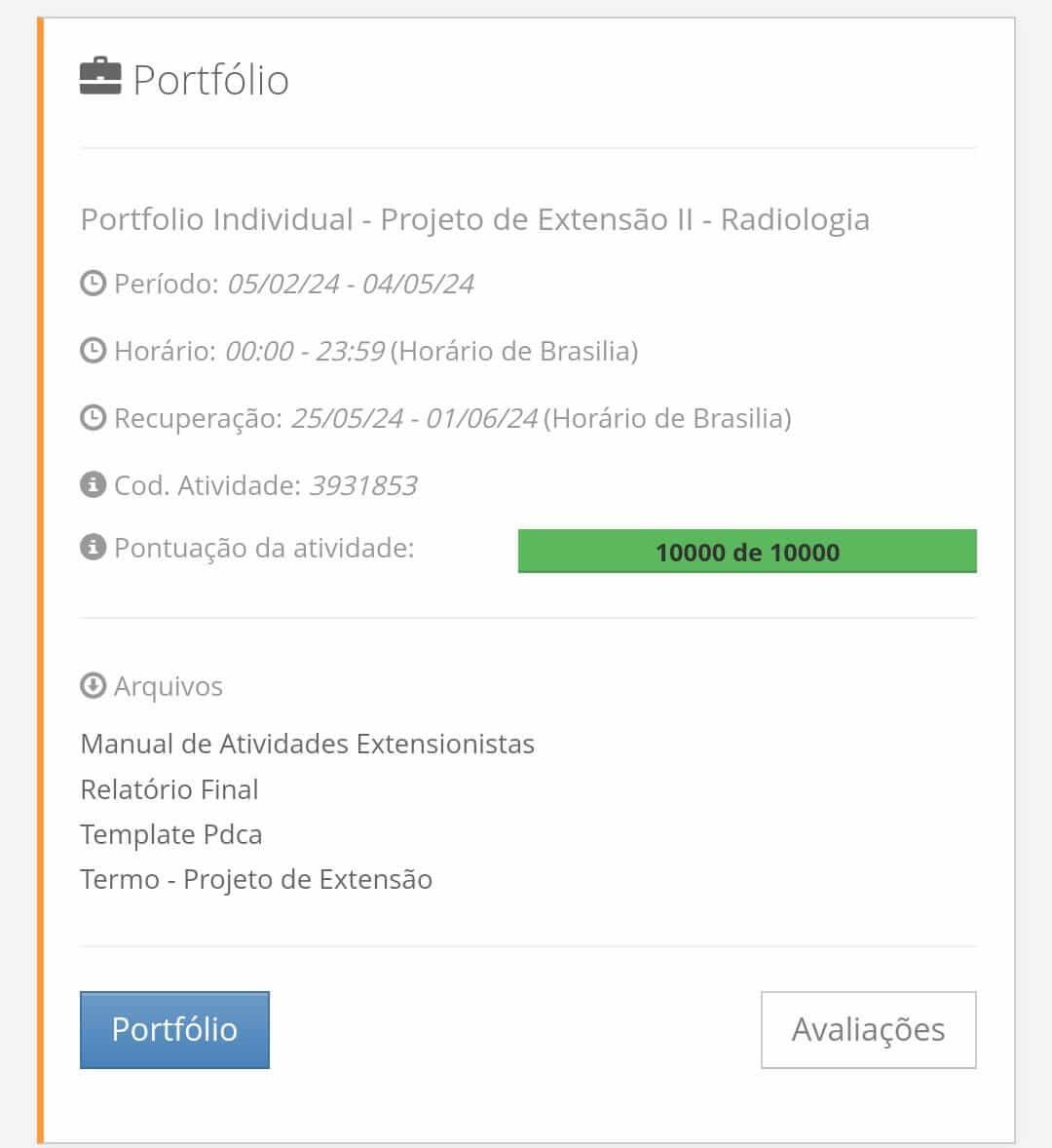






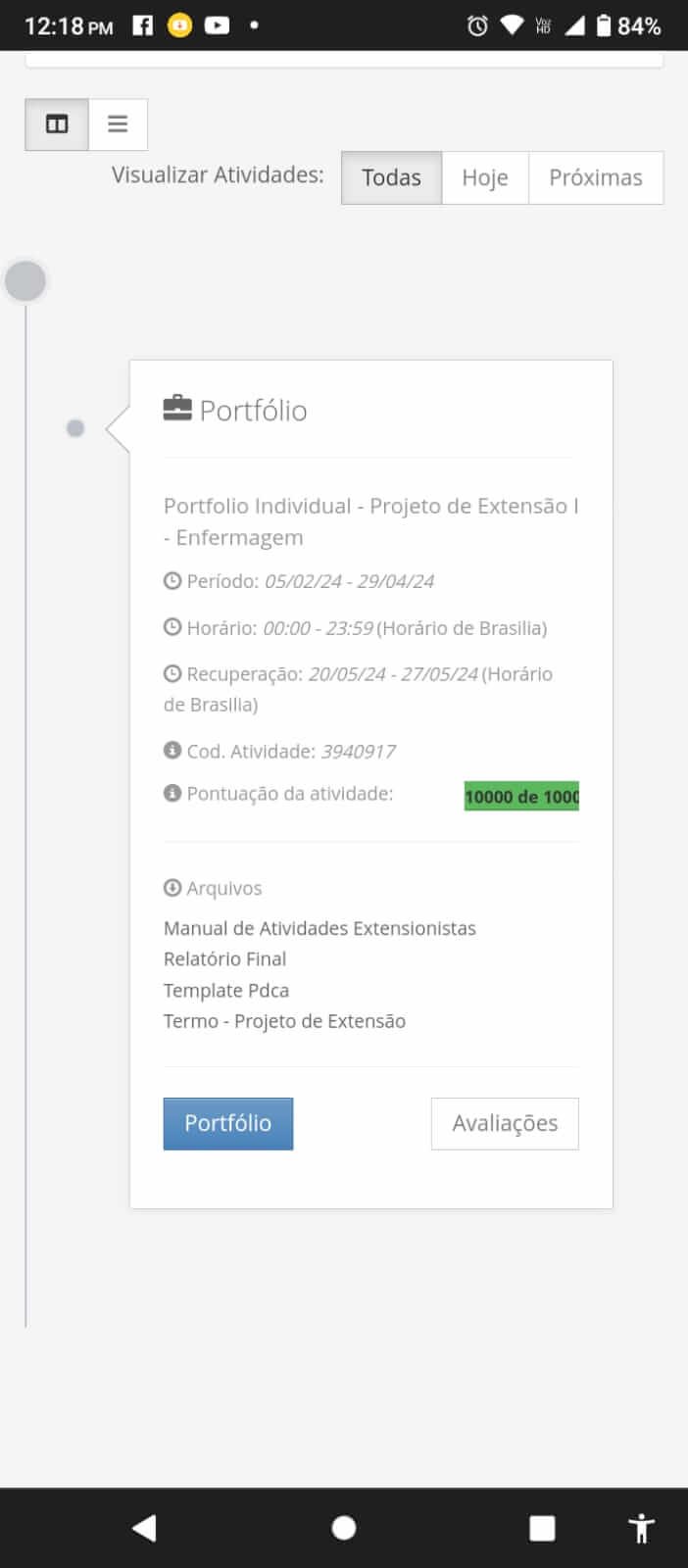













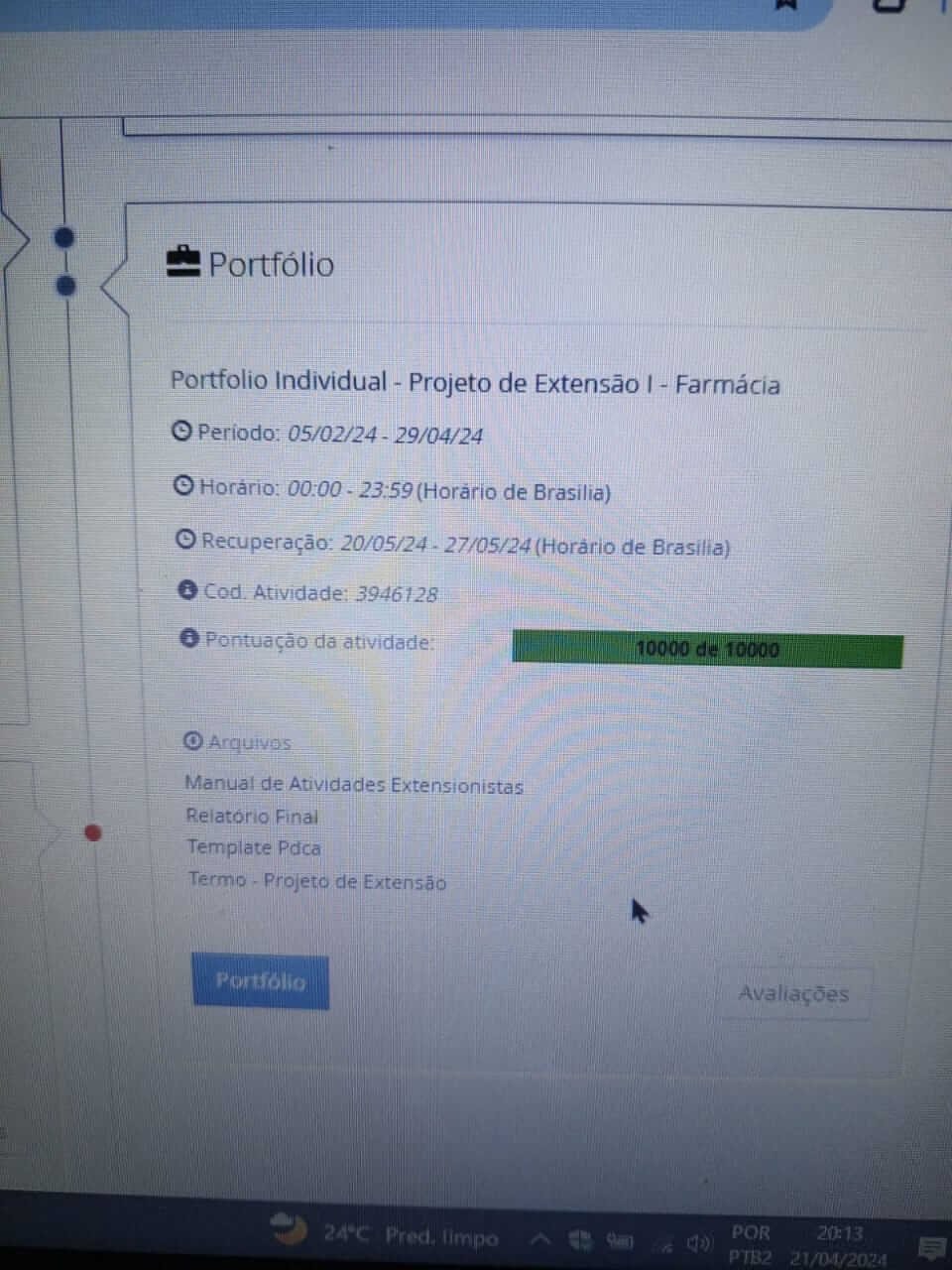
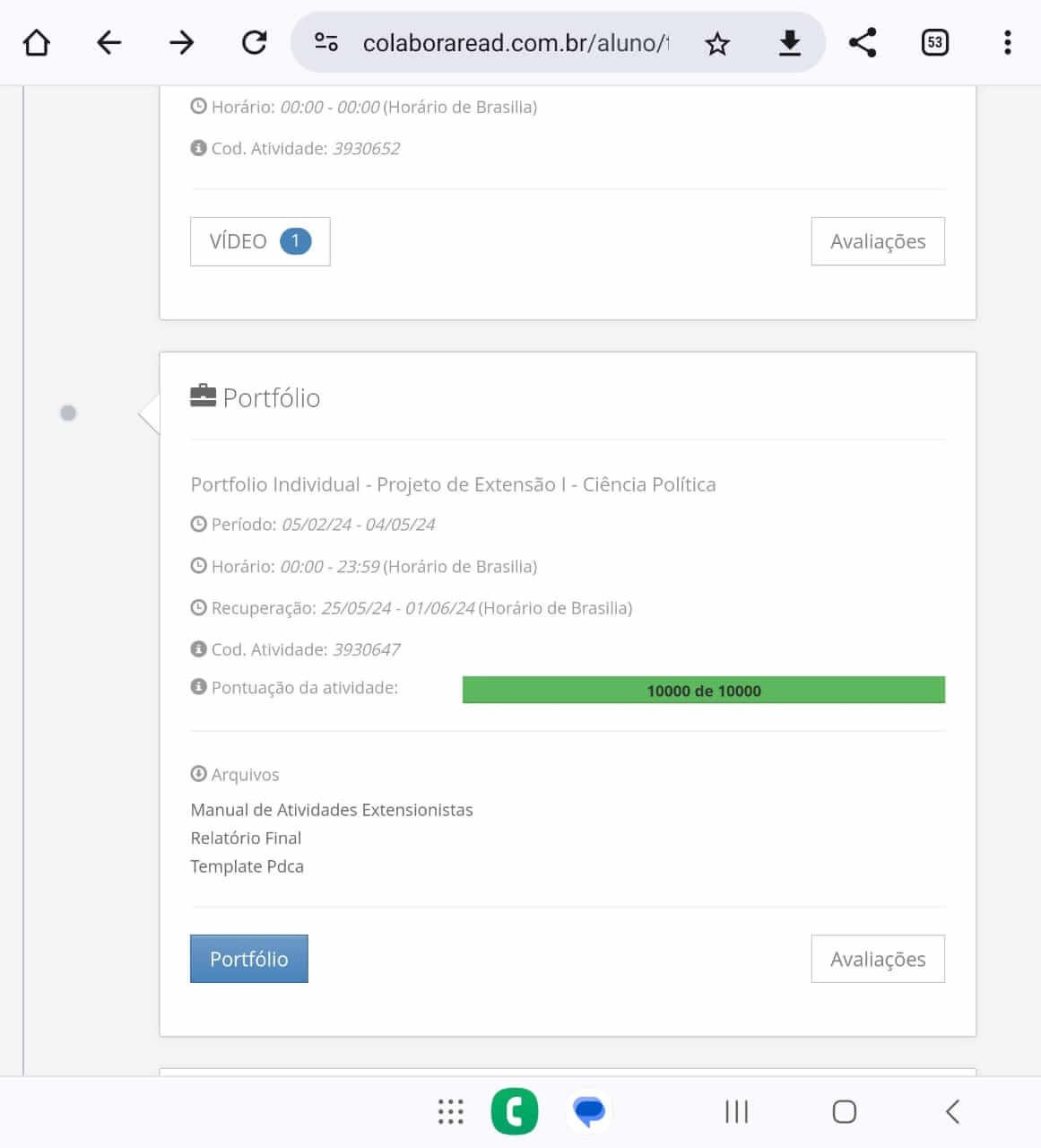







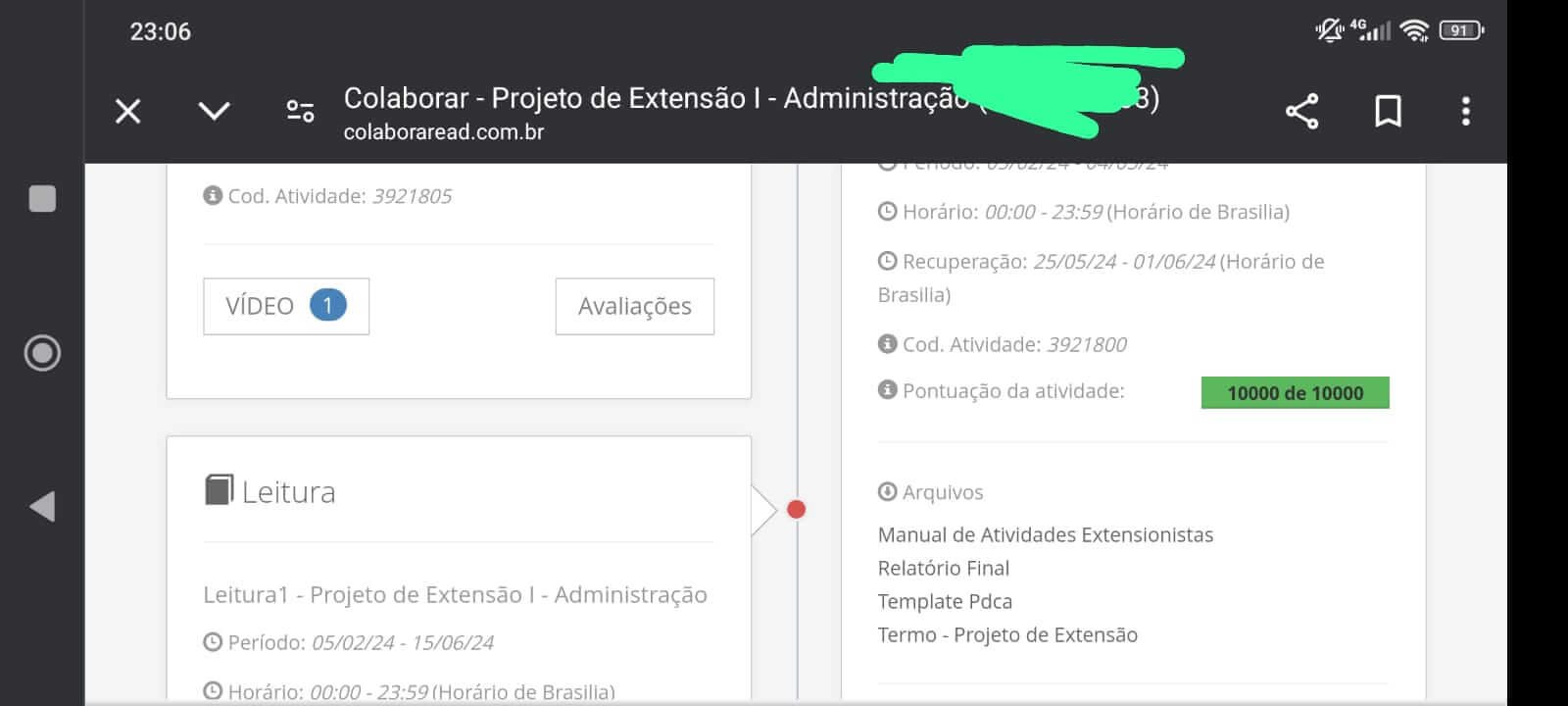










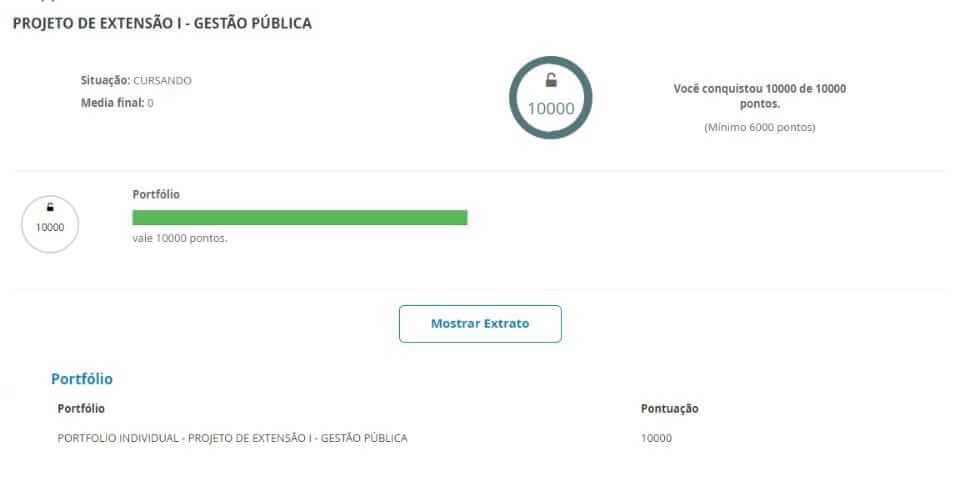













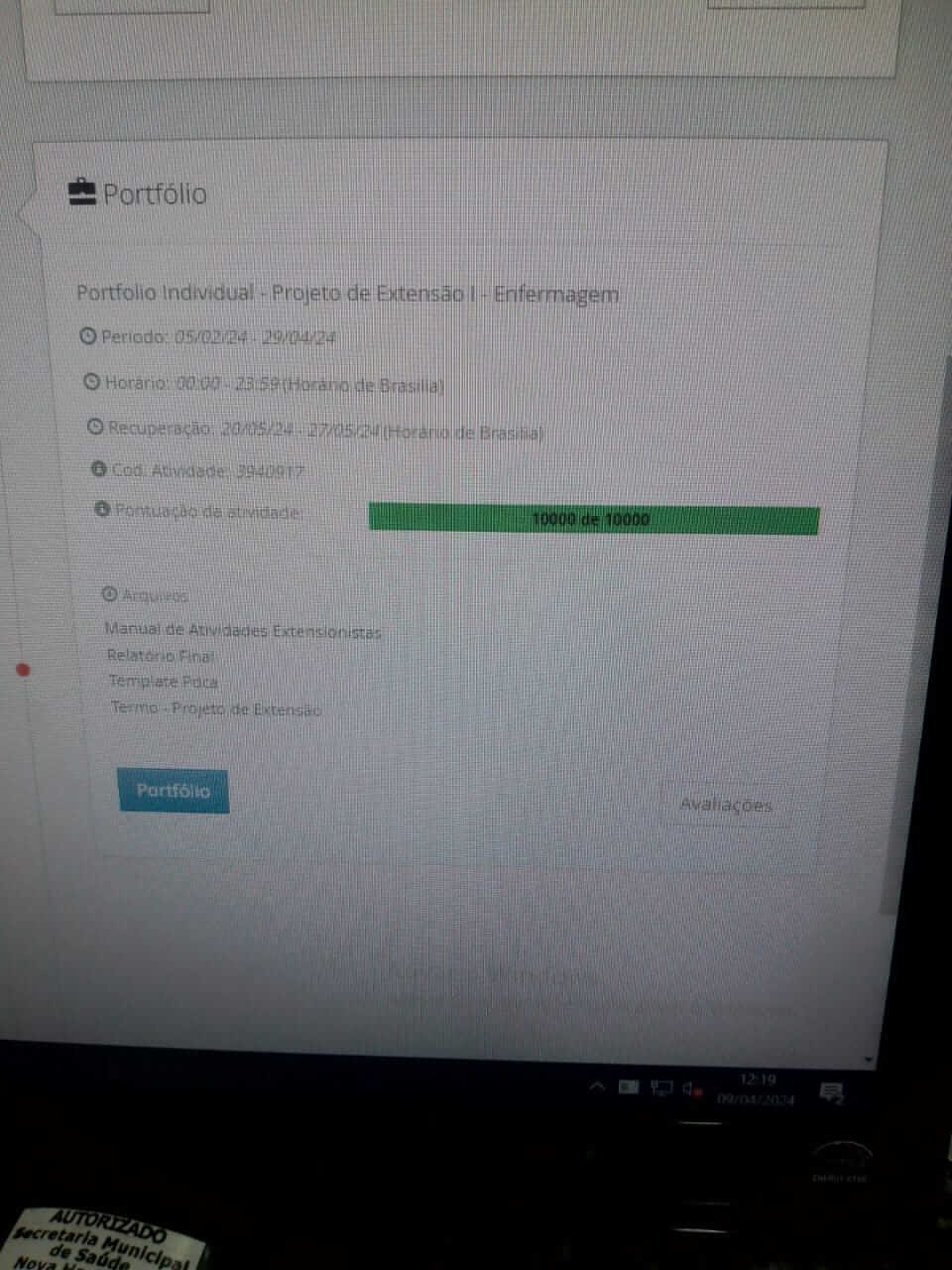




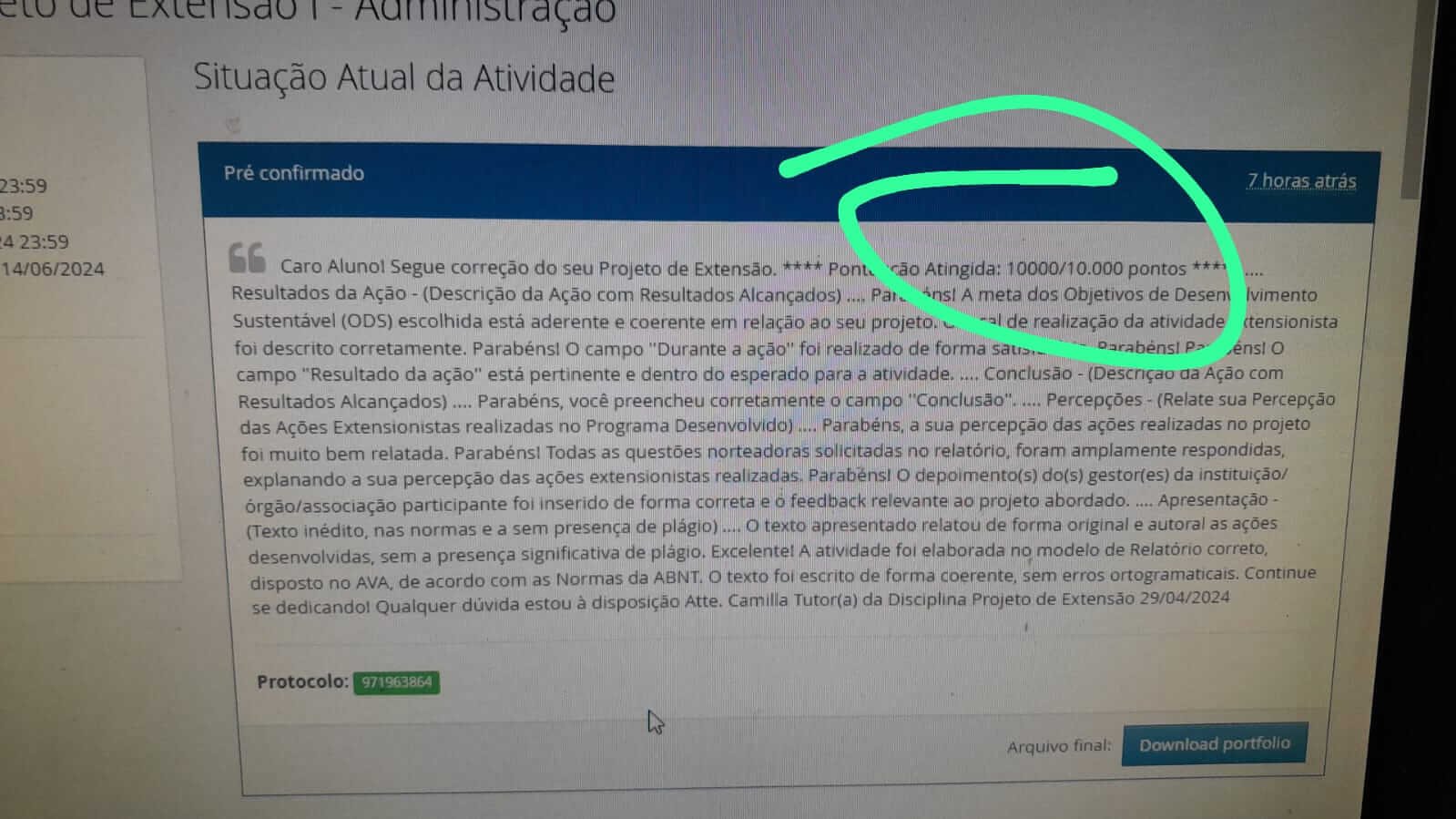







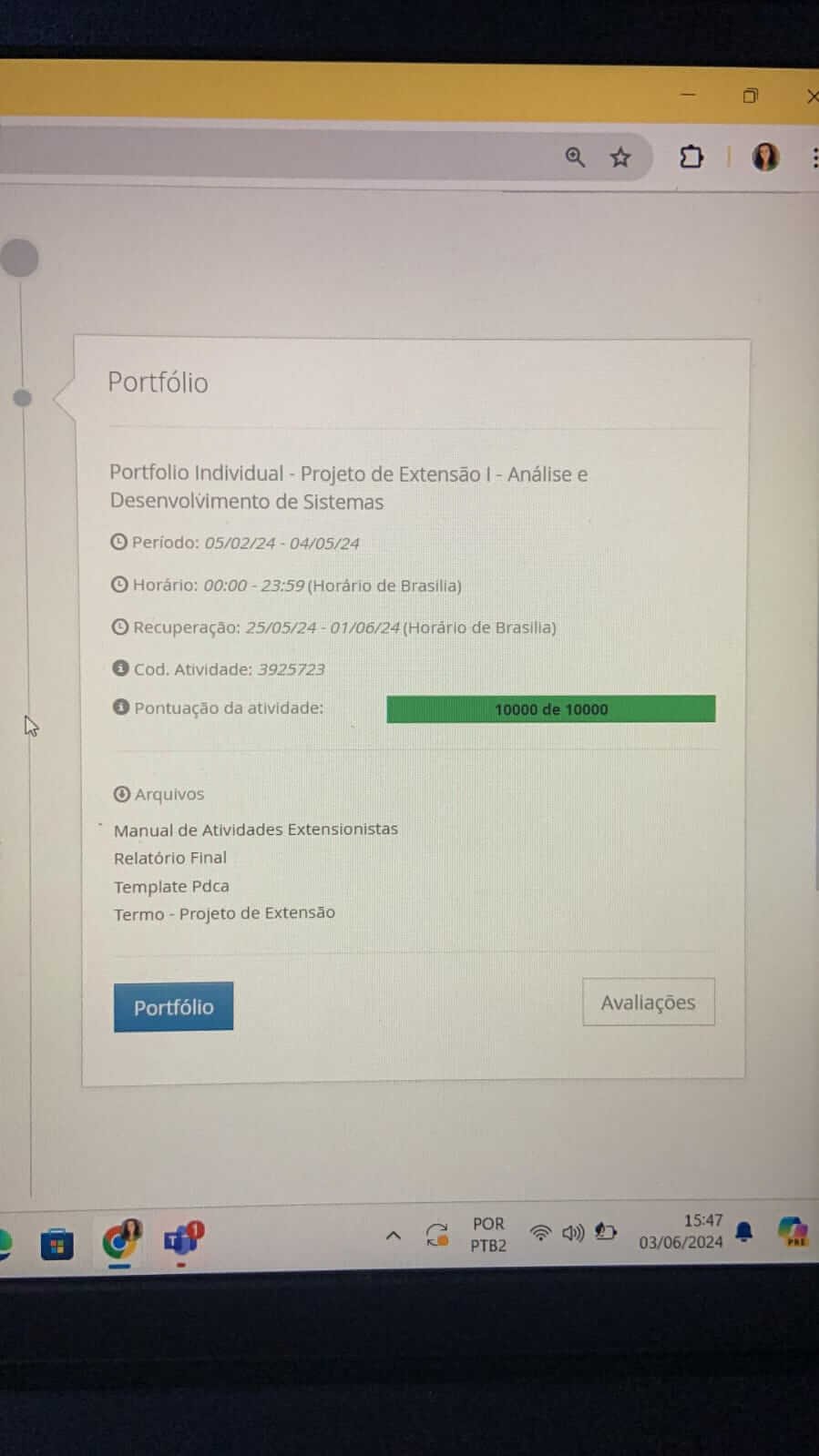
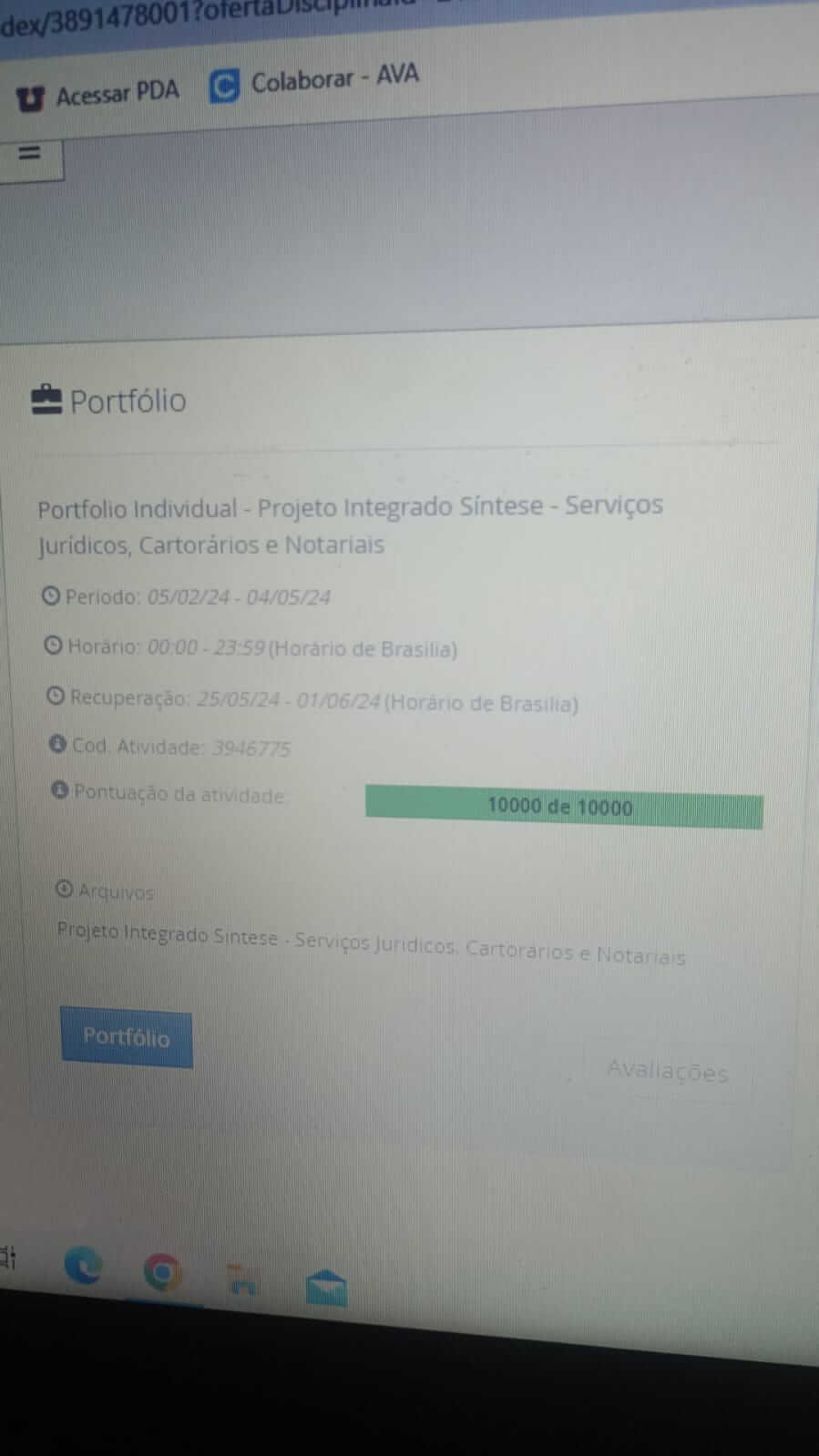


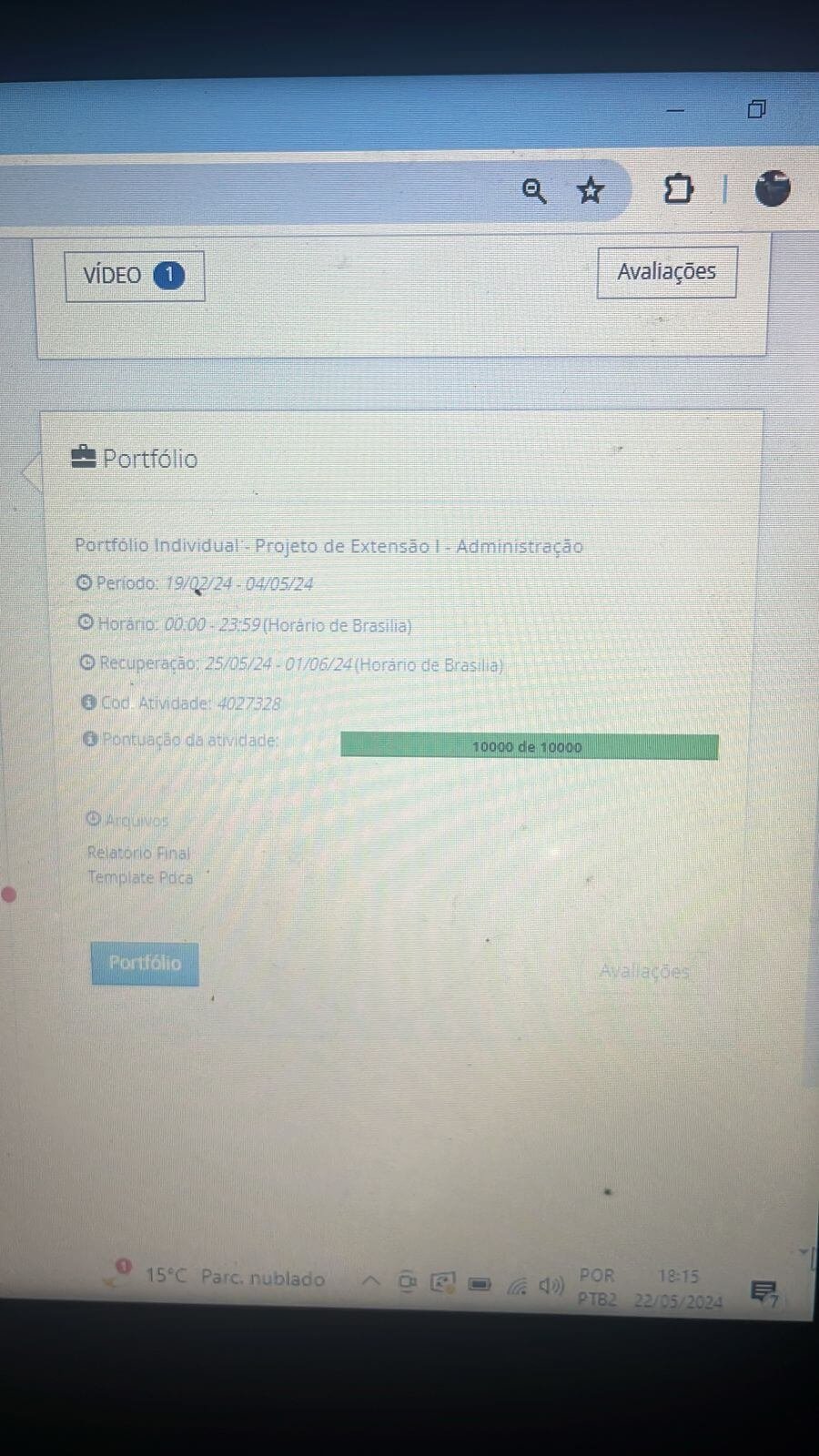


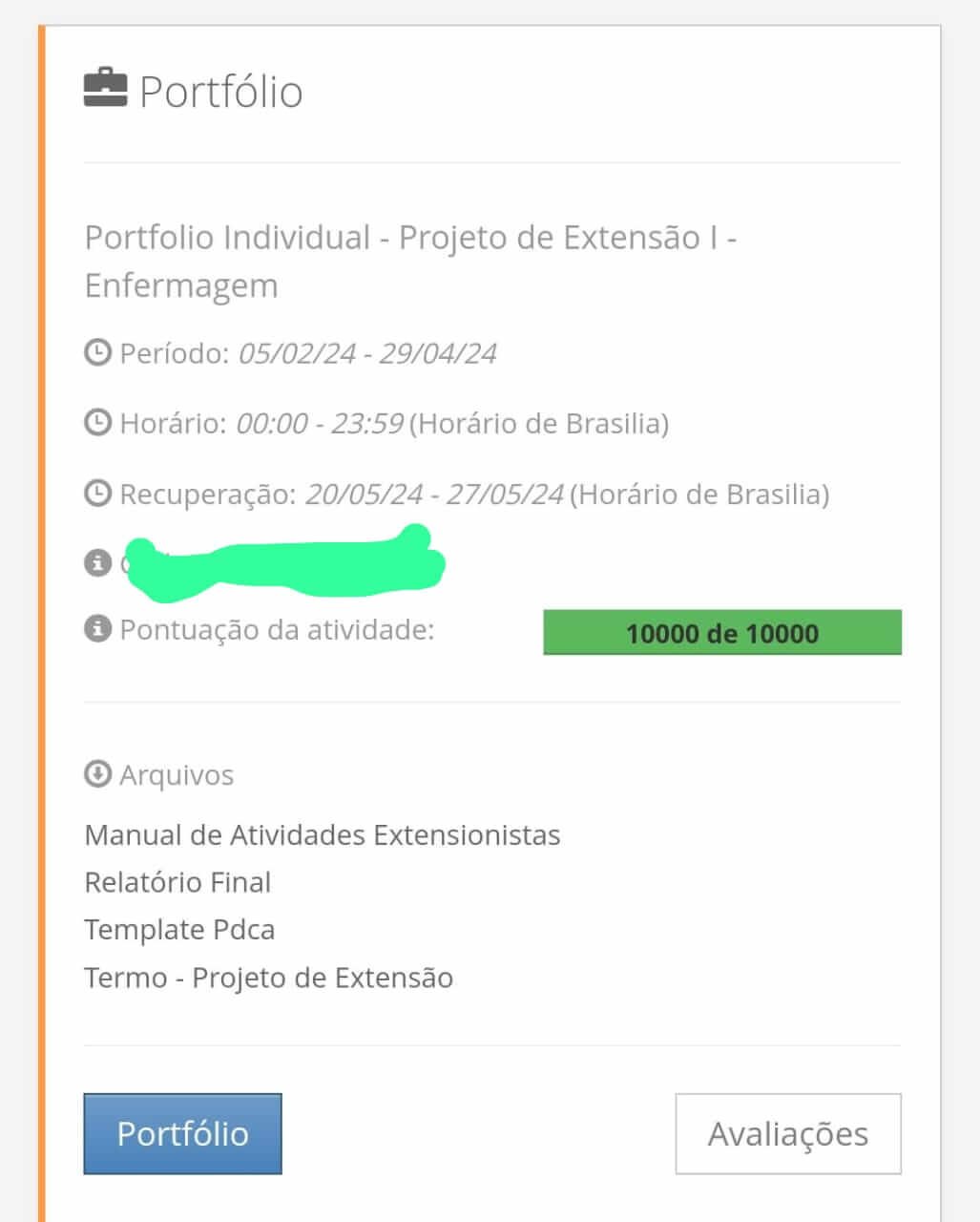







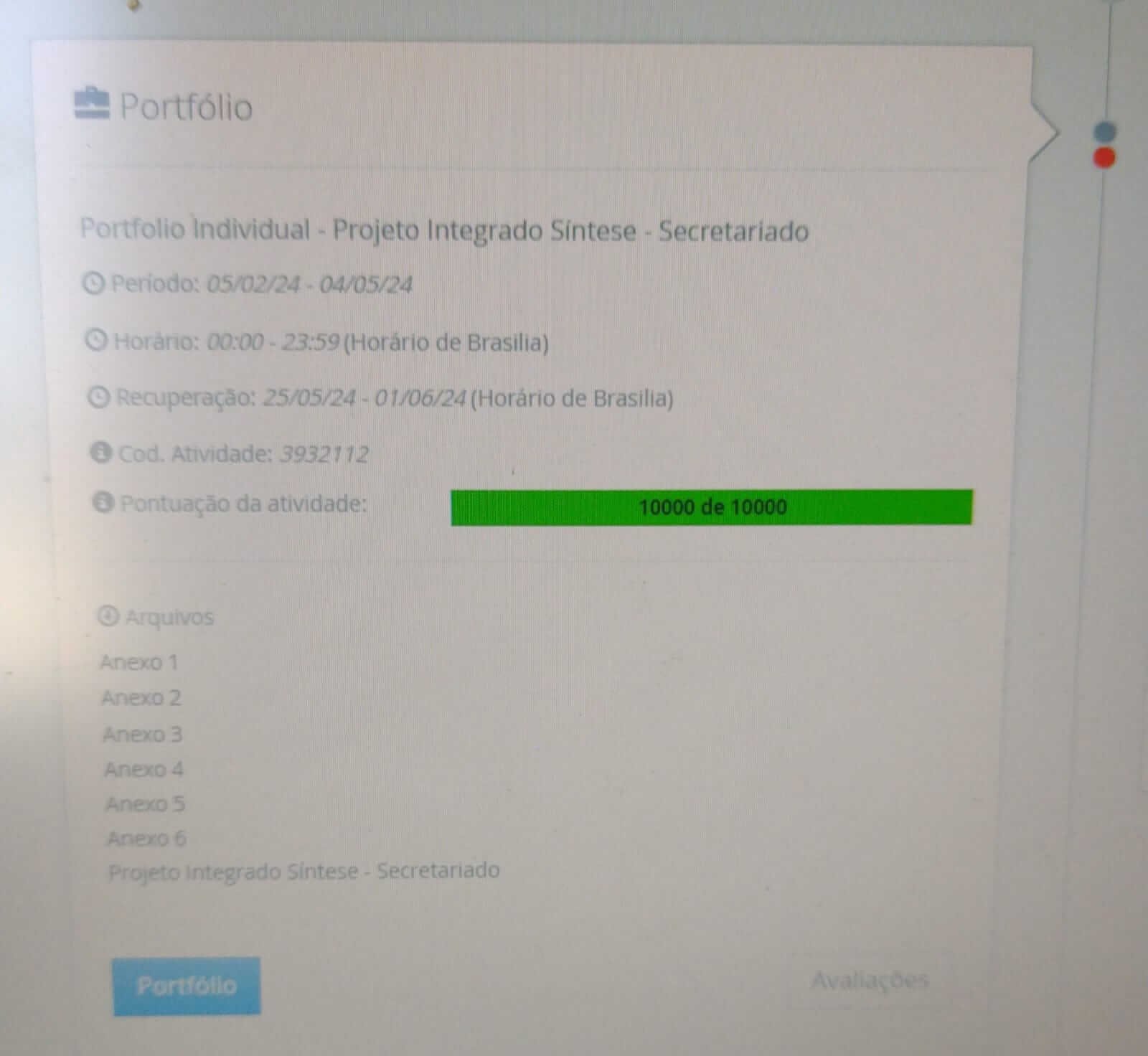







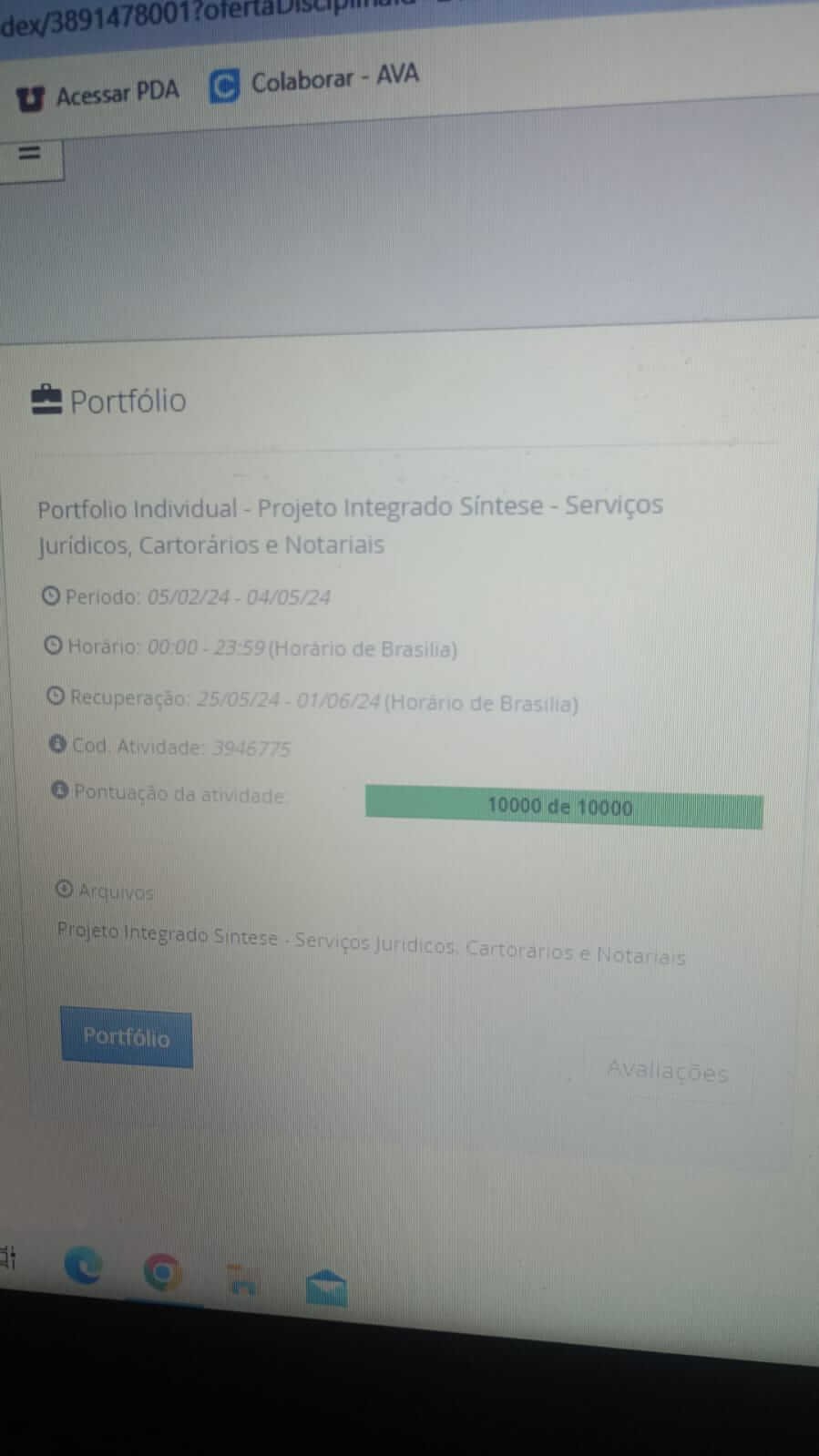
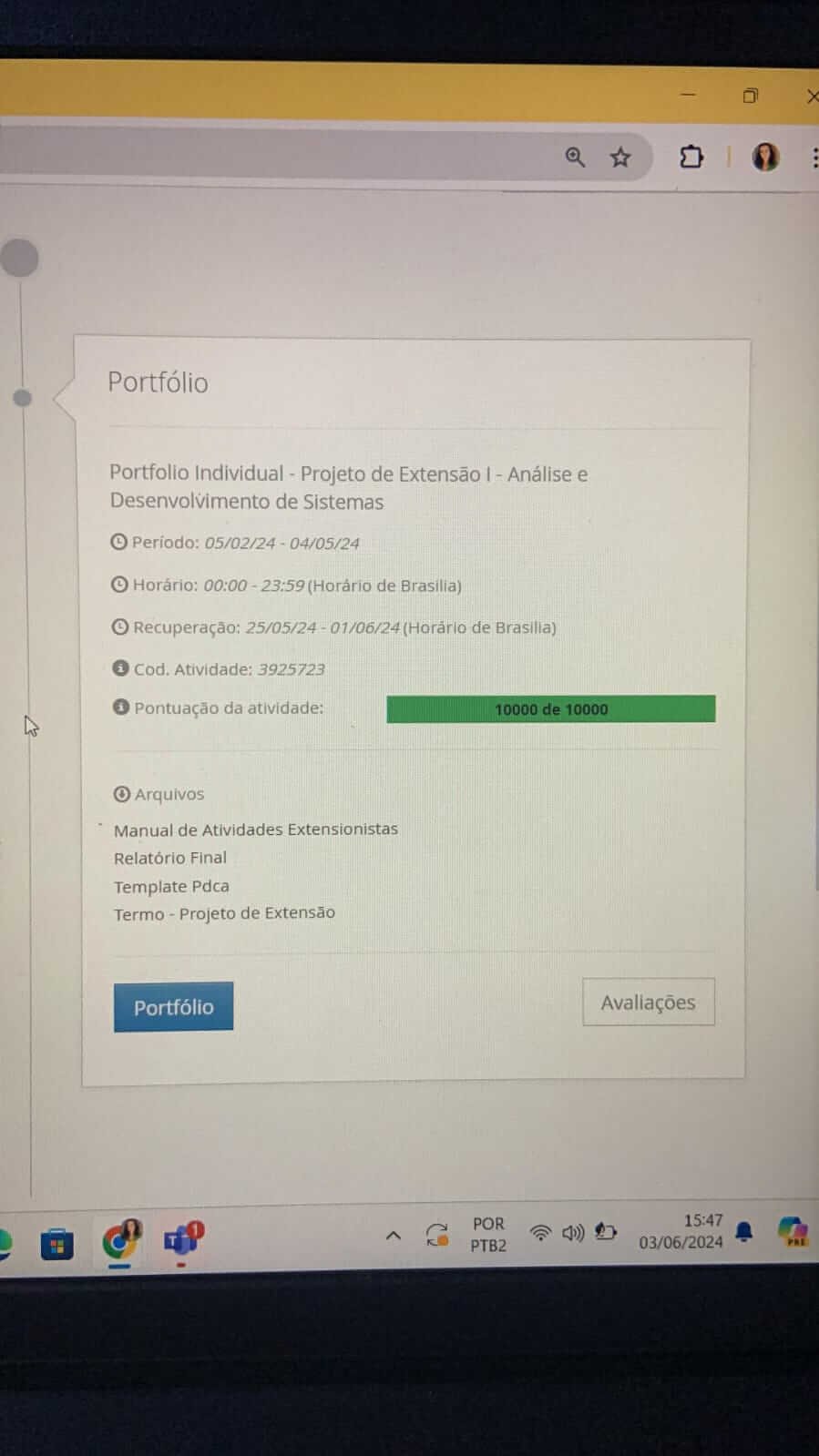


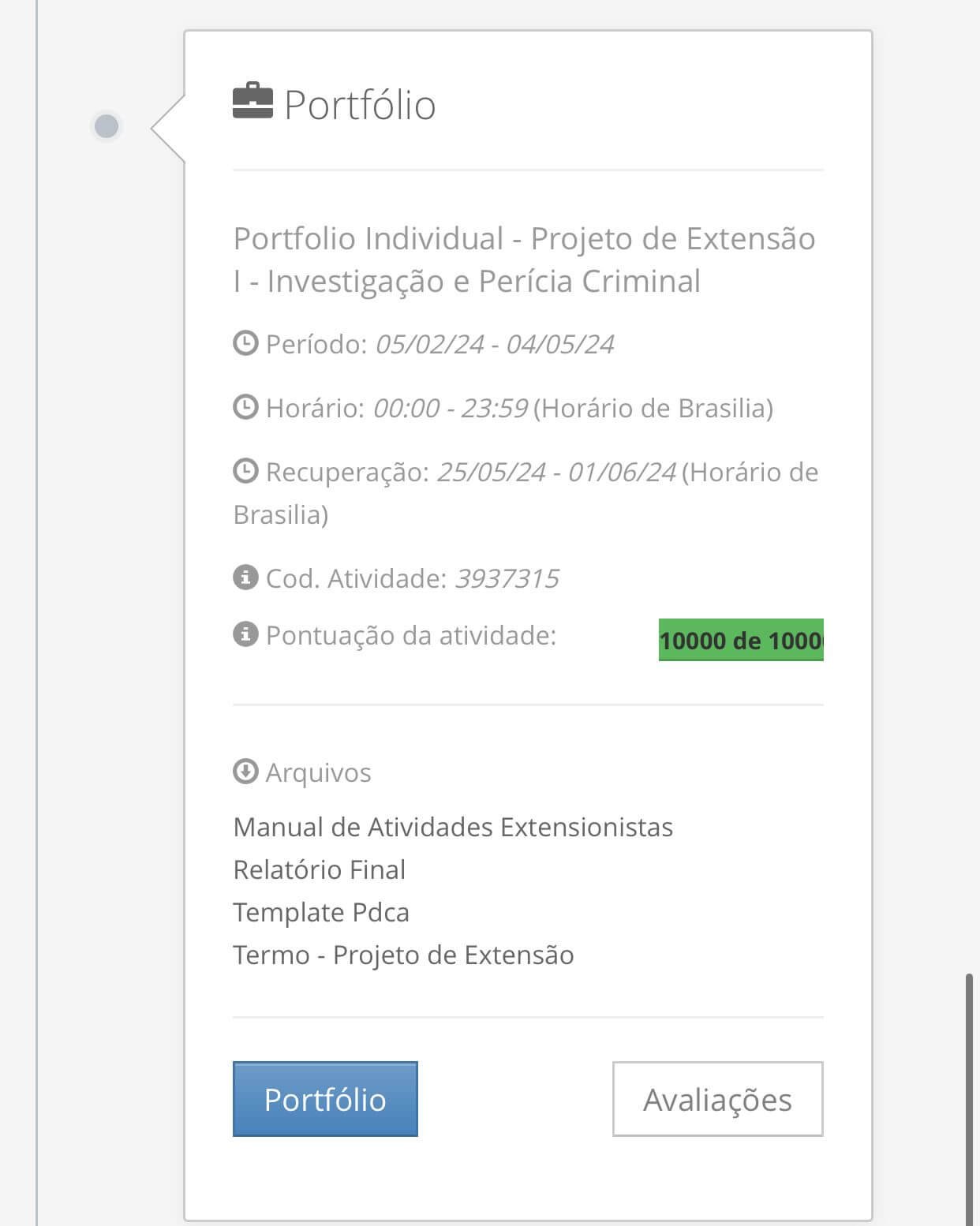








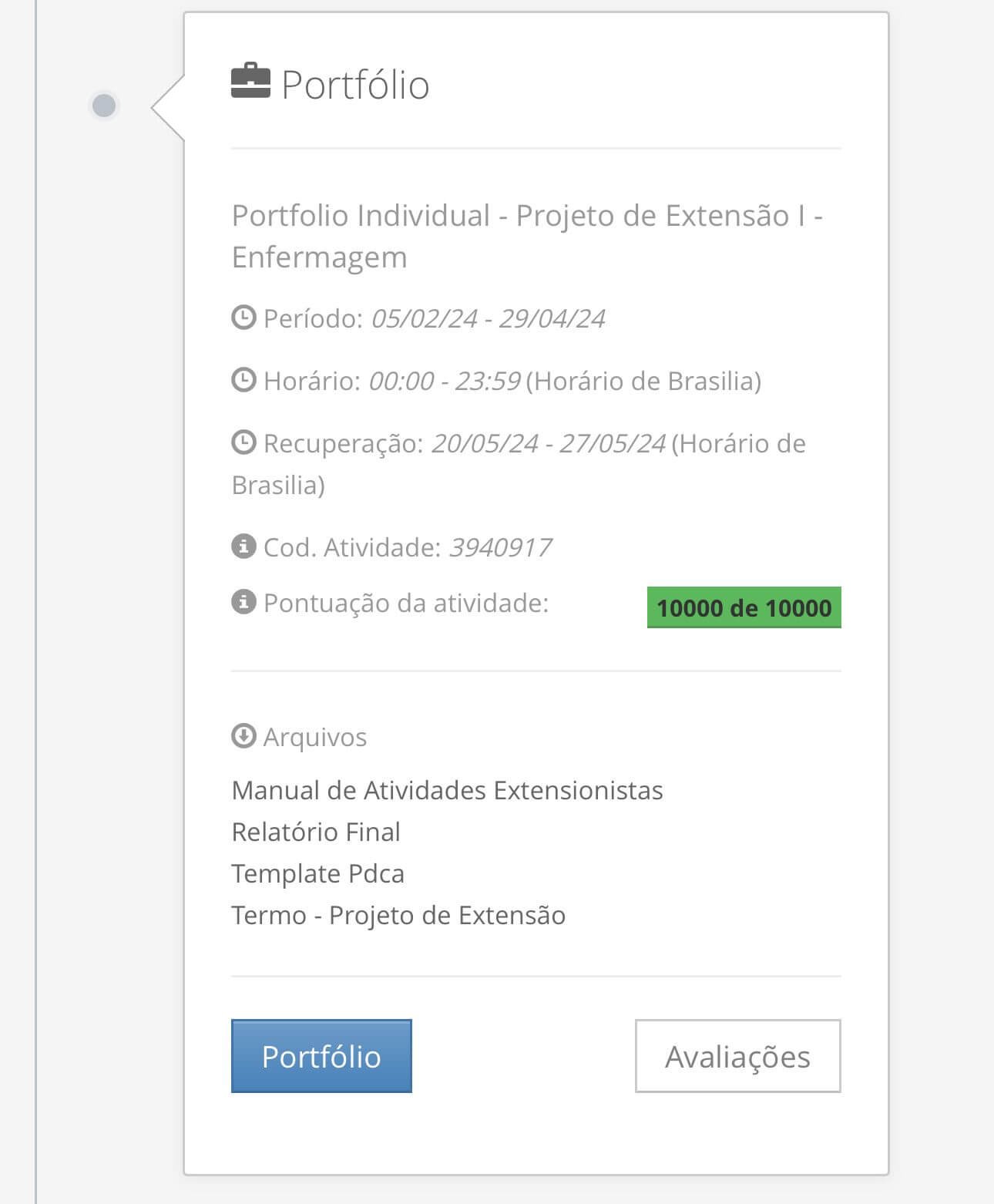








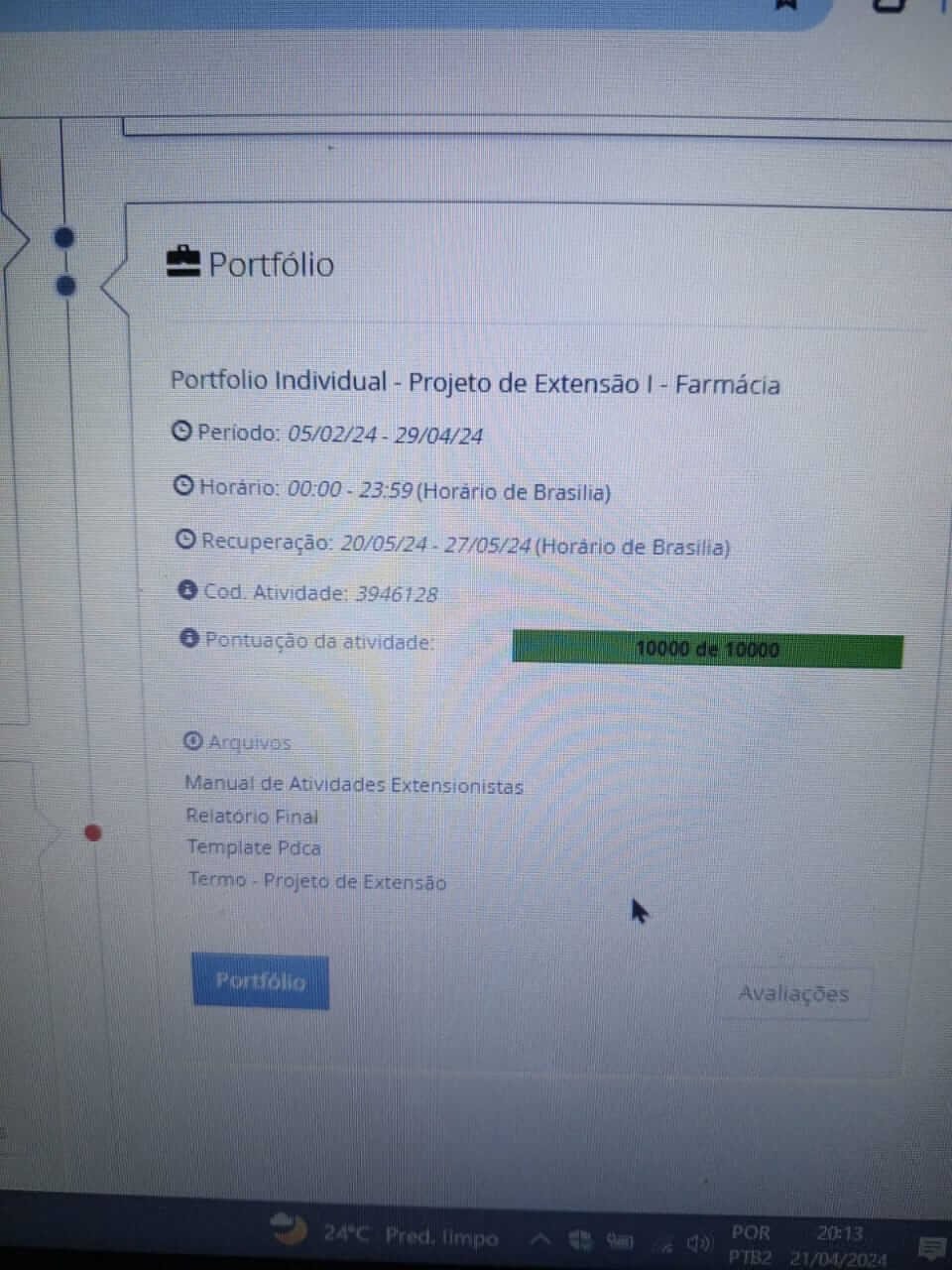






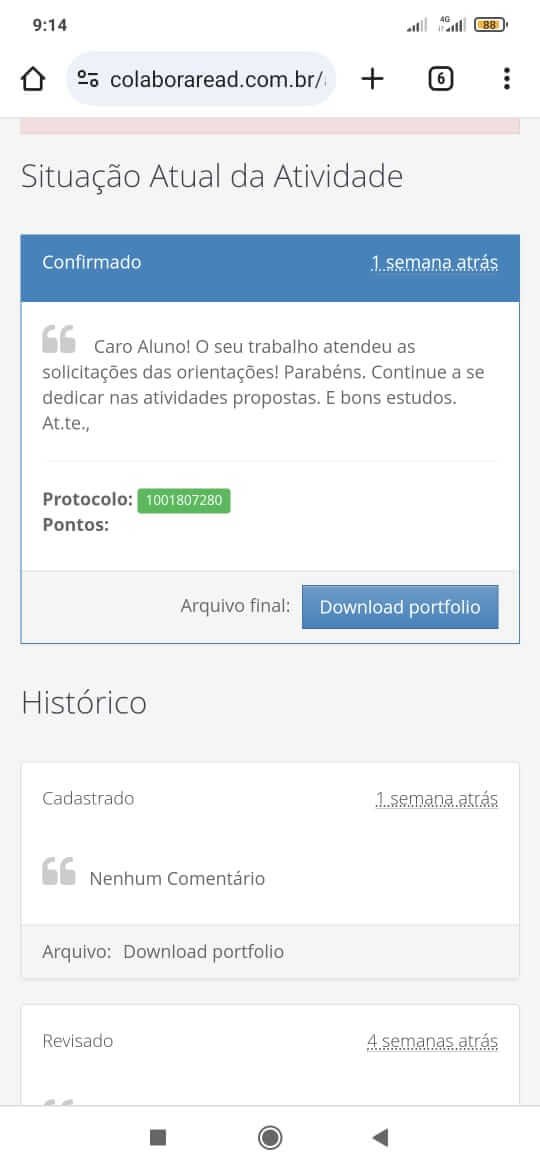
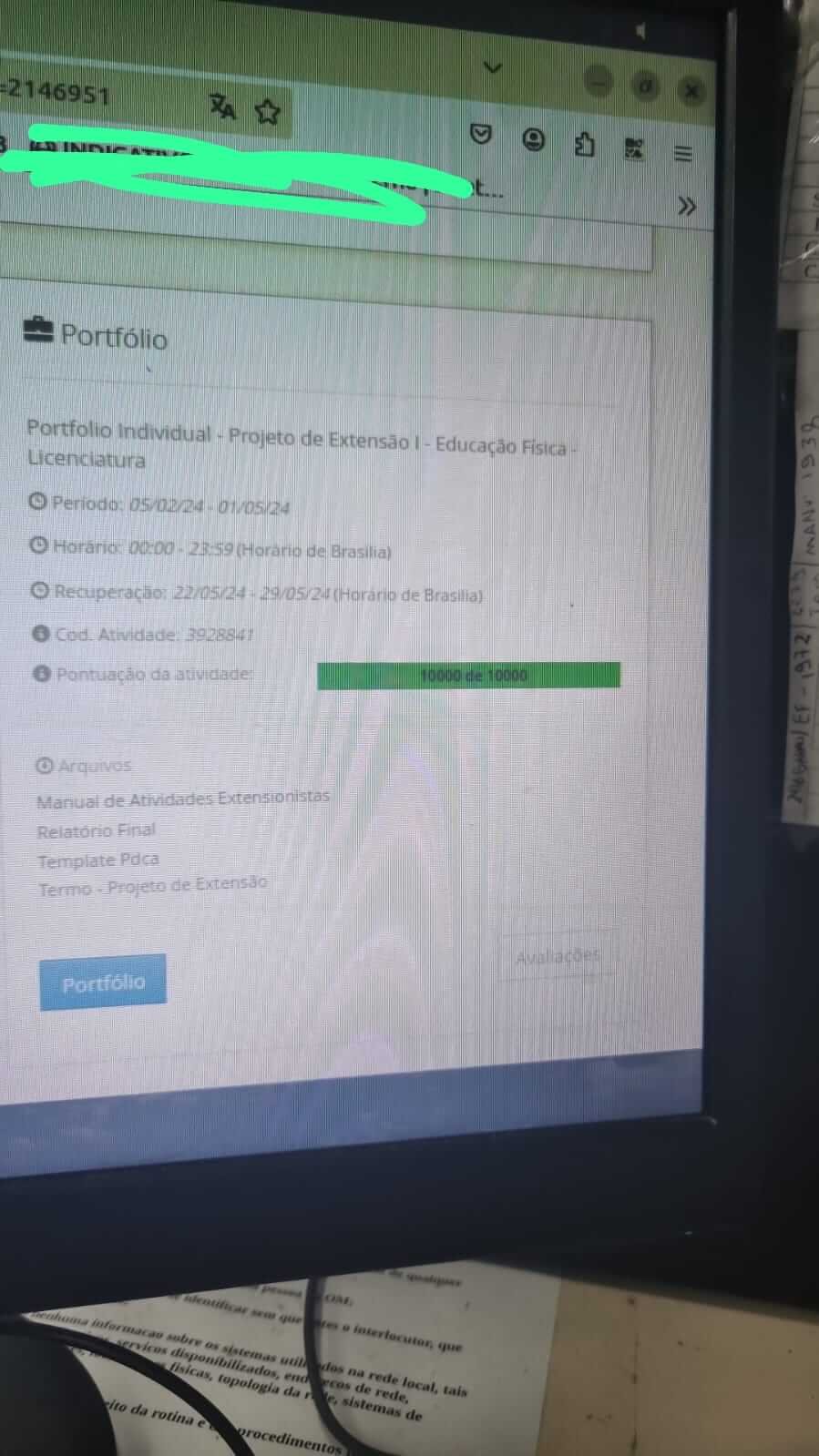





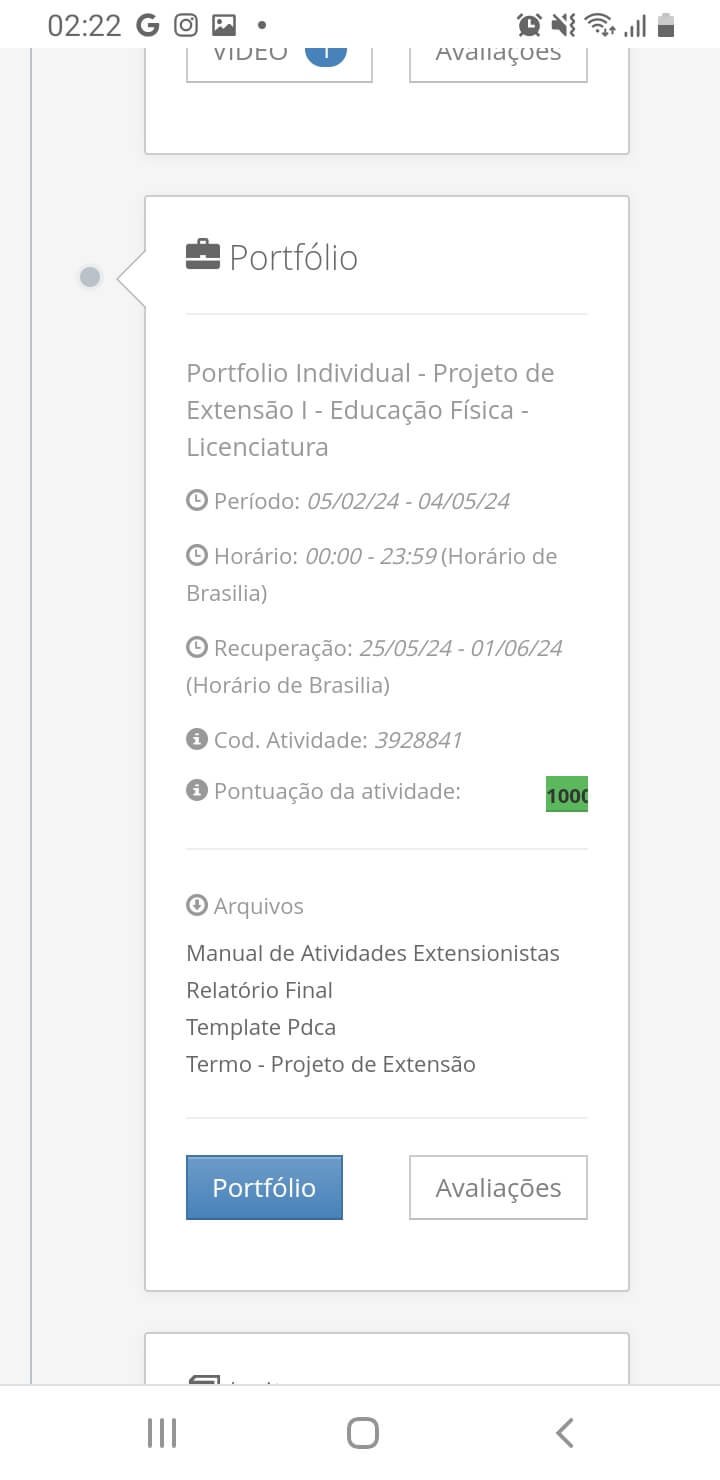



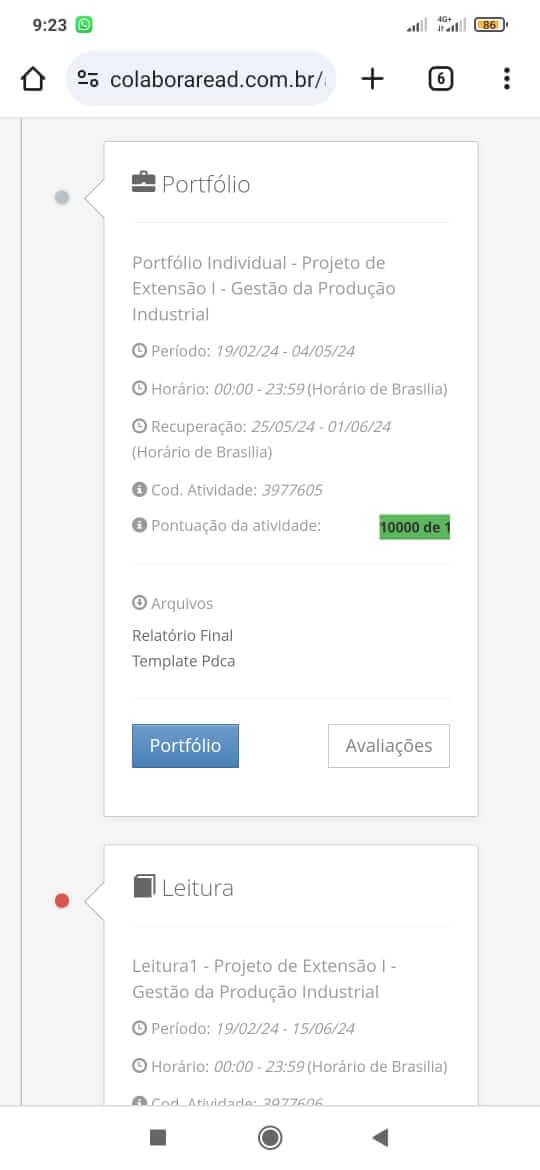


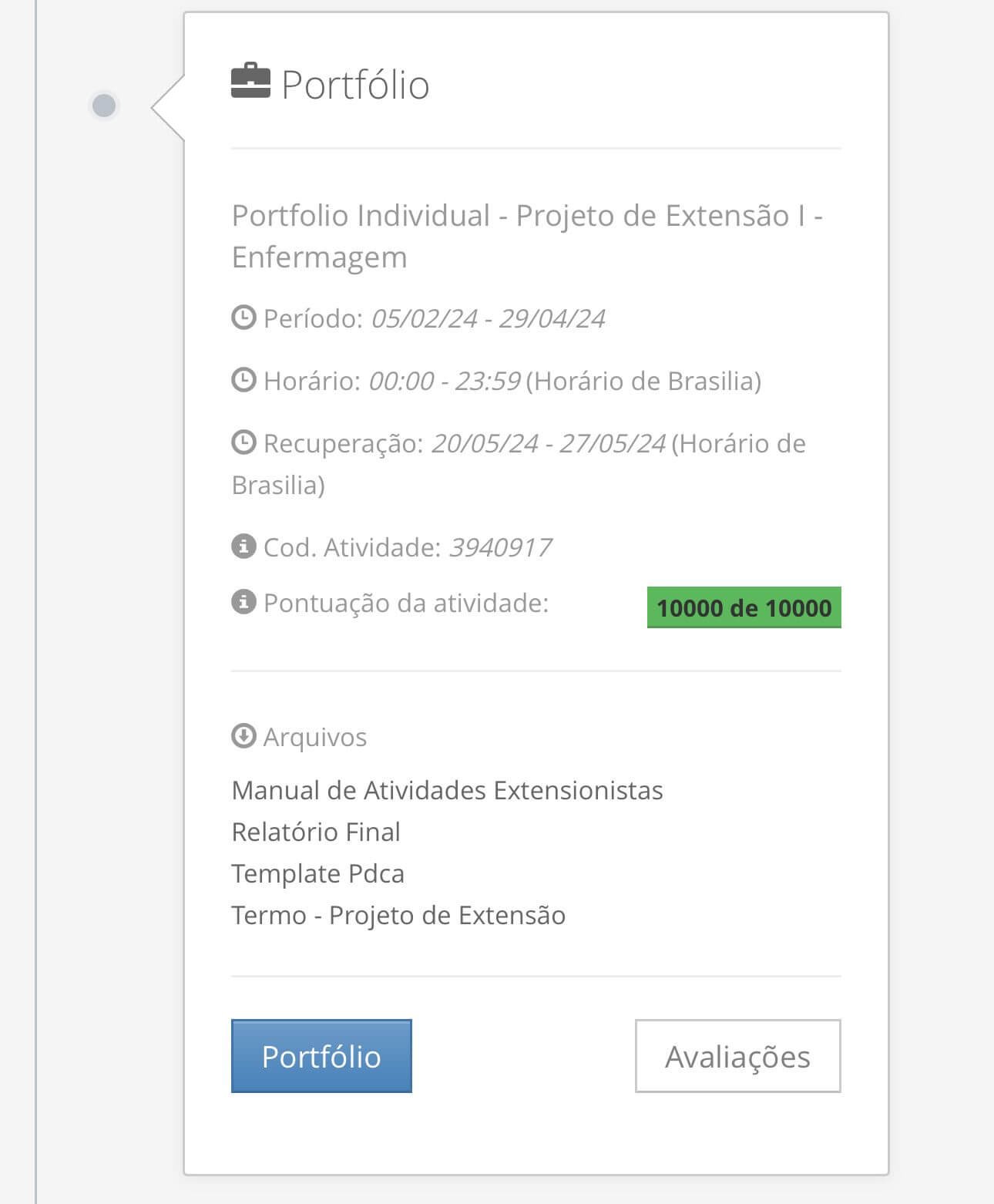







































Como funciona
Portfólio padrão
- Completo, resolvido, já formatado em Word.
- Entrega imediata, porém, recomenda-se realizar algumas modificações antes de anexar no portal.
Portfólio personalizado/exclusivo
- Completo, resolvido, já formatado em Word.
- Elaborado e personalizado exclusivo para você.
- Entregamos em até 5 dias.
- Pronto para apenas anexar direto no portal.
- Encomende via WhatsApp: Abrir conversa