The excitement of limited-time happy hours
Happy hours inside a game work like a friendly spotlight: they briefly change the mood, raise attention, and make a session feel like something you caught at the perfect moment. During a limited-time window in Rabbit Road demo, familiar reels feel more playful and the next decision feels closer. Instead of asking players to grind, these windows offer a compact burst of atmosphere and possibility that fits into everyday life. The shift can be subtle, yet it is powerful, because it turns ordinary play into a marked occasion with a clear start, a warm peak, and a gentle return to the standard rhythm. Players can drop in for a short session, enjoy the brighter vibe, and leave with the feeling that they joined a small celebration. A limited-time event creates focus. The brain treats it as a mini-occasion, which makes attention sharper and small outcomes feel more meaningful. You do not need complicated rules to feel the shift; the timing alone changes how you scan the screen and how you react to each reveal. This is where happy hours shine: they add urgency without turning the experience into stress, as long as the tone stays calm and the rewards are framed as a bonus, not a demand. The first rule is clarity. Players should understand what is different during the happy hour at a glance. If the event changes how rewards behave, the interface needs a simple explanation that avoids jargon and avoids tiny text. A badge, a short line of copy, and a clear icon can do more than a long panel. The player should never have to wonder whether the event is active, what it affects, or why it matters. The reward layer is where a happy hour can feel magical without being complicated. A smart approach is to enhance the emotional impact of wins rather than trying to rewrite the whole reward system. When a multiplier appears during the window, the game can frame it with a short build-up and a clear highlight that makes the moment feel earned. A glow around the symbol, a friendly sound cue, and a crisp result summary can turn a multiplier into a turning point instead of a random spike. The best limited-time events feel like a treat, not a trap. That means designing with restraint and respect for real schedules. A happy hour should be easy to join, easy to understand, and easy to leave. When the window ends, the game should transition smoothly back to the standard look and sound without making the player feel punished or left behind. A calm closing message can thank the player for joining and keep the tone light.
Why short windows feel thrilling
Short windows also improve pacing. Slot sessions can blur together when every round carries the same emotional weight. A happy hour adds contrast, and contrast creates memories. Even a modest cash result can feel like a highlight when it lands inside a moment that was clearly marked as special. The event becomes a small story arc with a bright middle and a satisfying landing that does not drag.
There is a gentle social feeling too. Players know that others may be experiencing the same window, which makes the moment feel communal. That soft sense of shared timing can increase enjoyment without raising difficulty, because the core loop stays the same and the event sits lightly on top.Designing happy hours that stay friendly and readable
The second rule is comfort. Limited-time events can create pressure when the visuals are aggressive or when prompts feel pushy. A better approach is a soft invitation: a calm banner, warmer lighting, and gentle audio that signals a festive shift. This helps players stay relaxed while they play, which keeps the session sustainable and reduces fatigue.
The third rule is consistent control. Happy hours should not hijack the flow with long cutscenes or constant pop-ups. The player should be able to spin, tap, and move through the loop at their own pace. If there is a bonus card, the reveal should remain quick. If there is a celebratory animation, it should land and fade cleanly. The event should feel like a brighter room you stepped into, not a hallway you cannot leave.Reward tuning: making multiplier moments and cash wins land better
Cash outcomes benefit from the same framing. During a happy hour, the win panel can use a warmer palette and a subtle confetti shimmer that stays away from the numbers. The player sees the result instantly, then enjoys the celebration as a second beat. This two-step landing is important because it keeps the game readable while still making the moment feel special.
Reward tuning should also respect perceived difficulty. If the event feels too unpredictable, players may feel confused about what changed. If it feels too flat, the event feels pointless. The sweet spot is a noticeable lift in excitement, not a confusing shift in expectations. Happy hours can reach that balance by increasing the frequency of small pleasant moments, such as quick mini-celebrations, gentle progress nudges, or short bonus triggers, rather than relying only on rare peaks. When these smaller highlights stack together, the happy hour feels lively even if no single moment dominates the session, and the overall tone stays upbeat.Keeping the rush sustainable and player-friendly
Variety helps, but it should stay coherent. A window can lean into a cozy mood, another can feel more celebratory, but the identity should remain consistent so the event never feels like a different game. Rabbit Road can keep this coherence through theme cues that always point back to the same journey: the road motif in the background, playful character energy, and a clean UI language that stays readable under excitement.
Most importantly, the event should support healthy enjoyment. Happy hours can be exciting without pushing frantic behavior, because the player remains in control of pace and choice. When the design stays transparent and friendly, people return for the feeling, not for pressure. They come back to play because the moment feels festive, the interface stays clear, and every special beat, from a quick multiplier surprise to a neat cash landing, feels like a reward that fits the mood and then lets you continue with a calm smile.
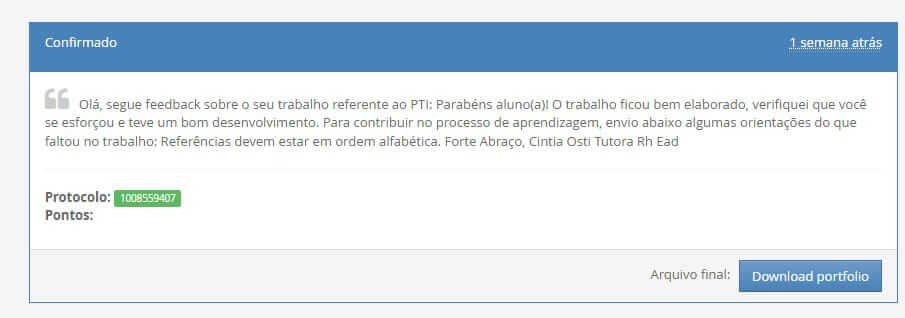
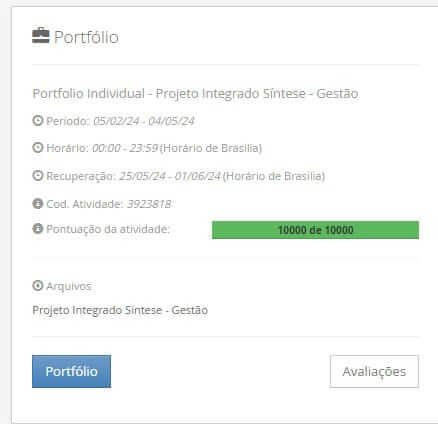
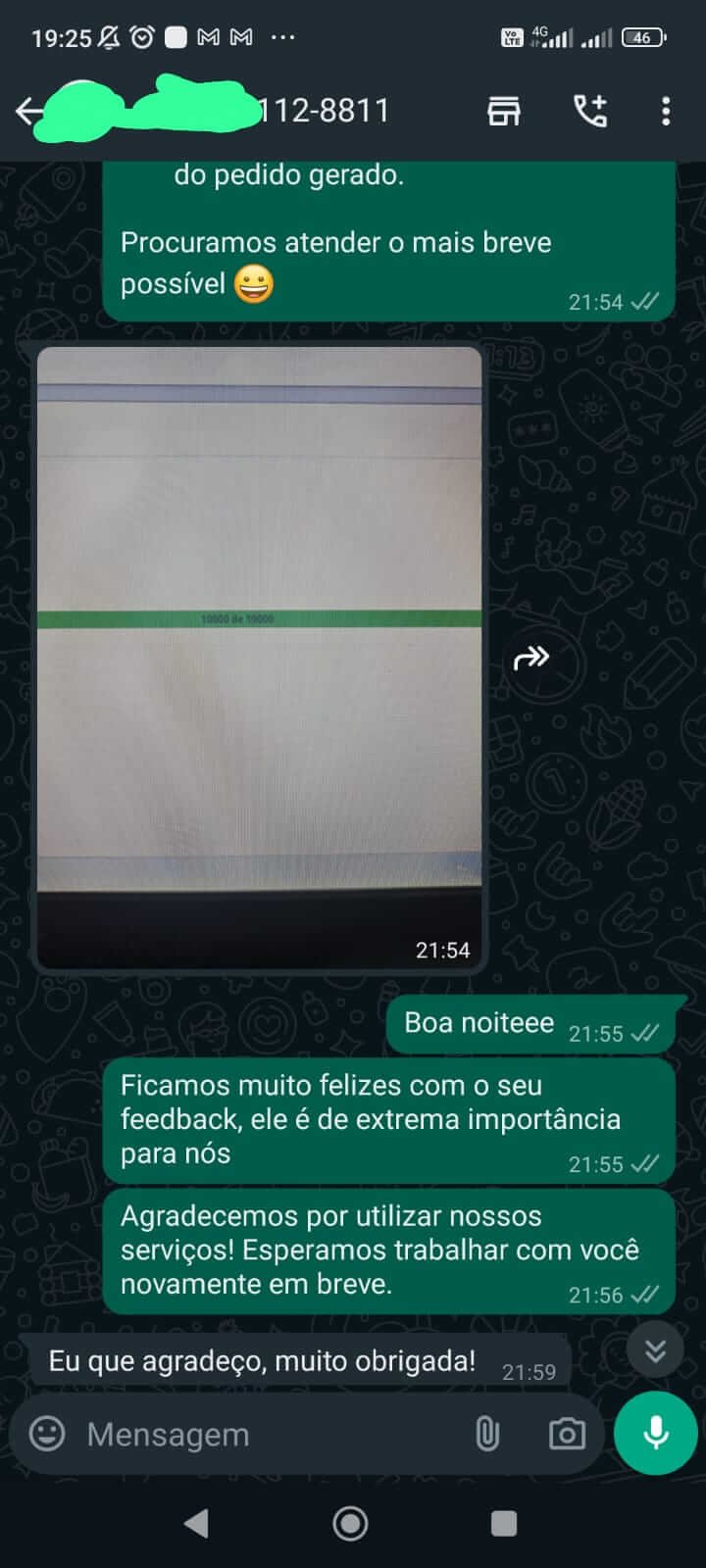
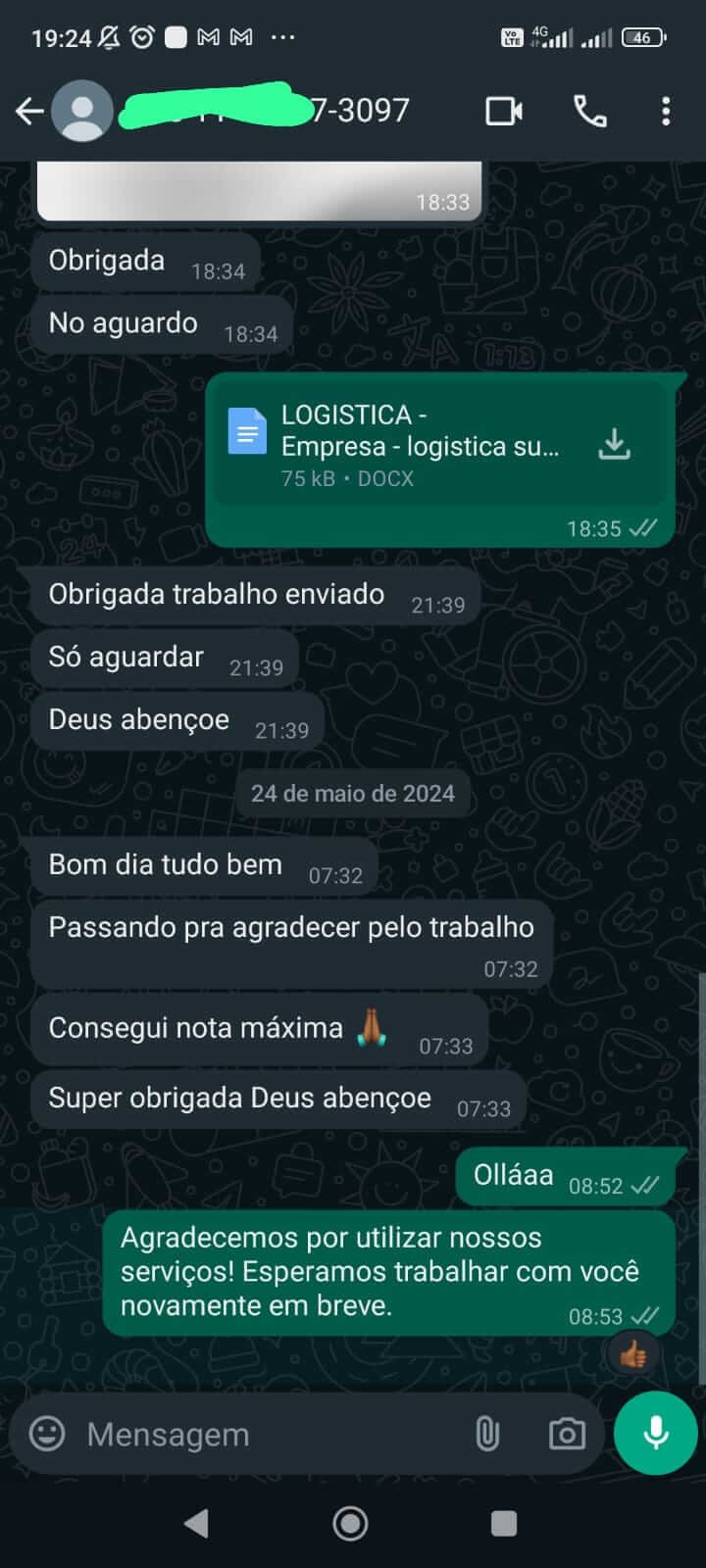
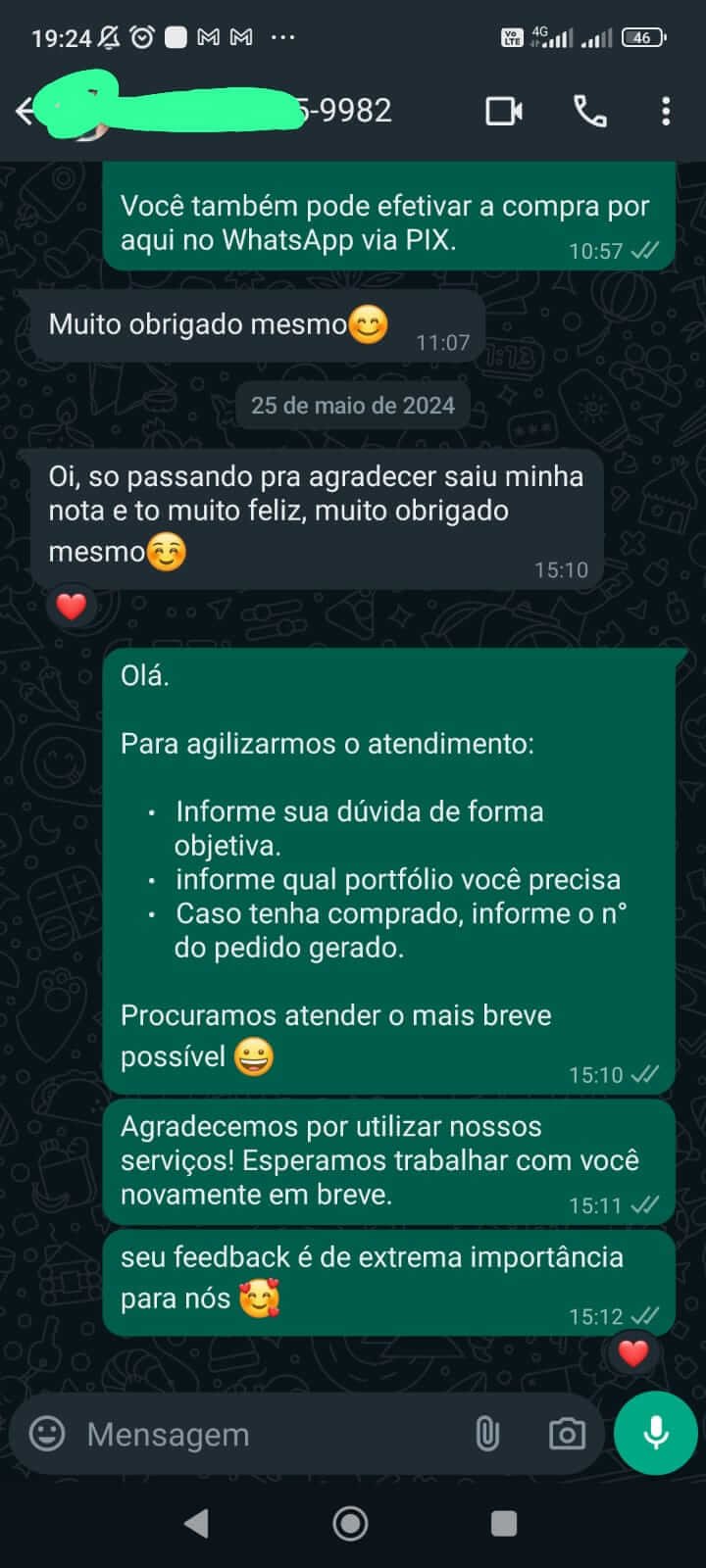
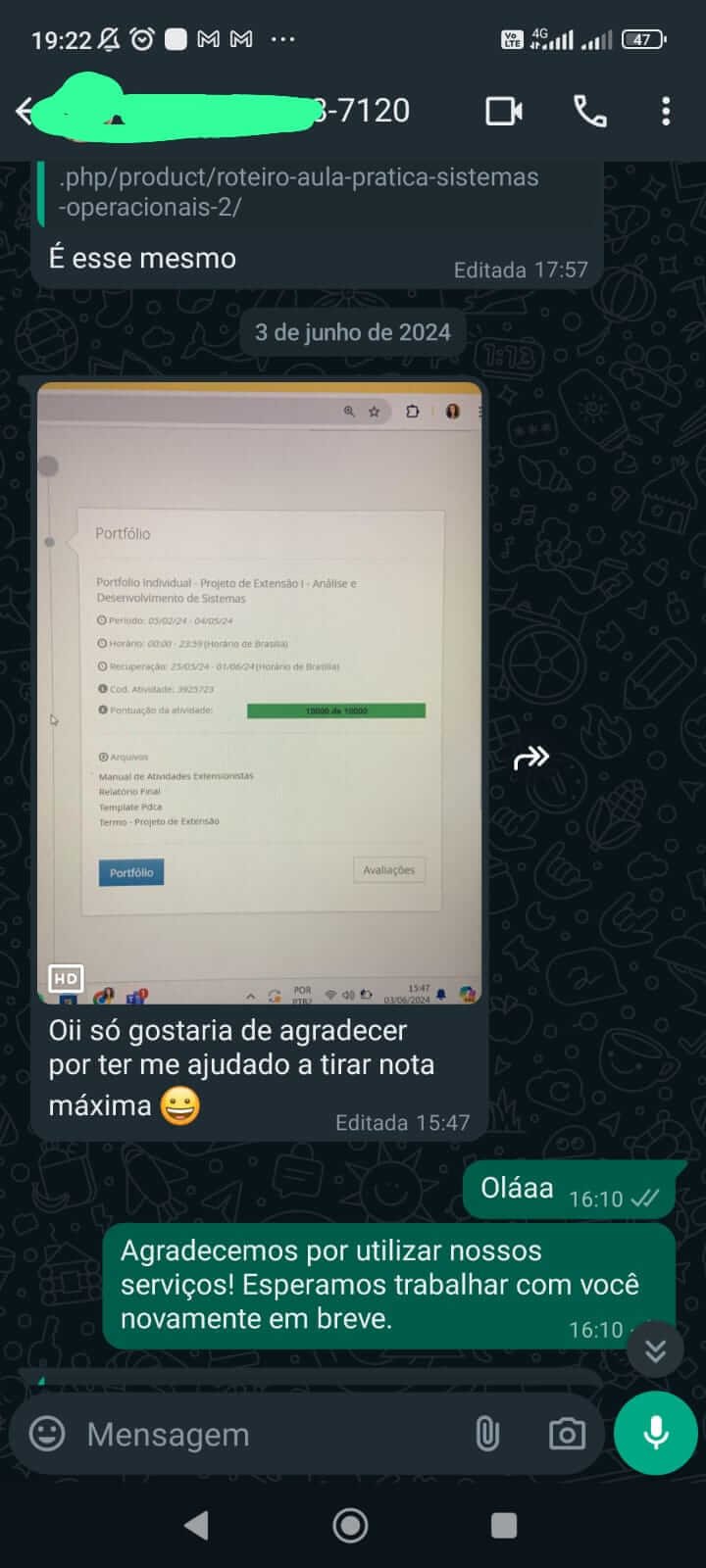
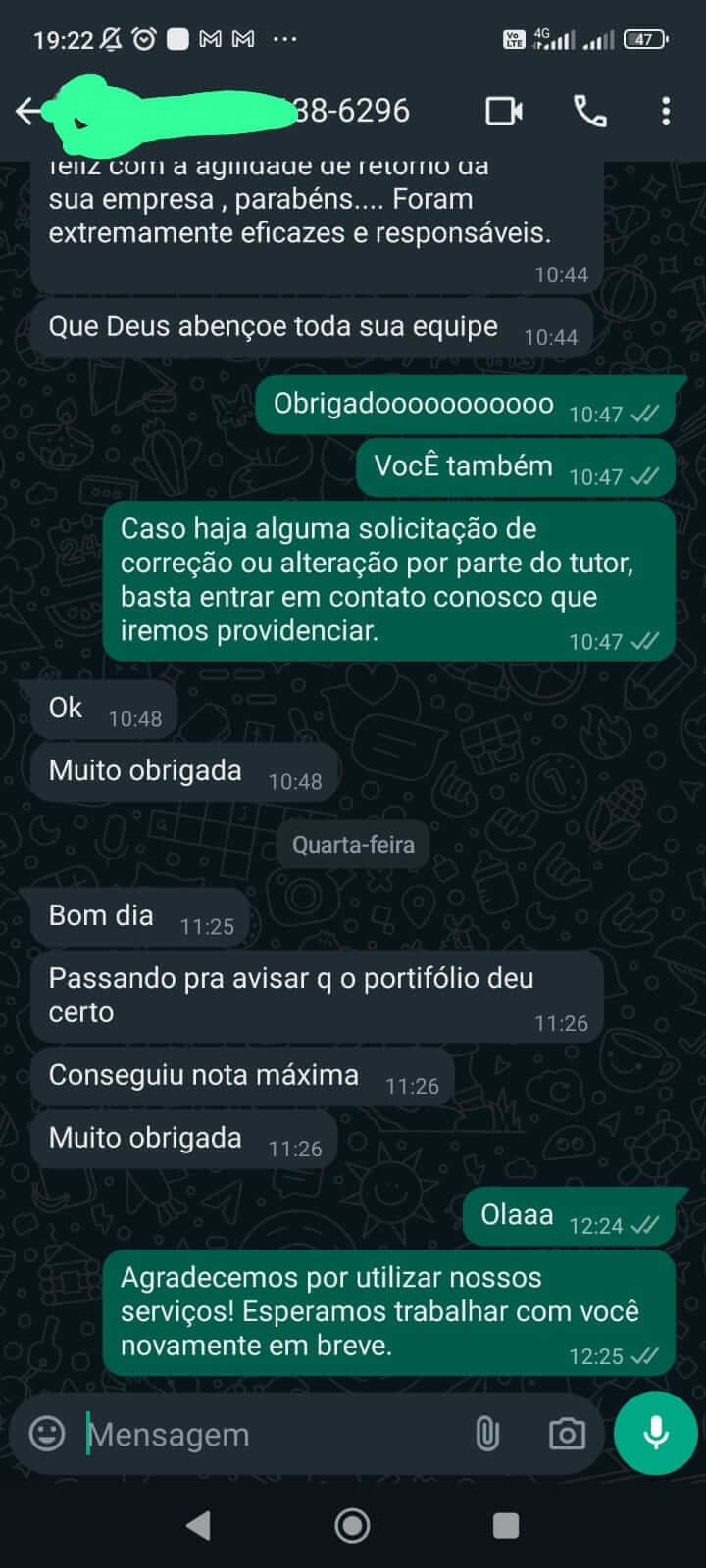
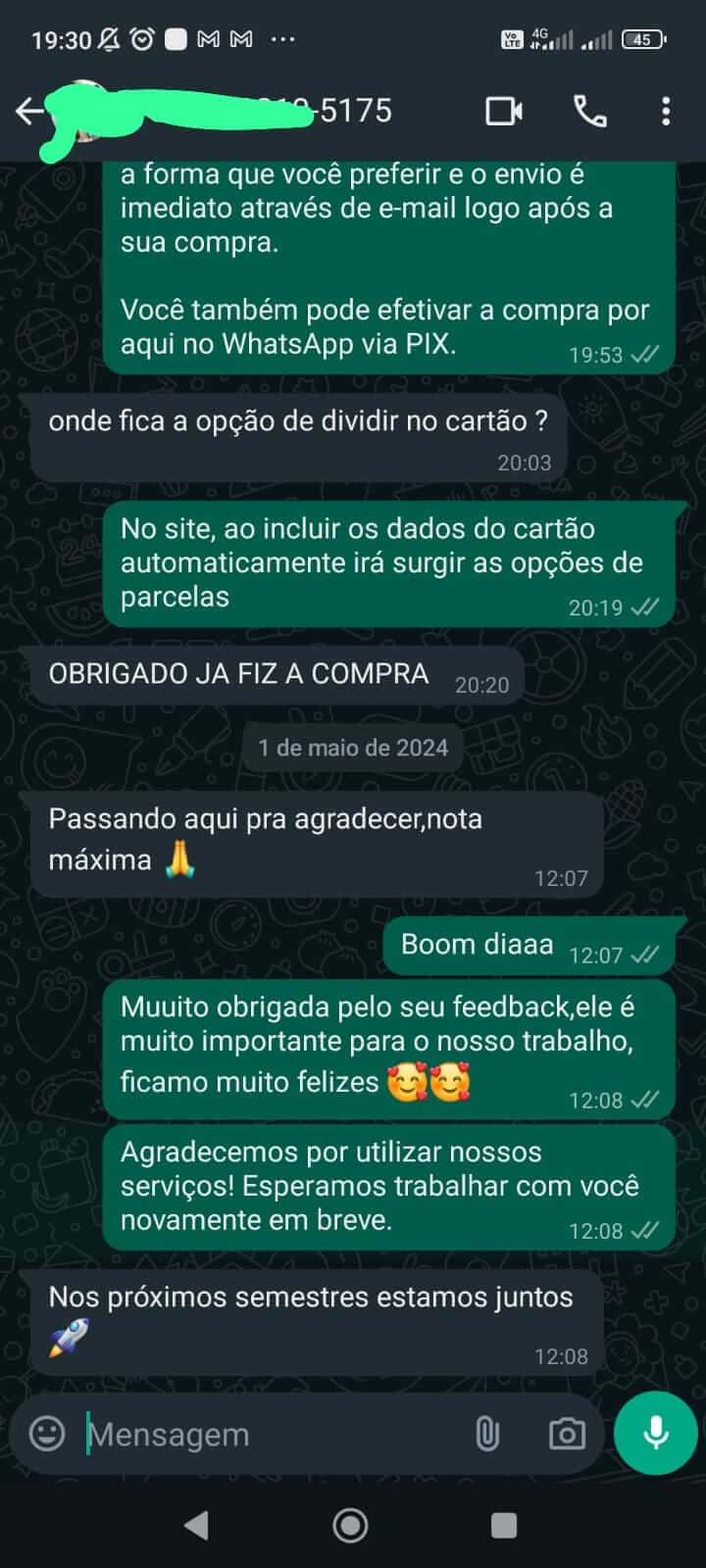
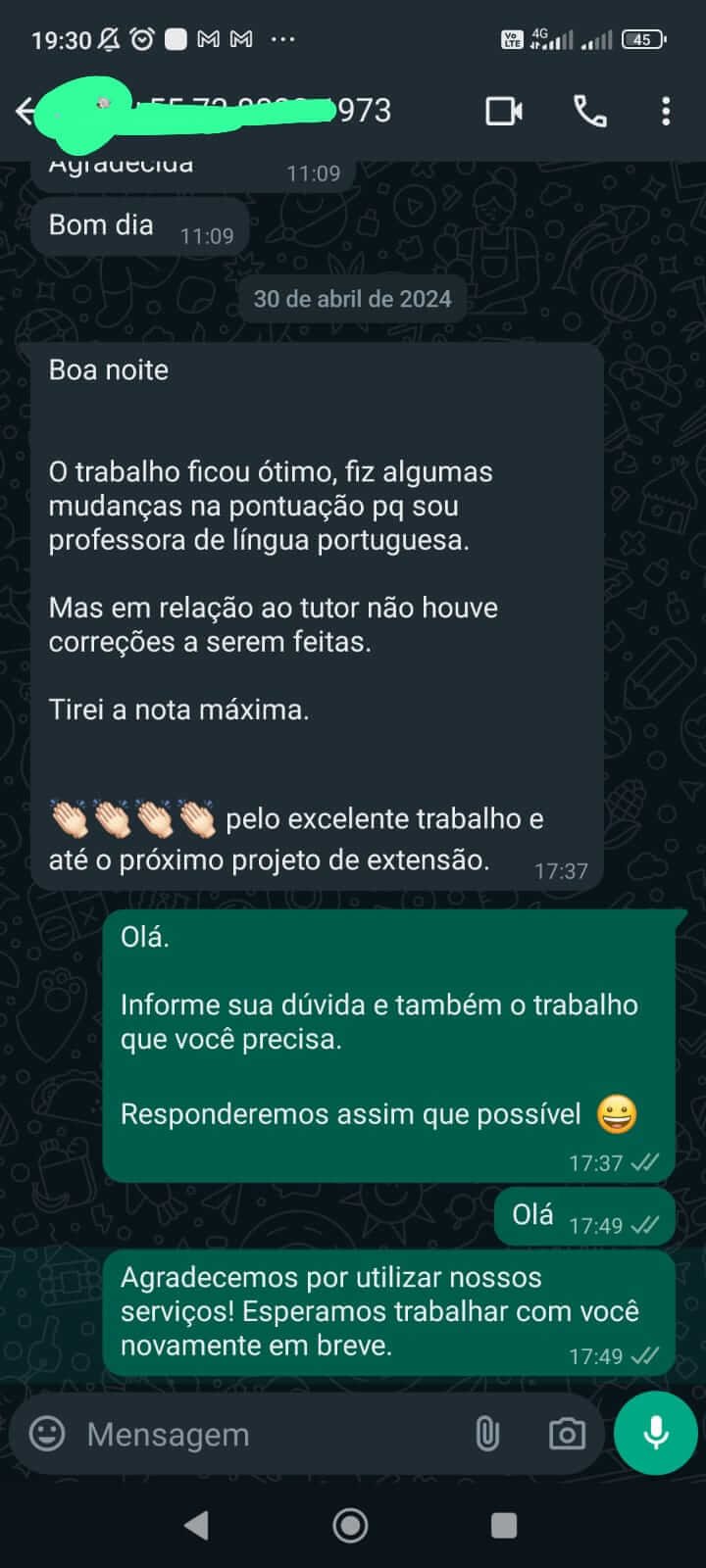
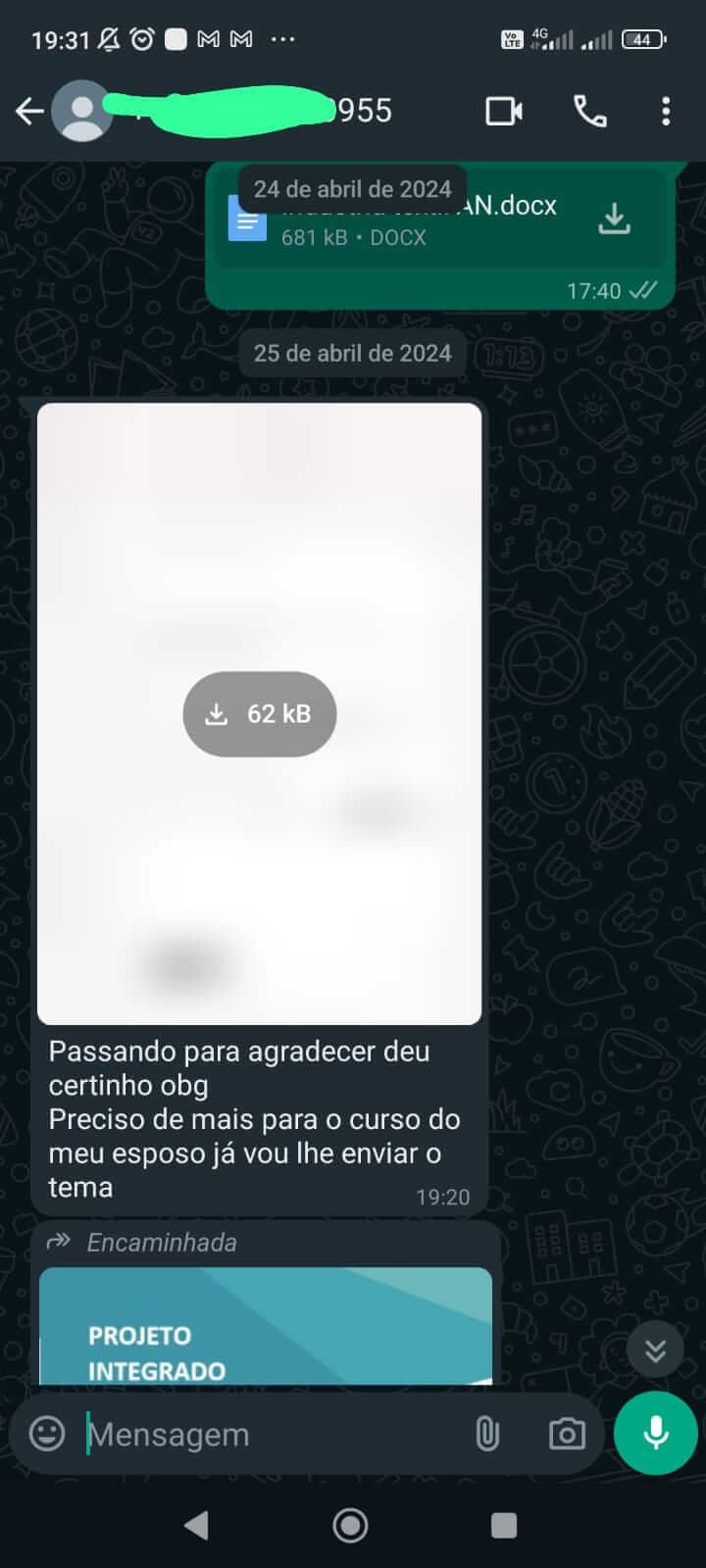
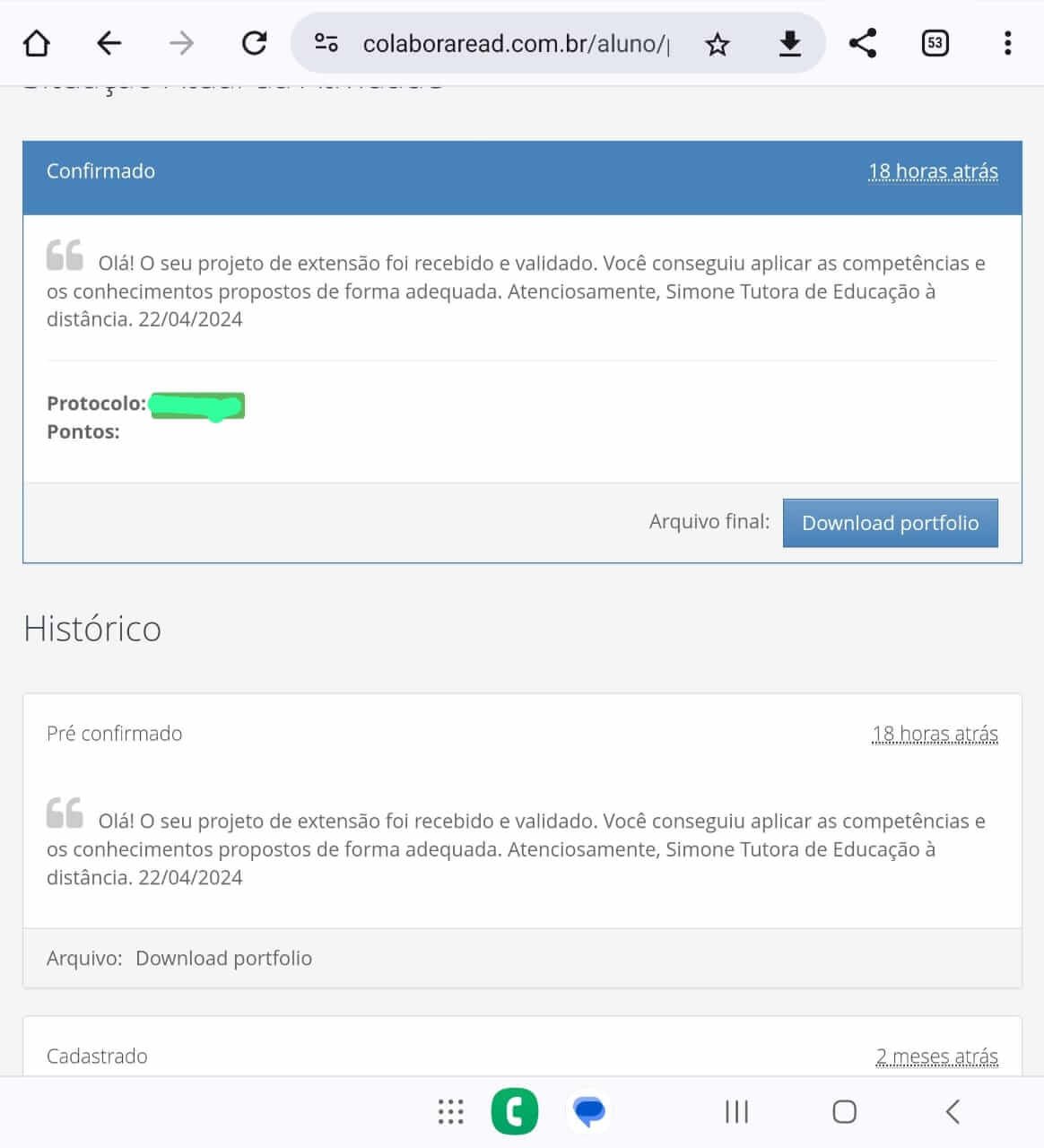


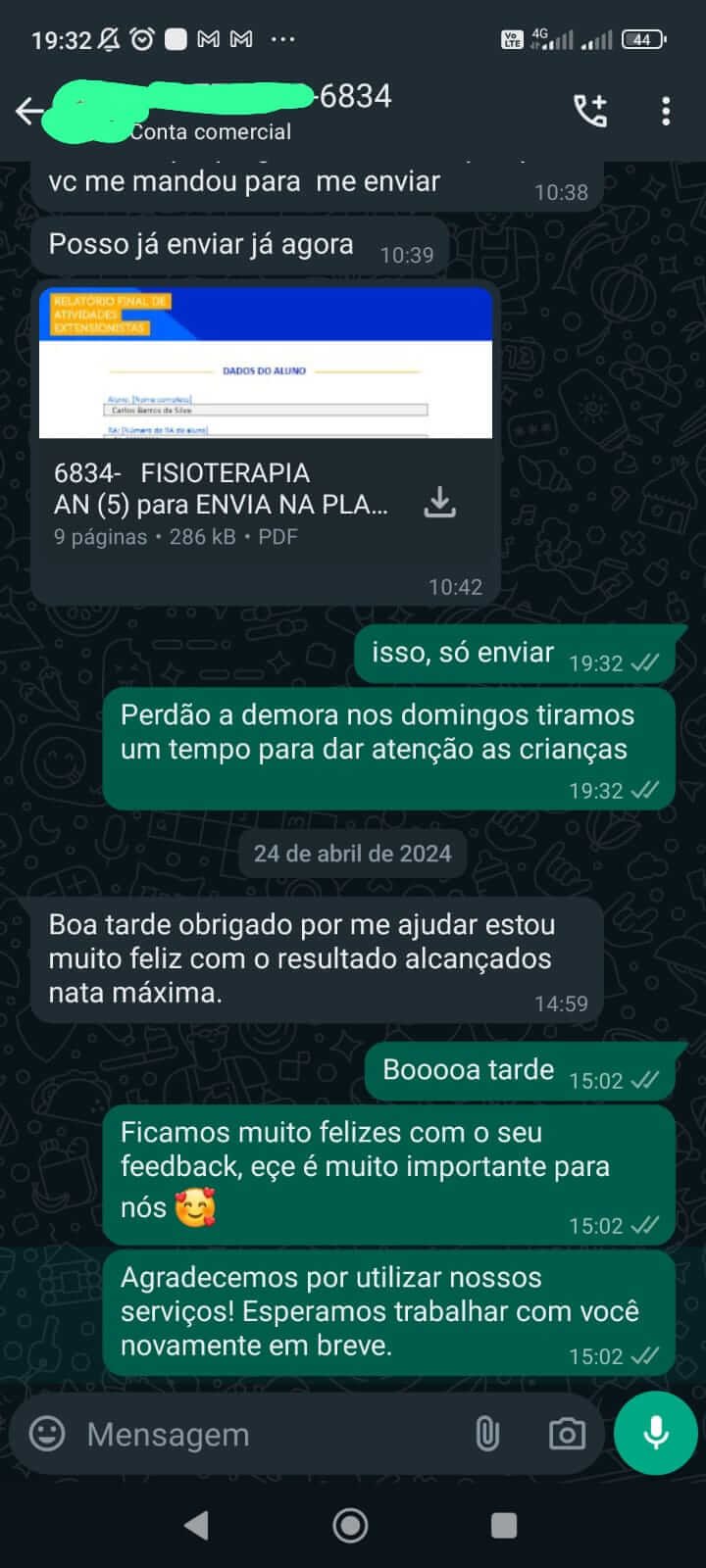
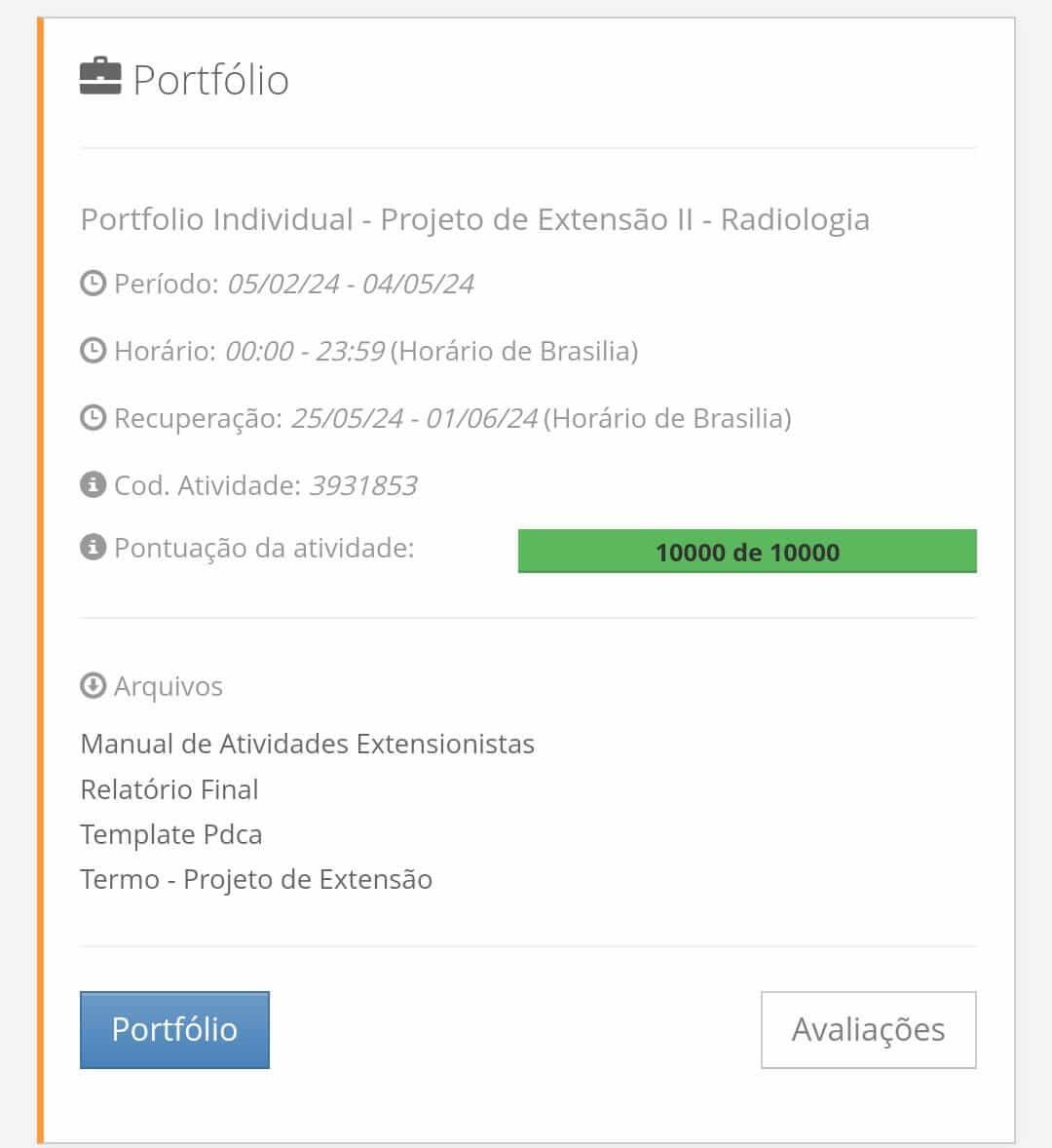
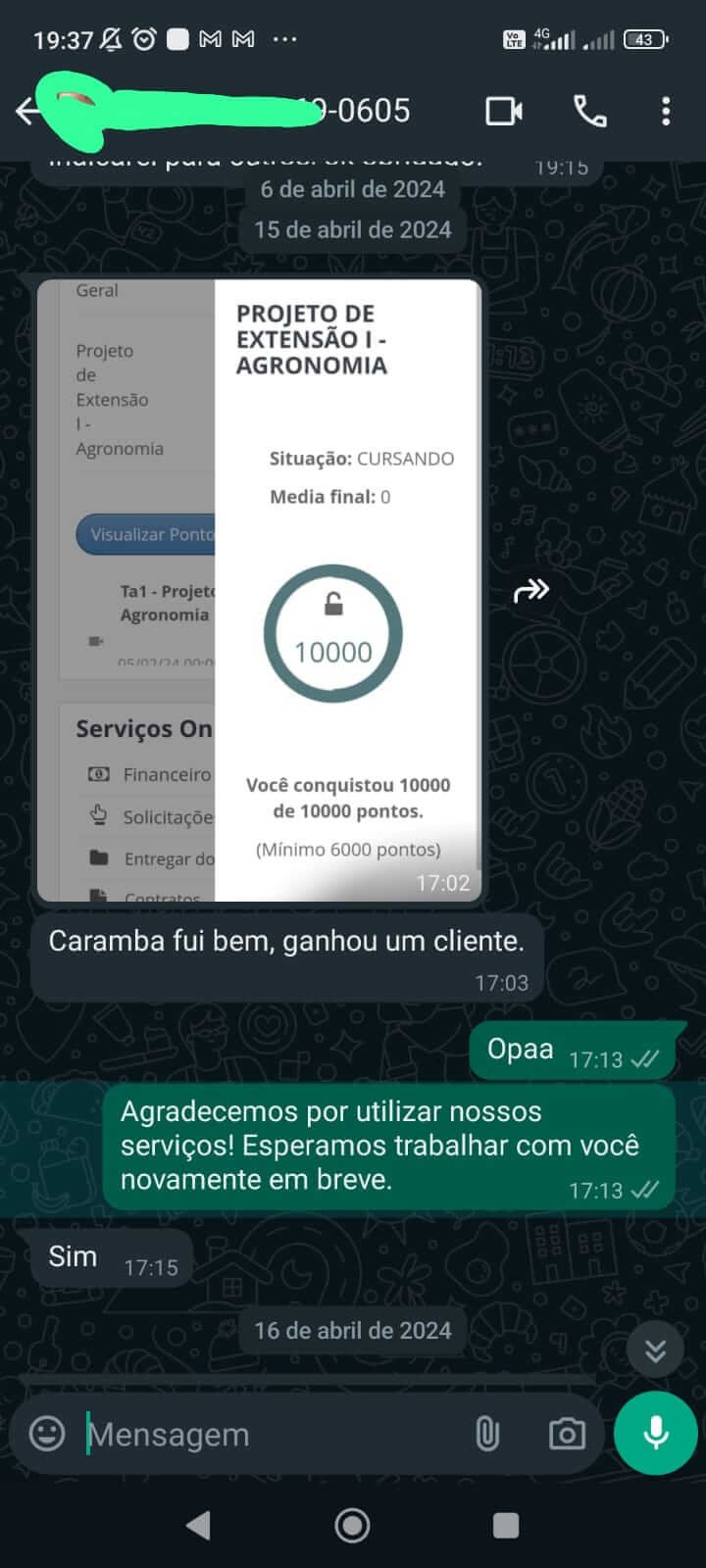
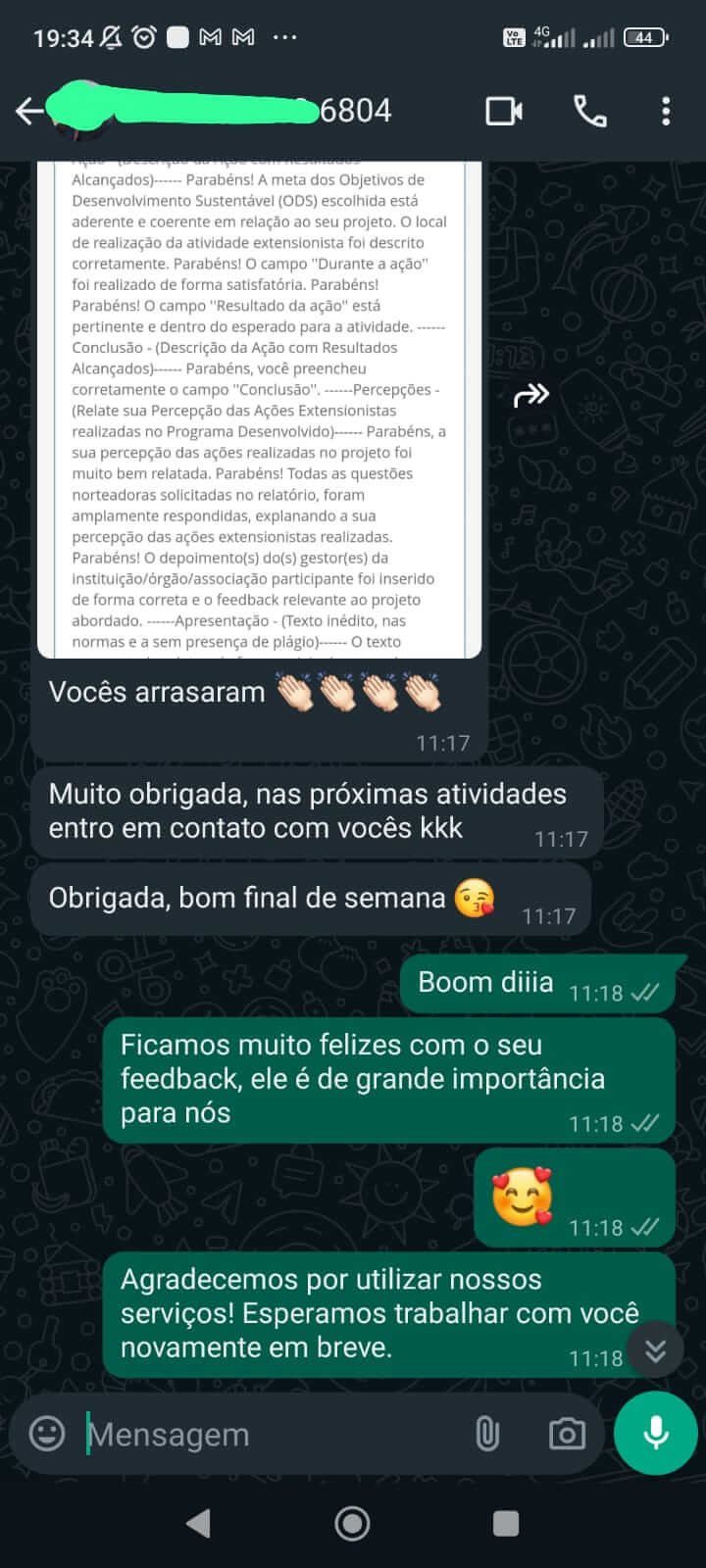
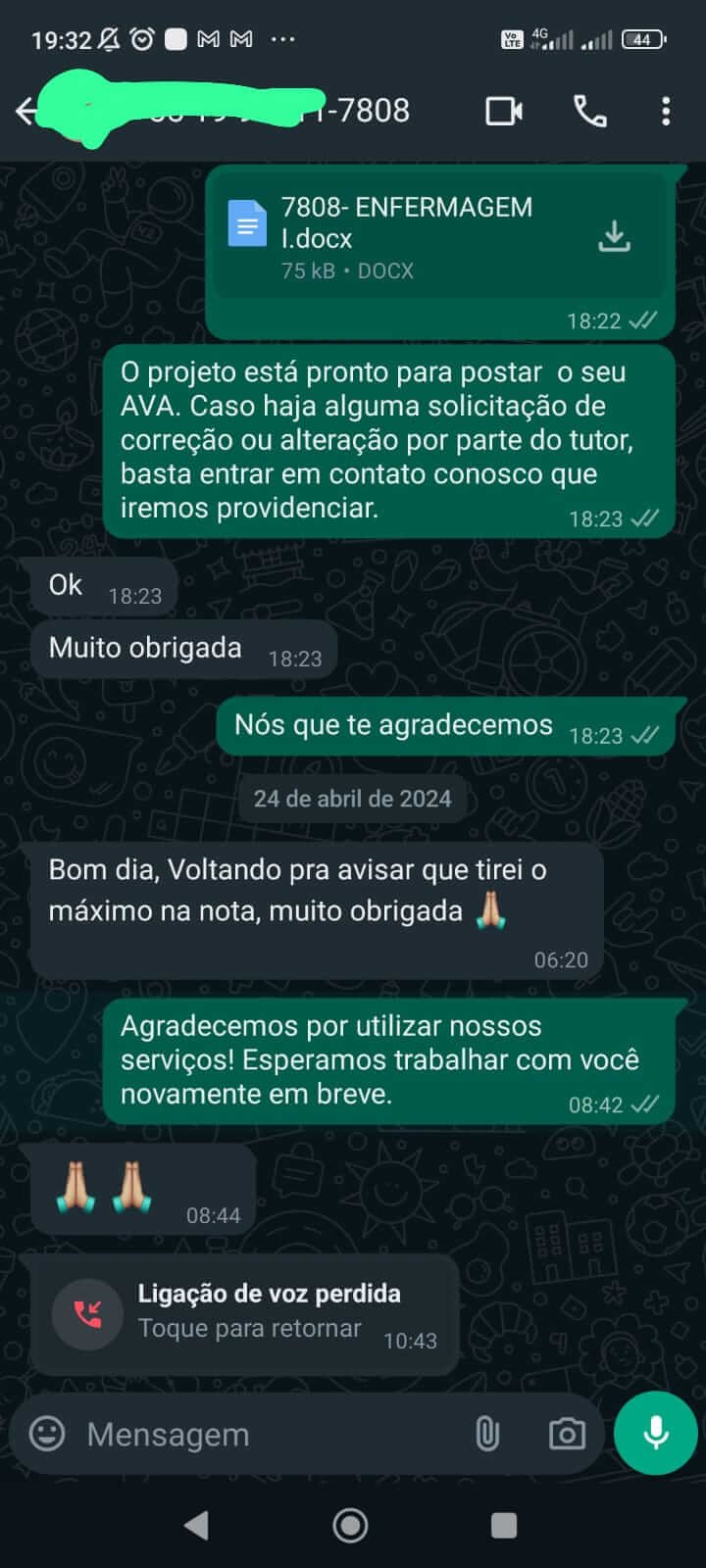
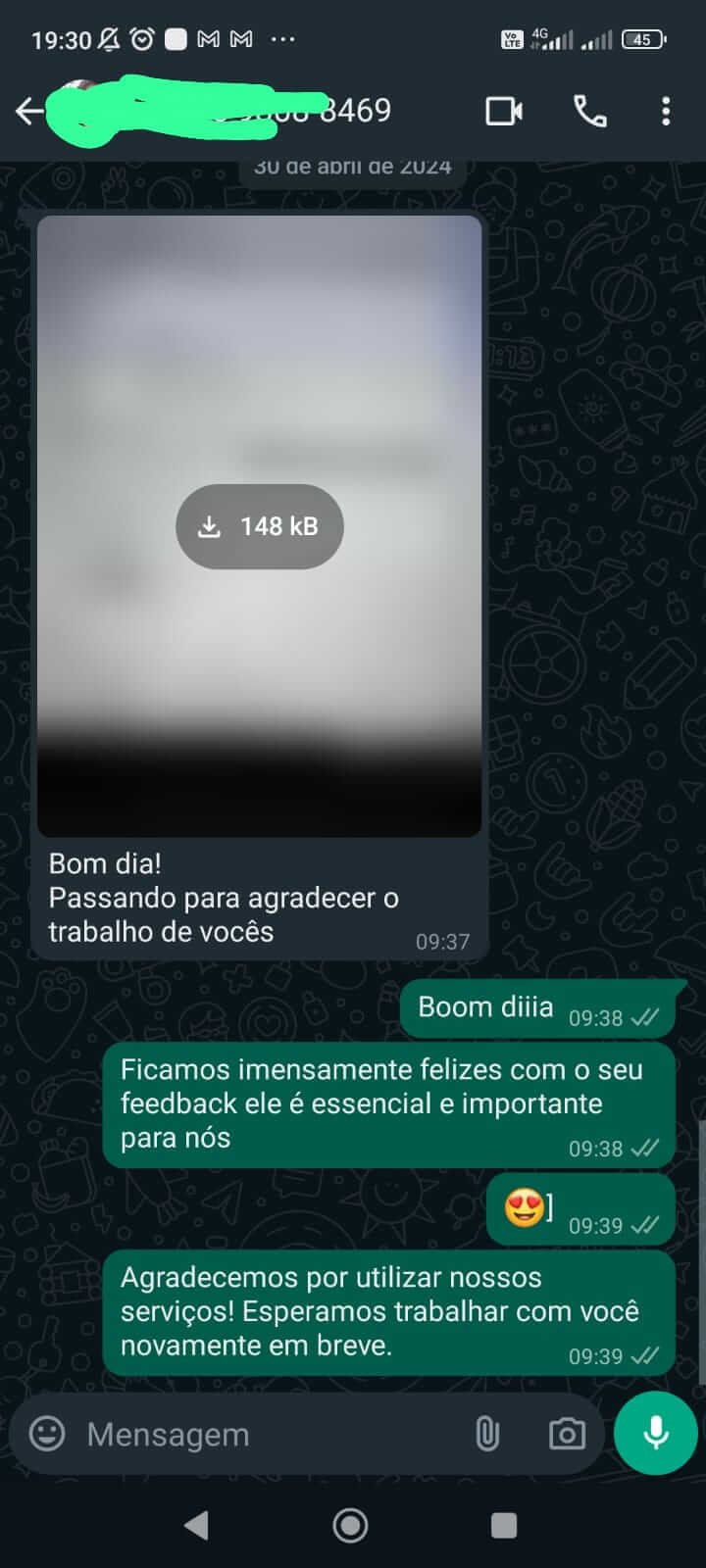
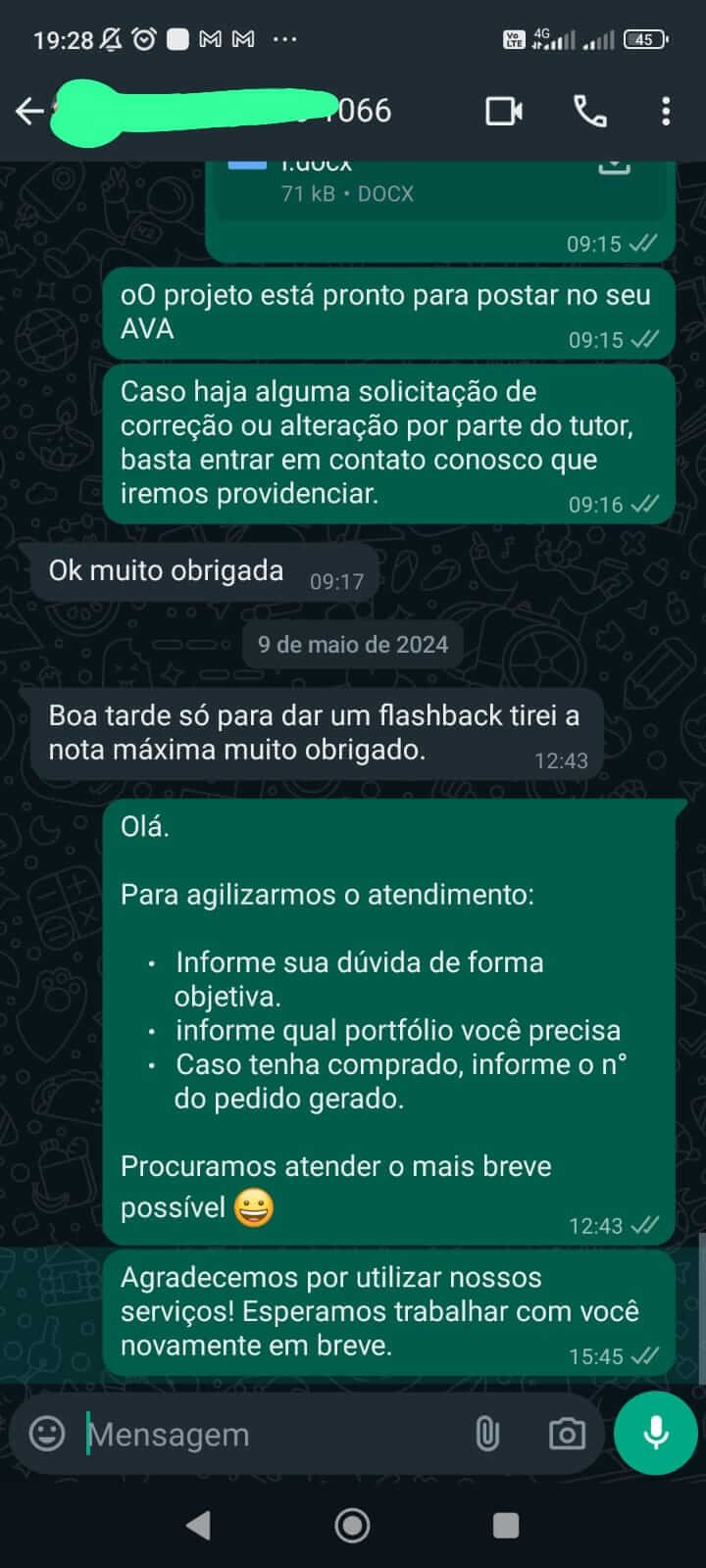
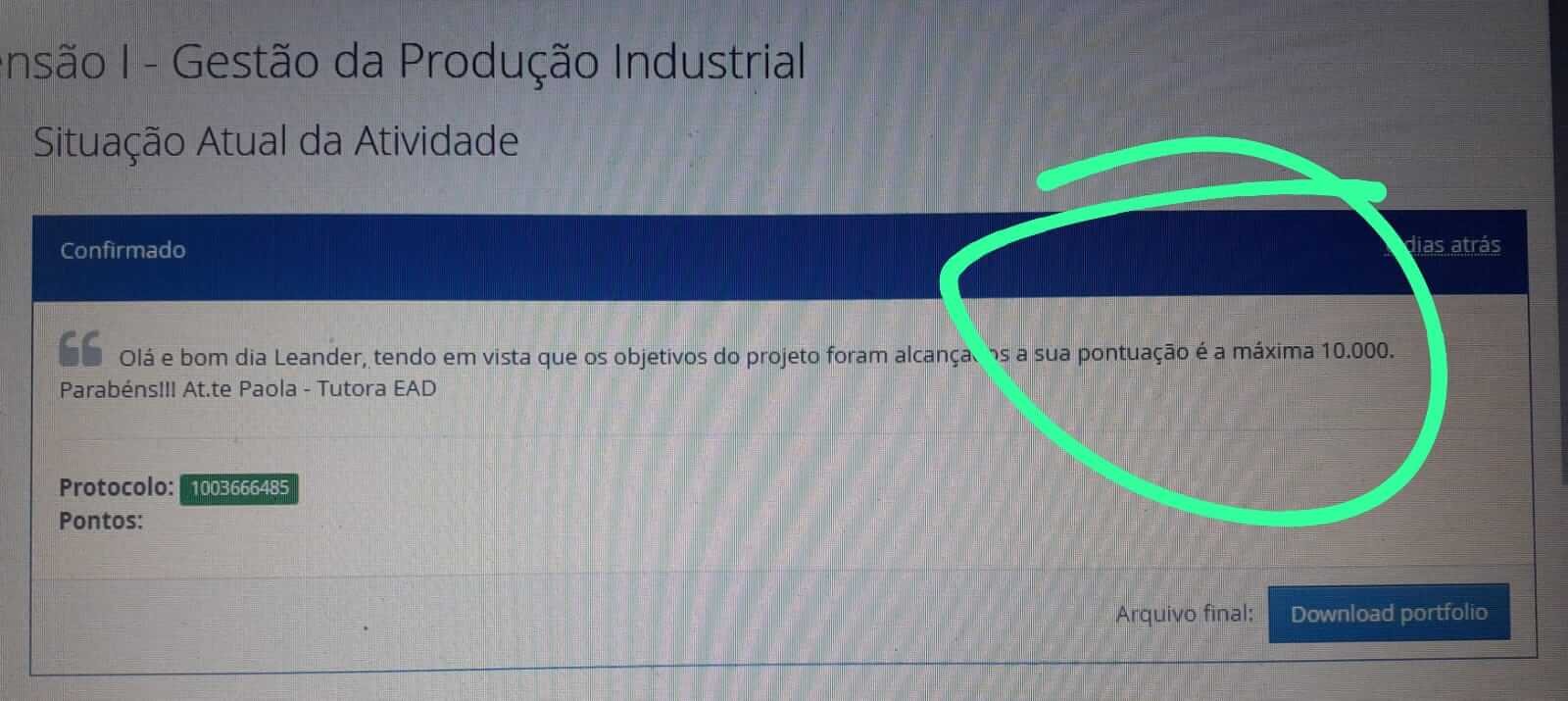
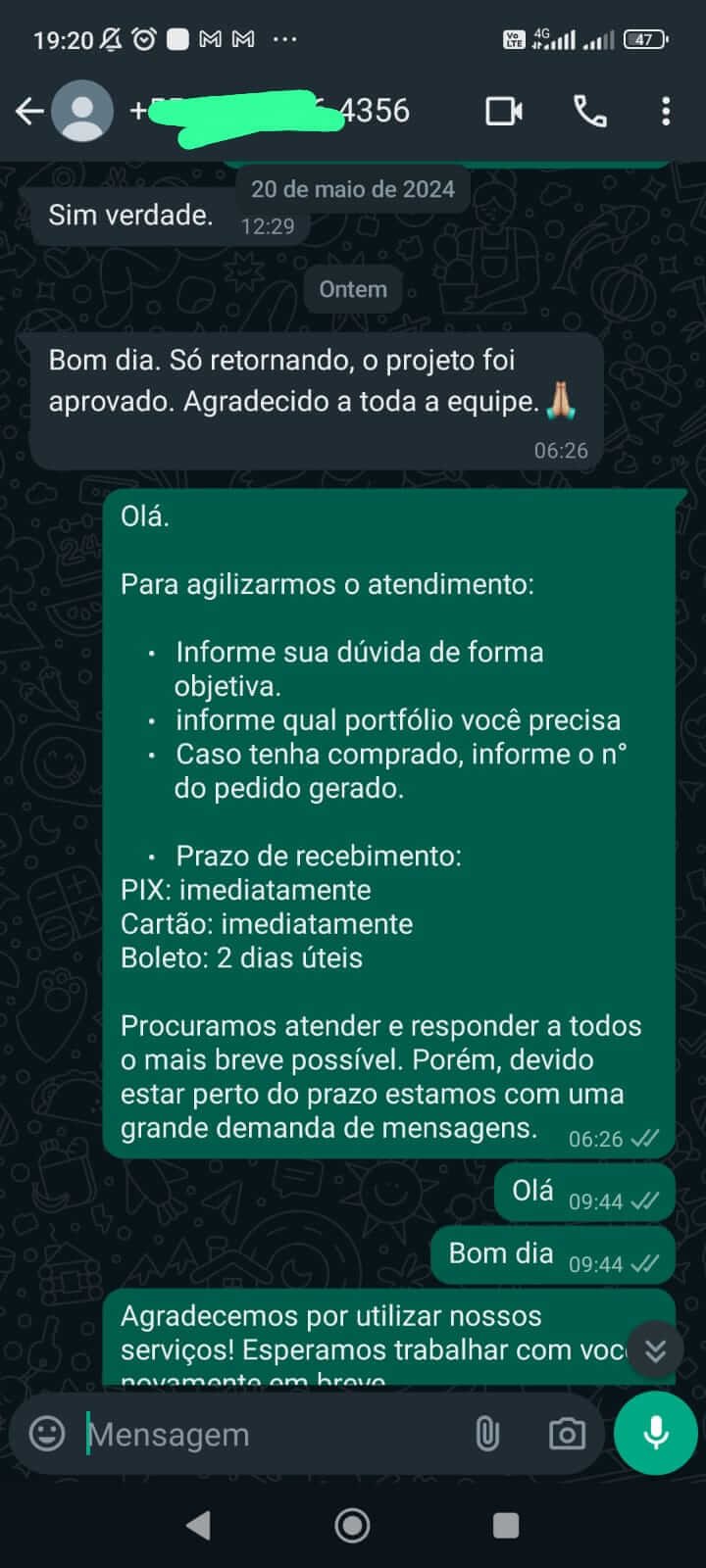
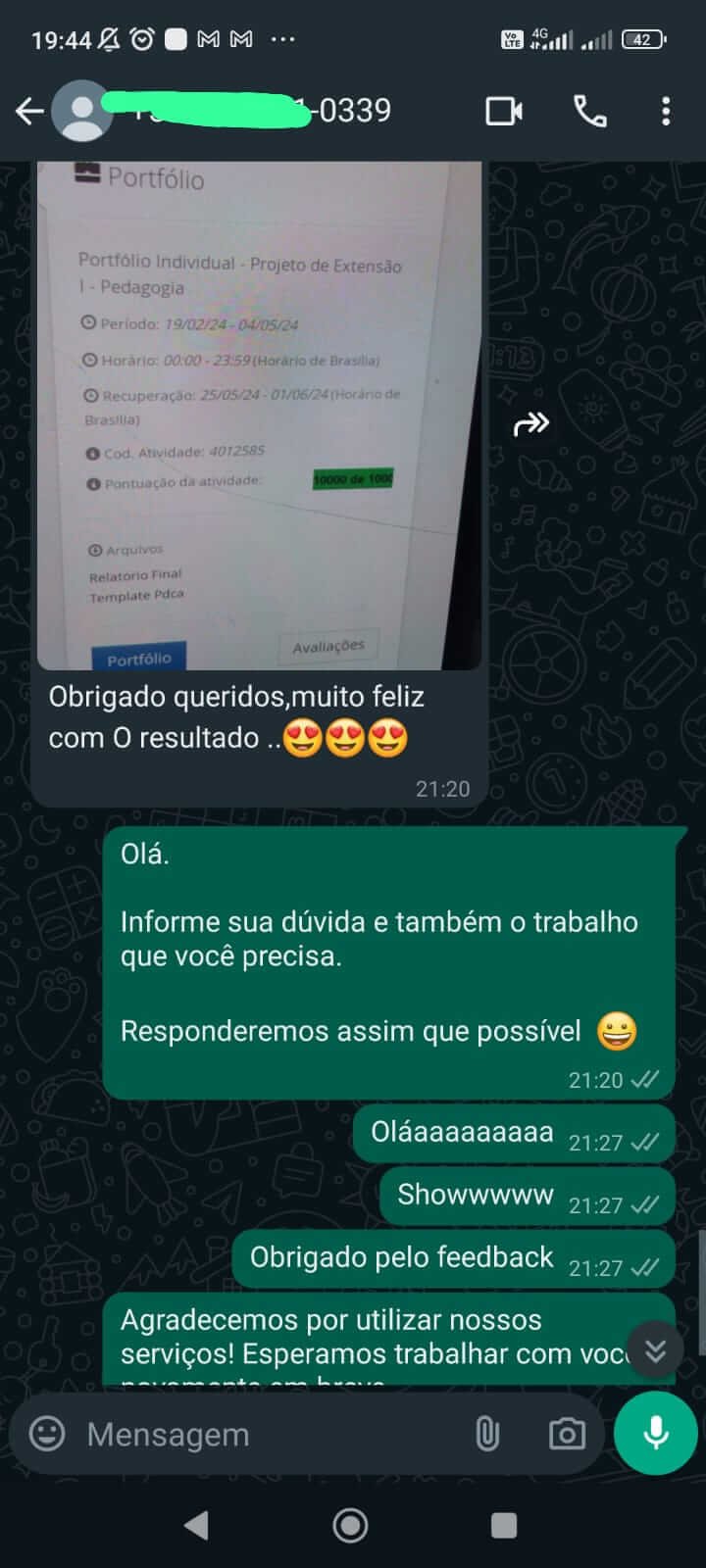
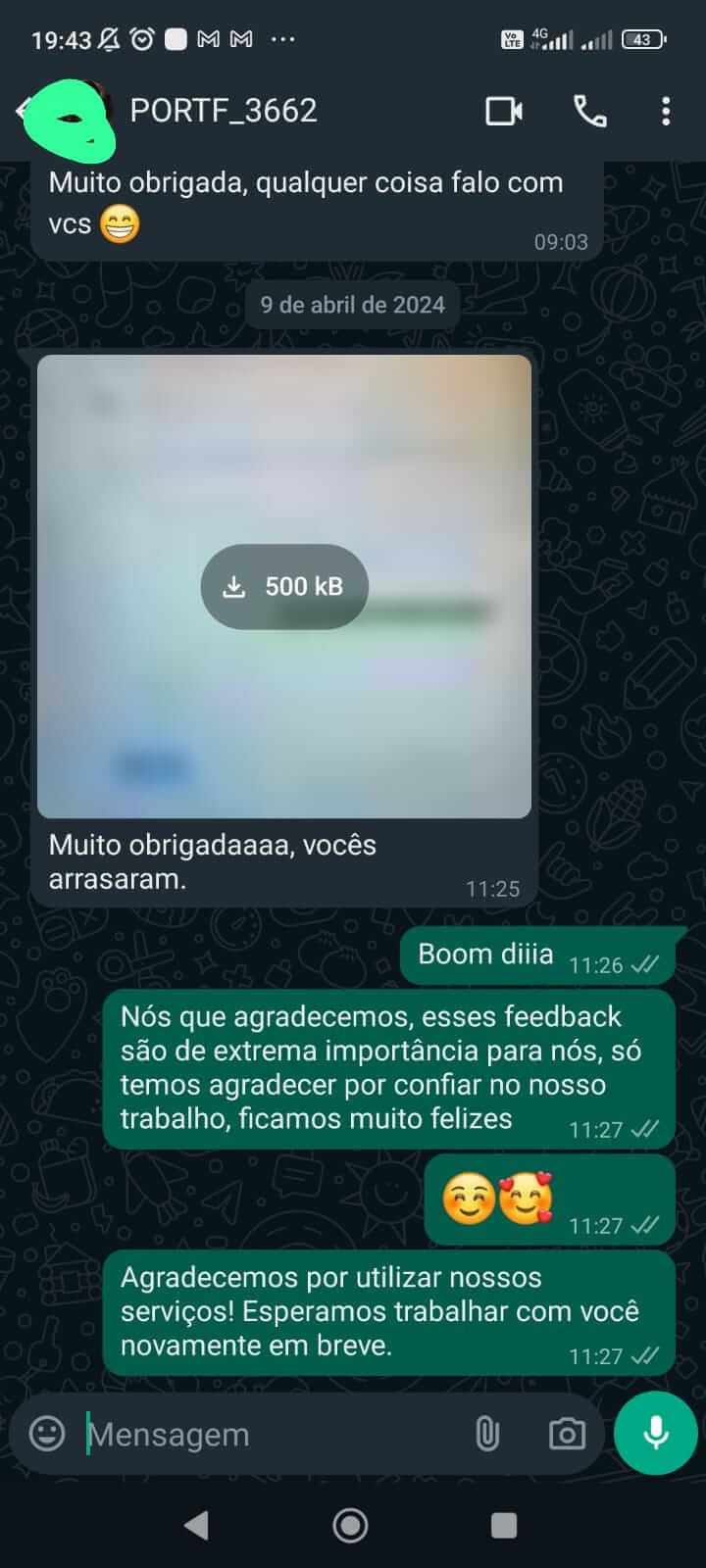
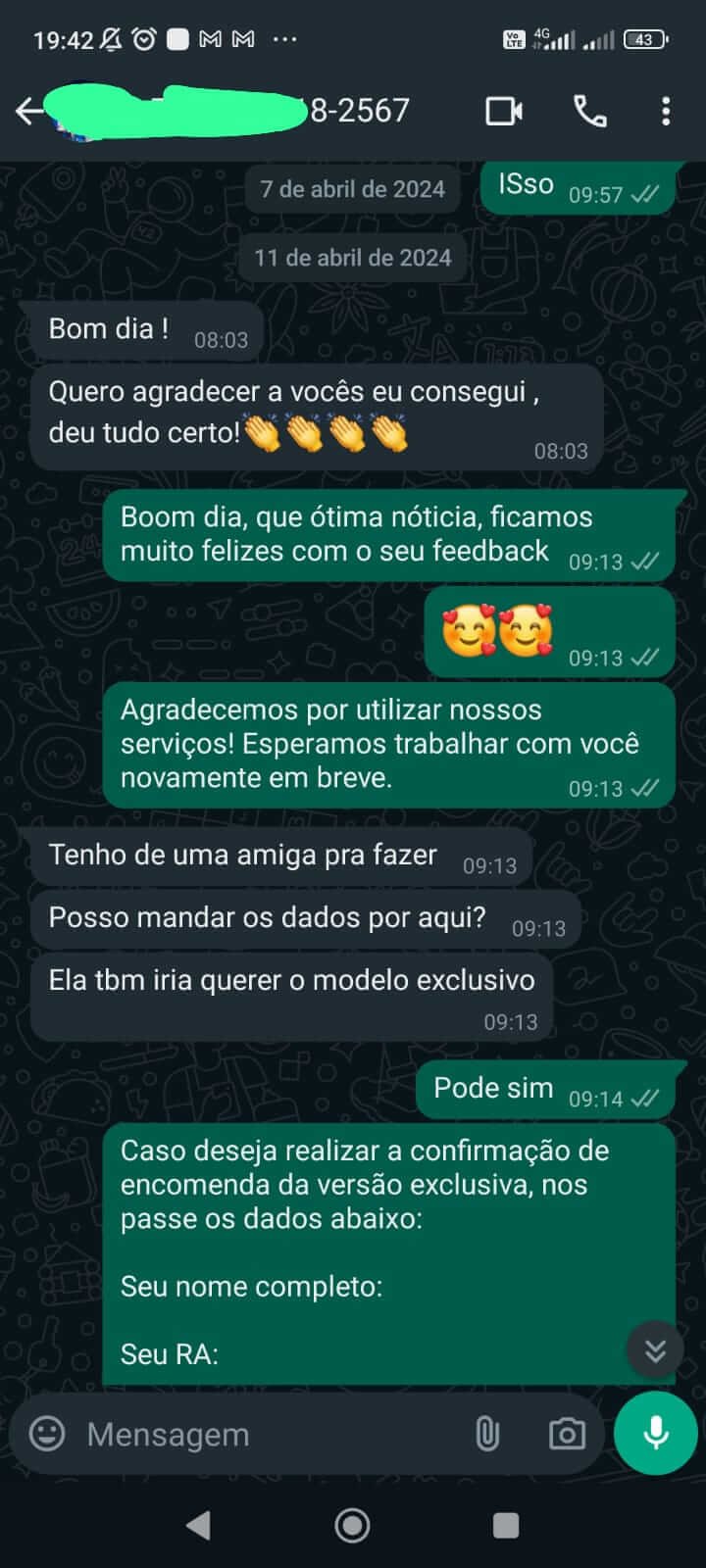
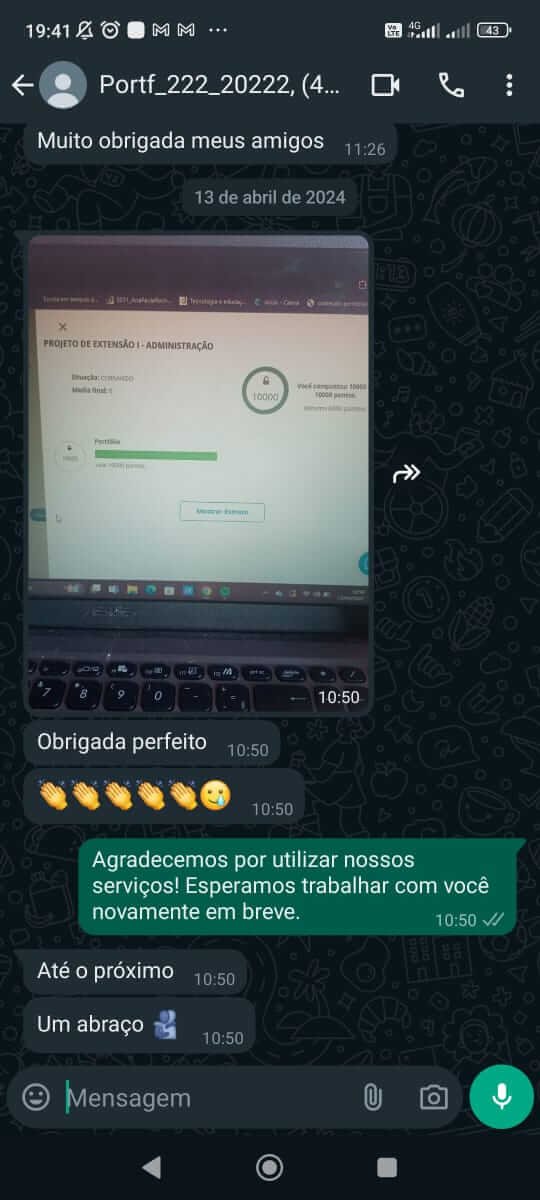
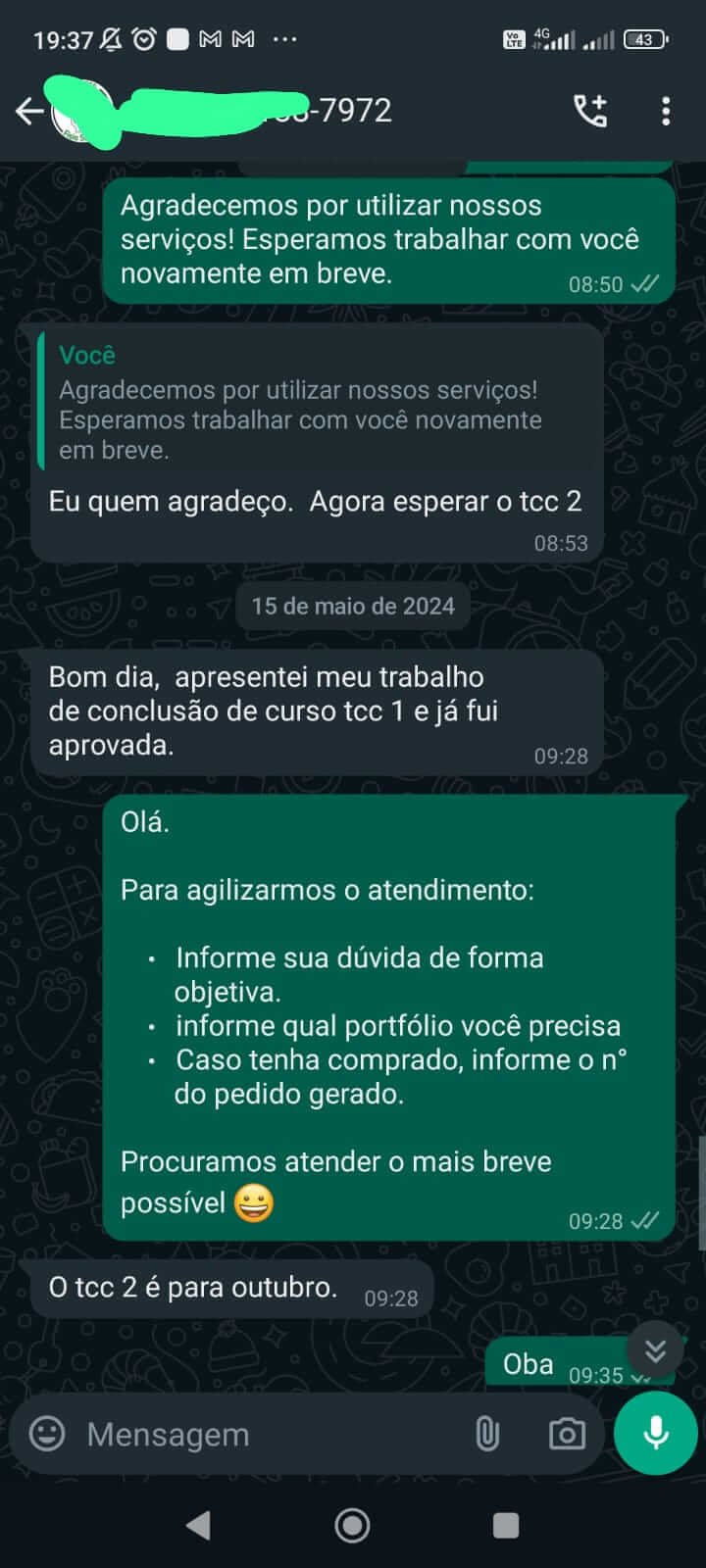
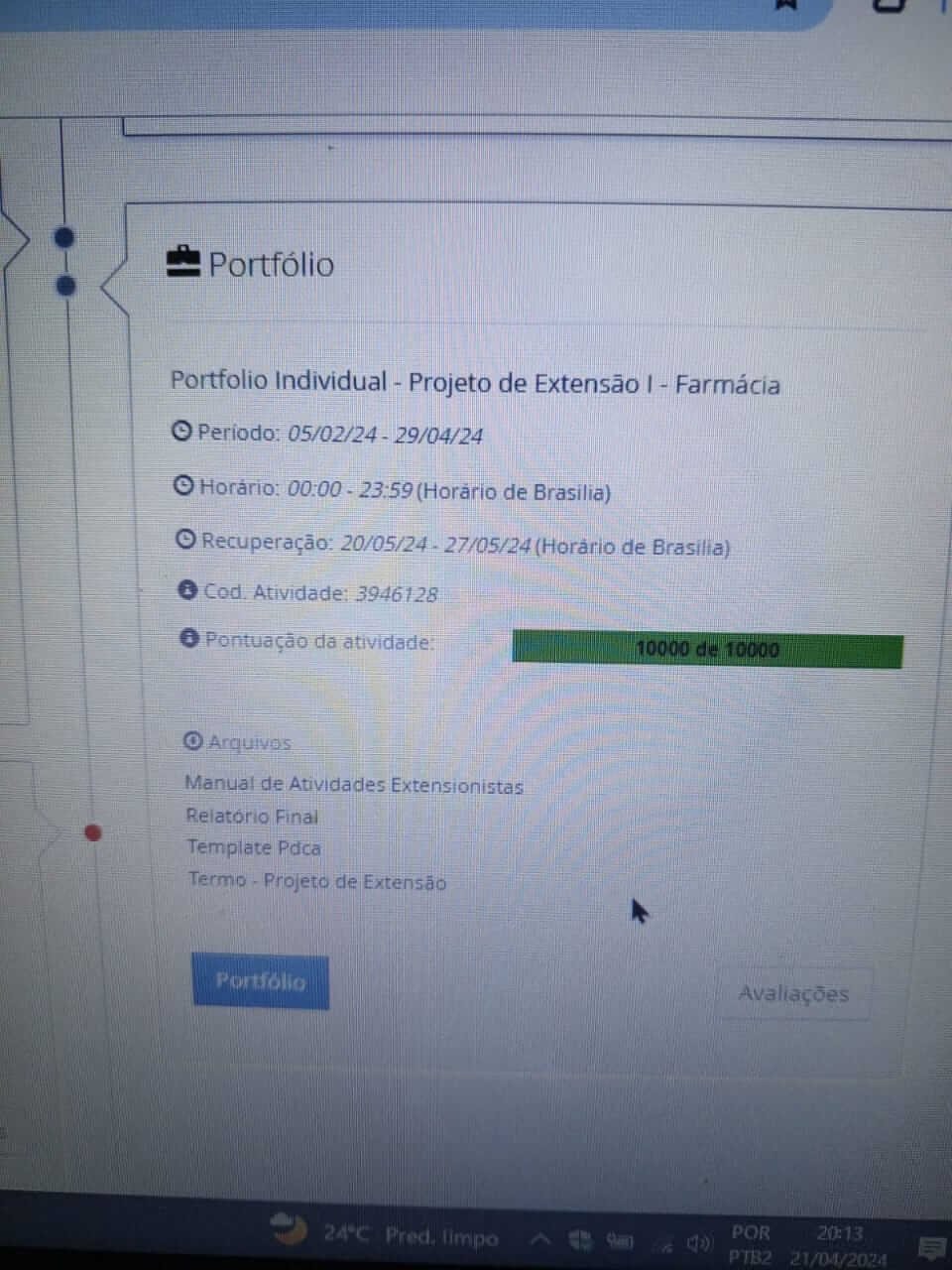
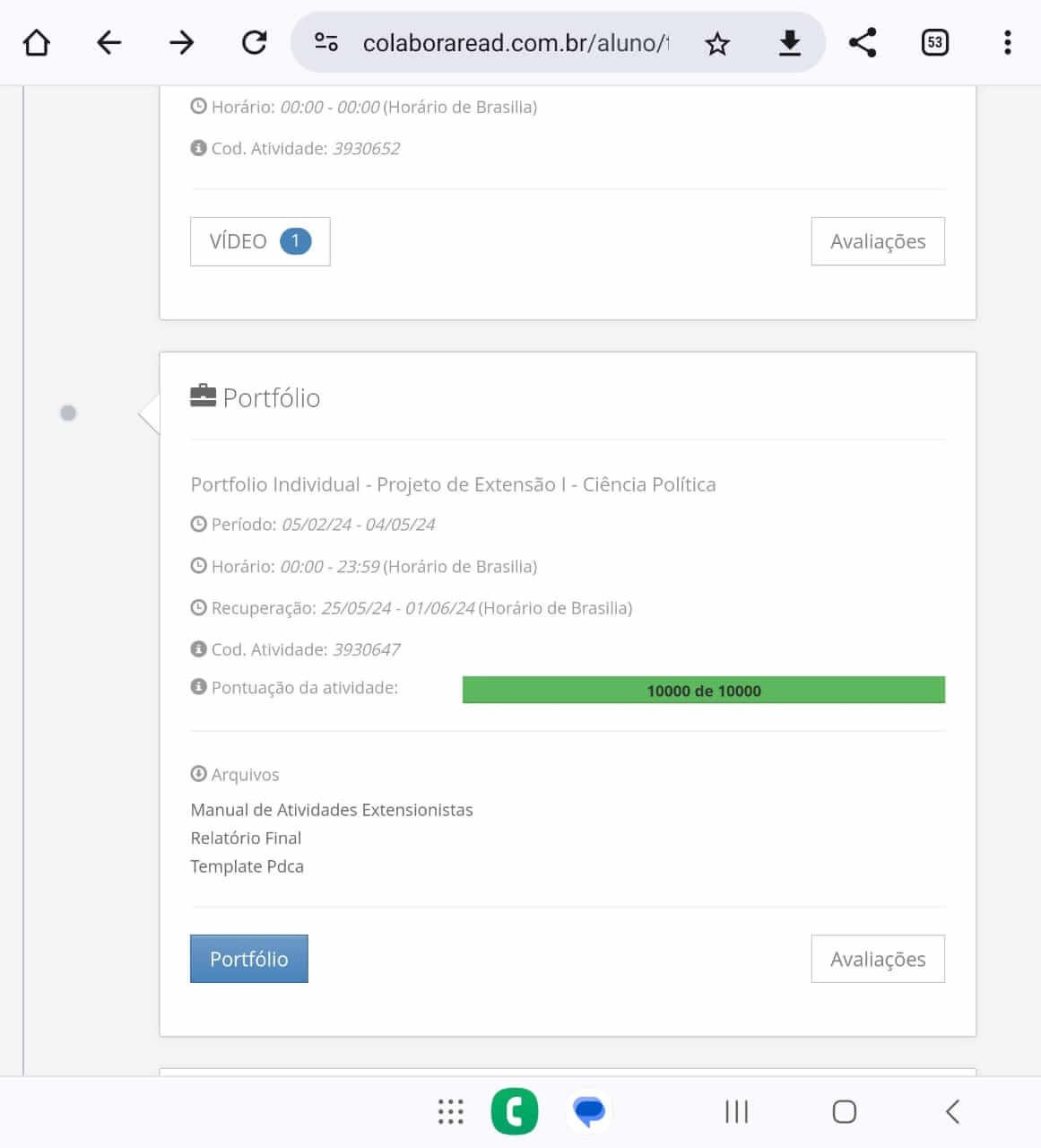




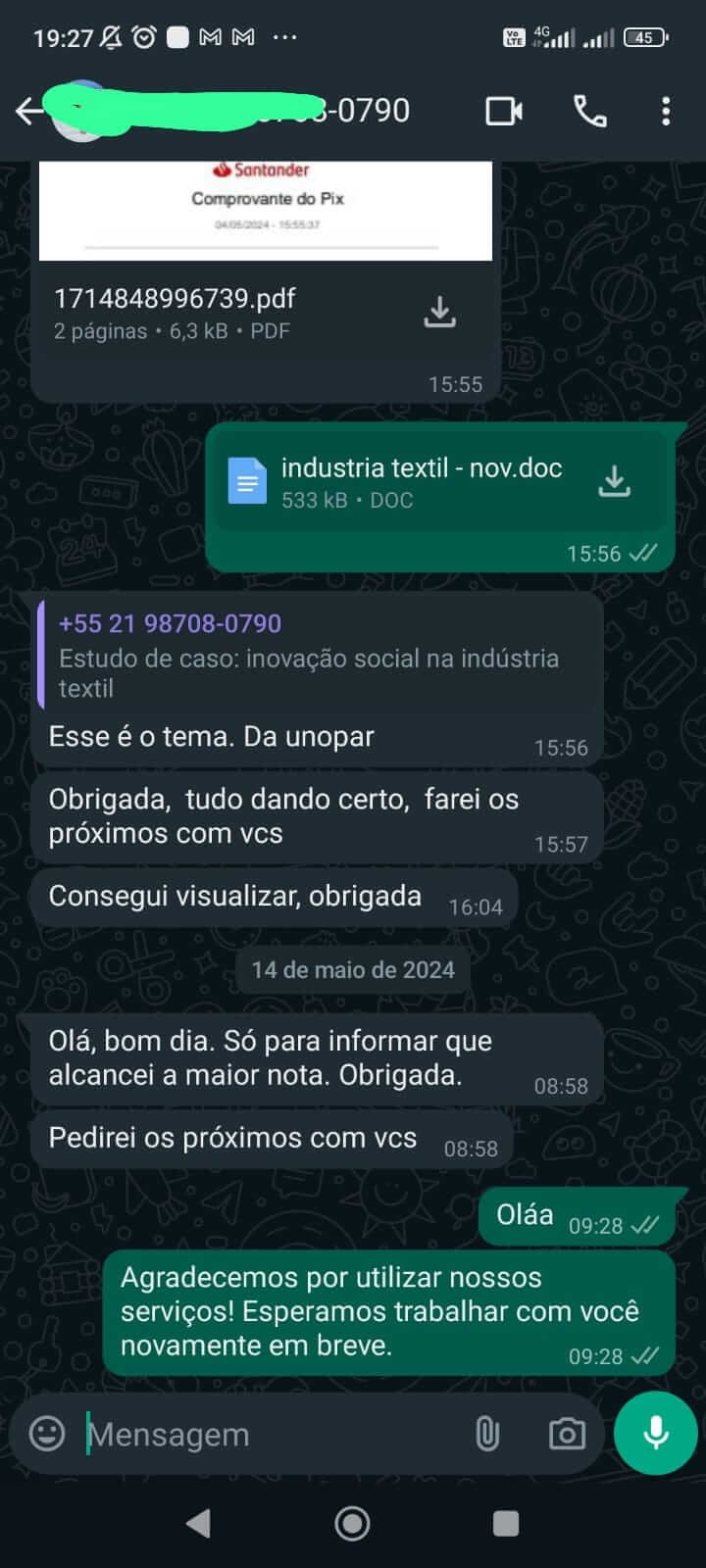
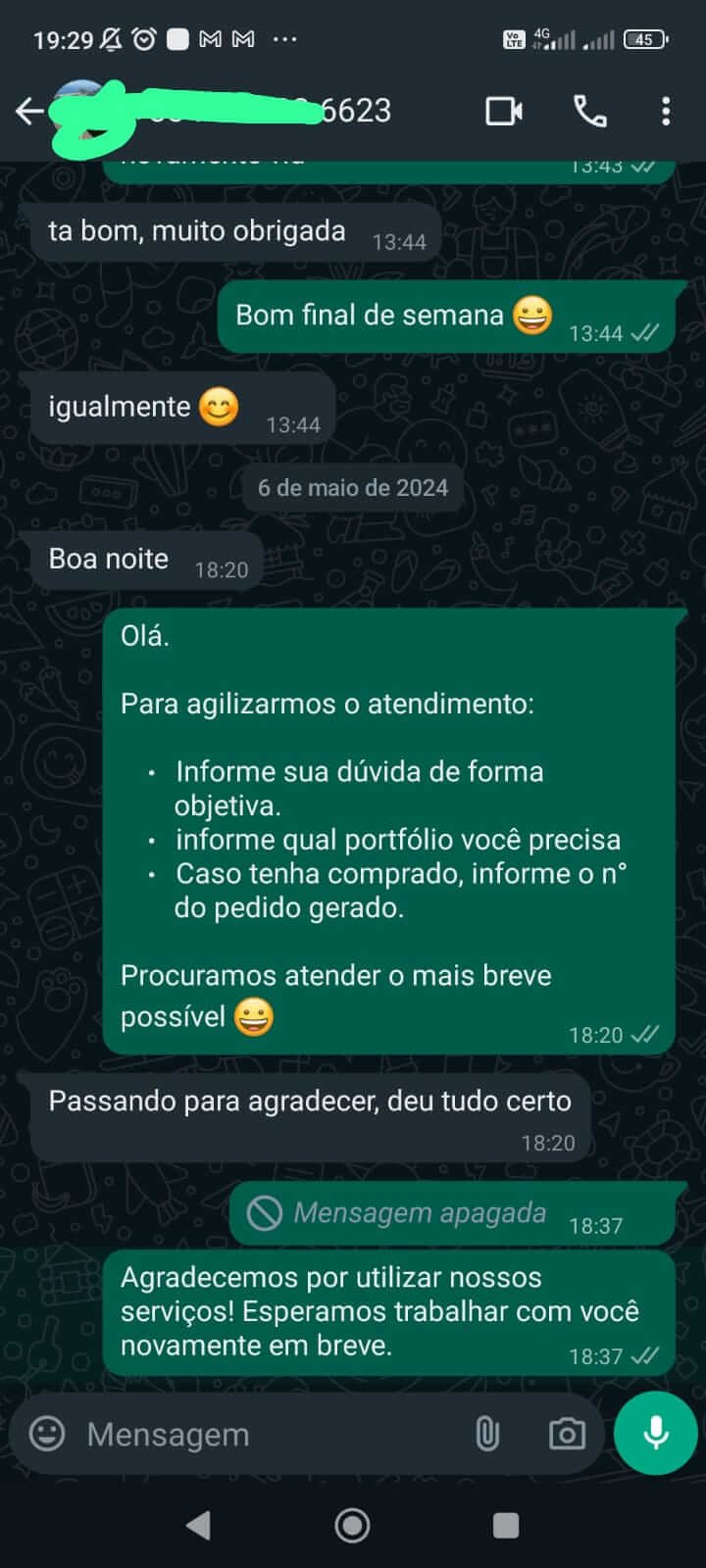
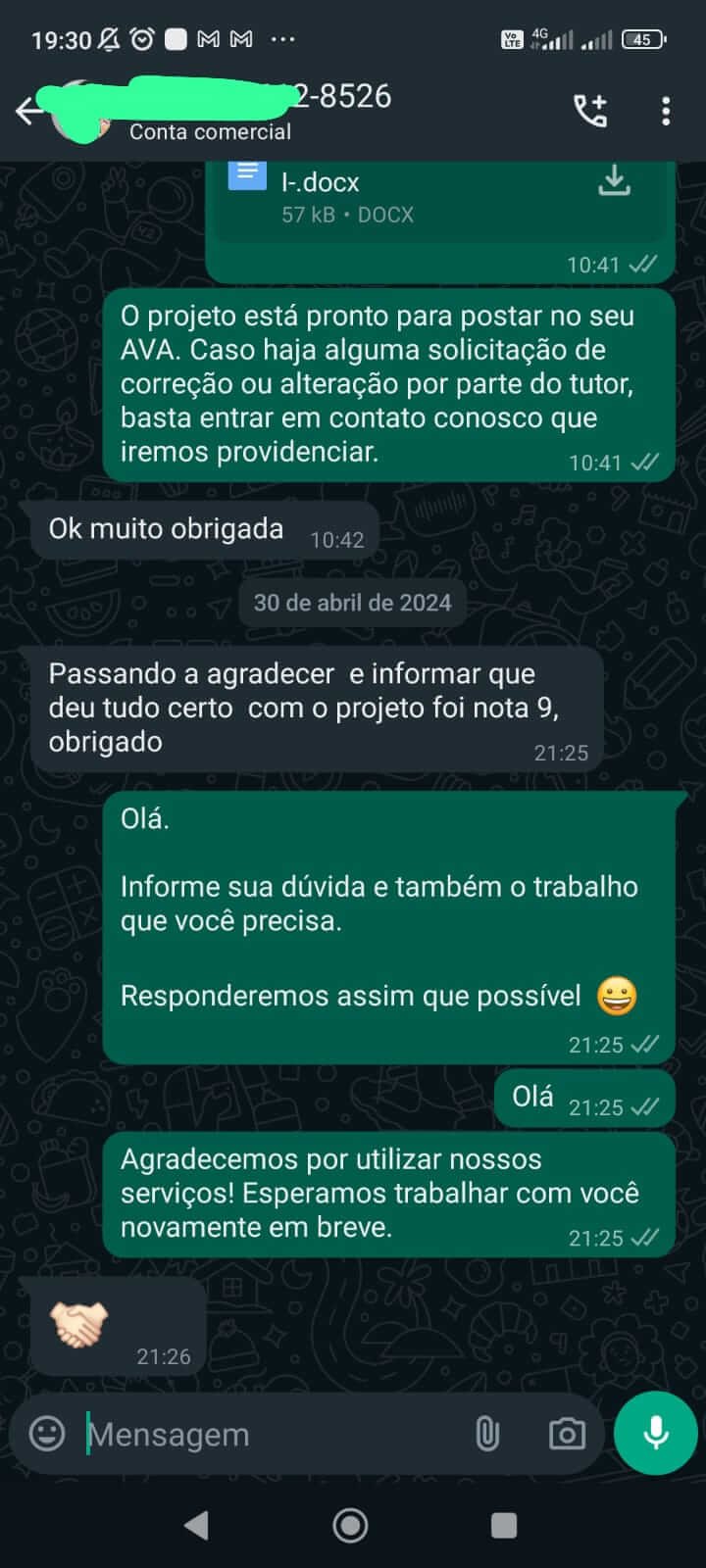
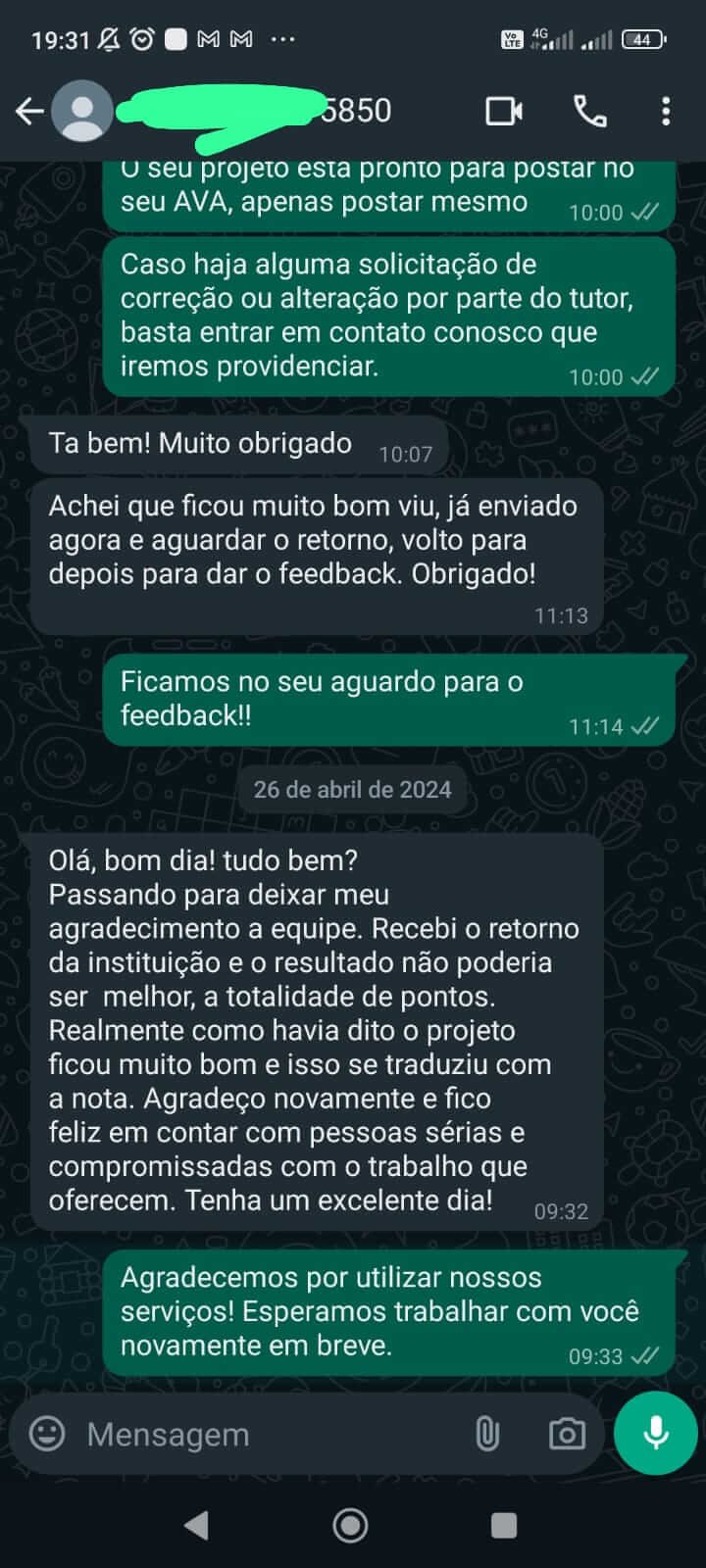
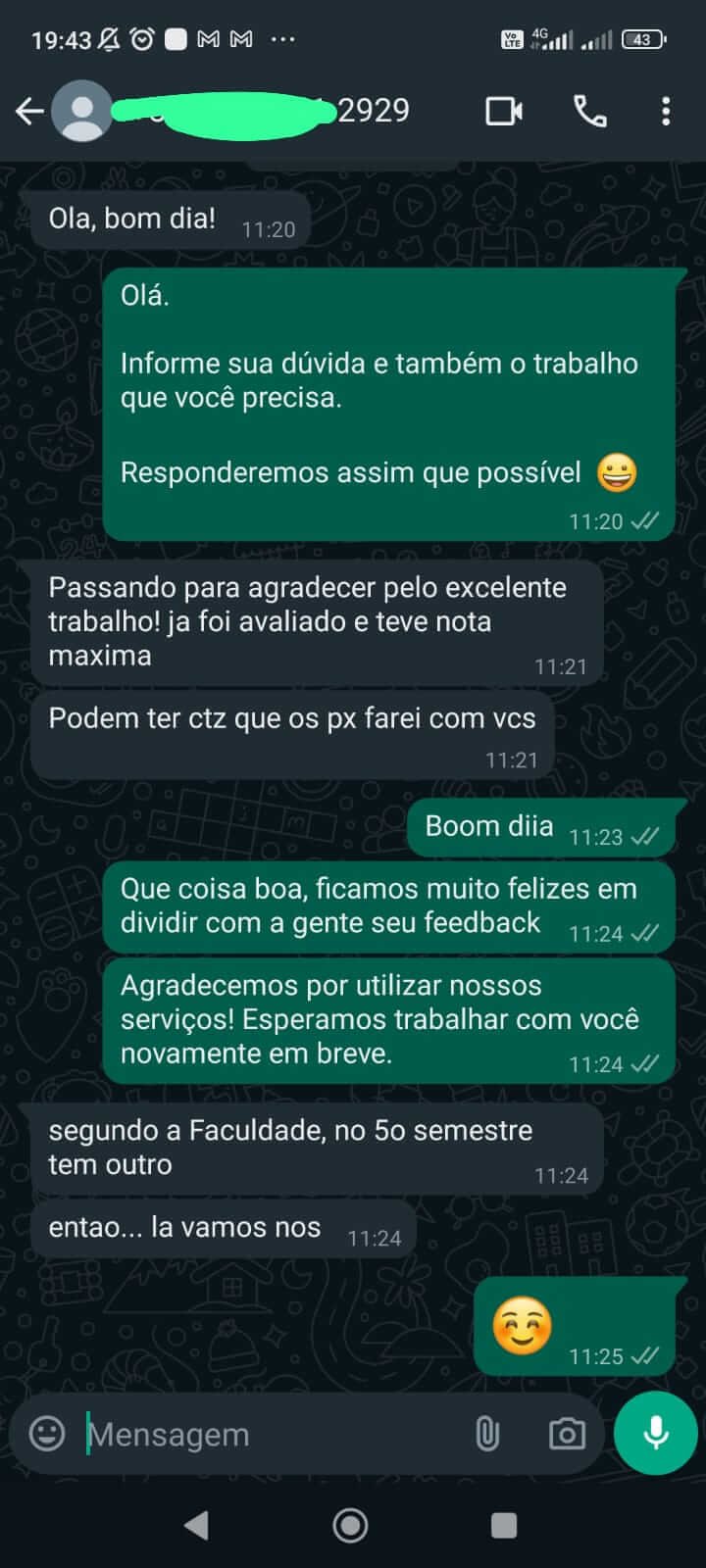
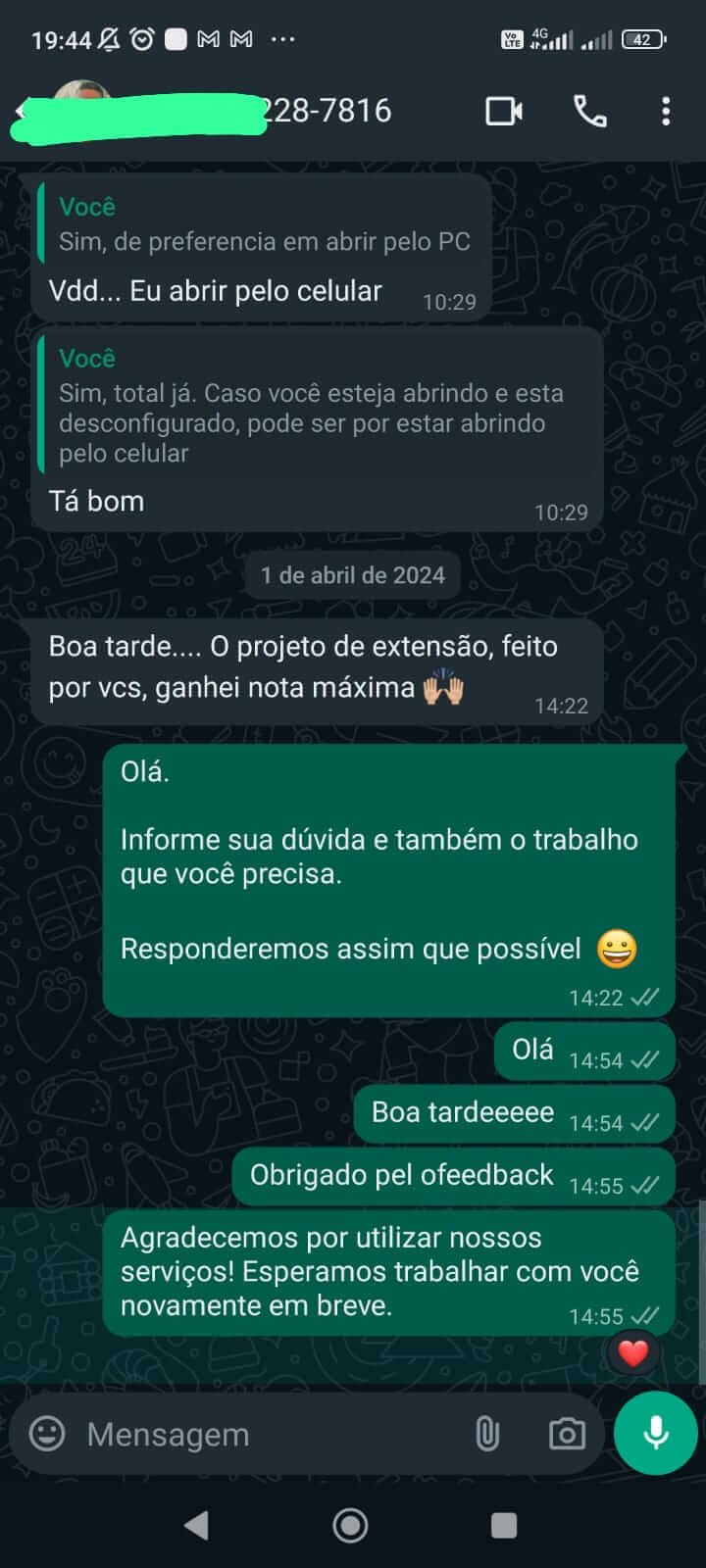
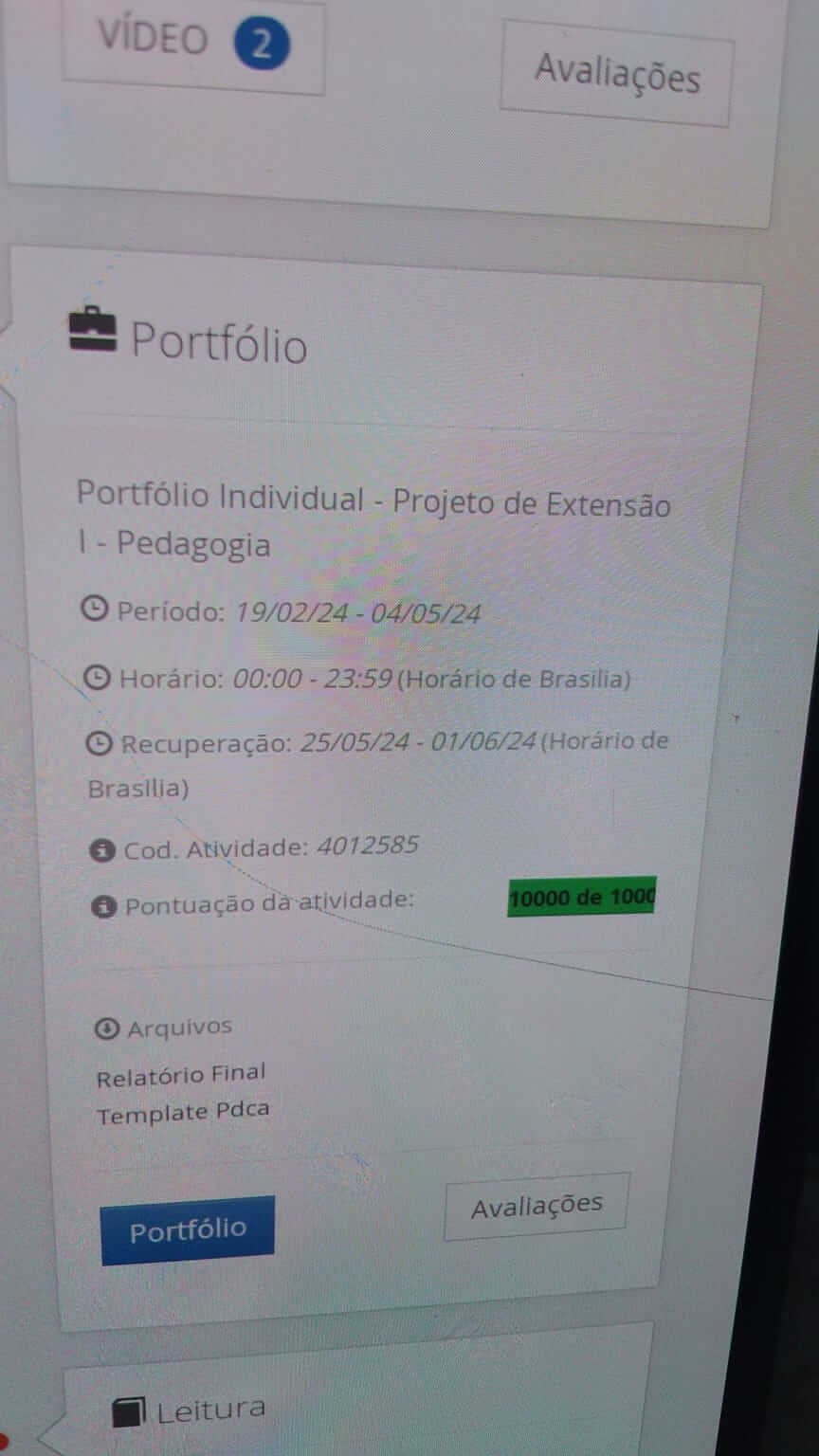
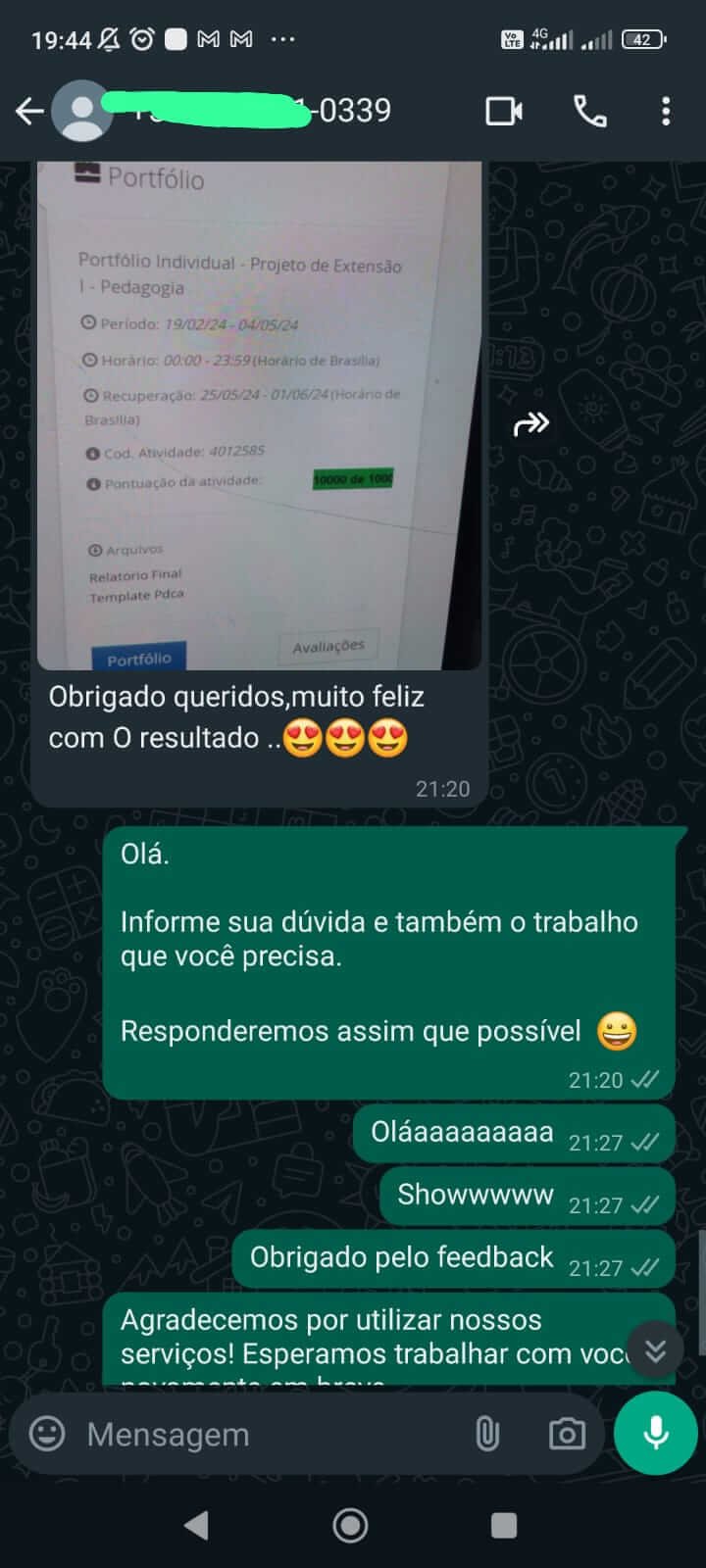

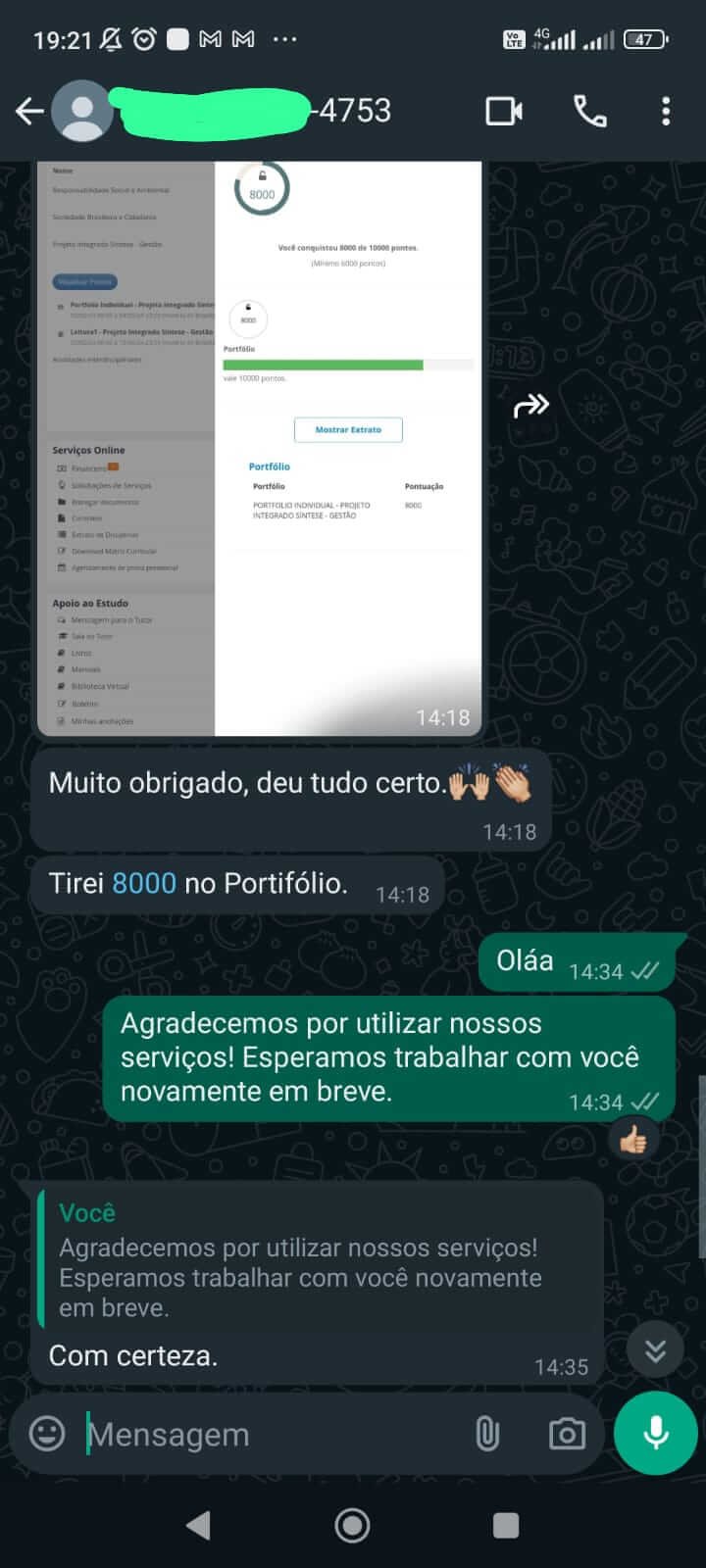
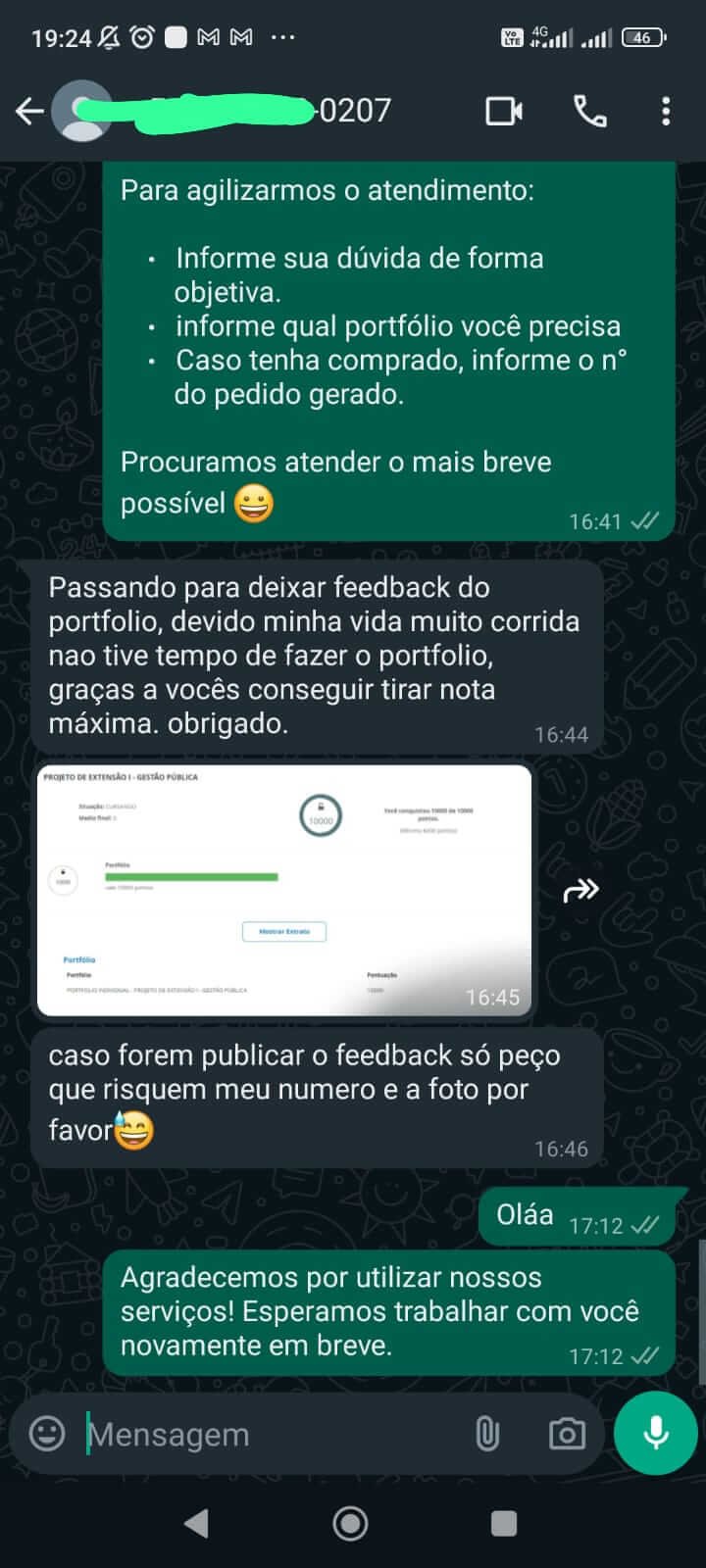
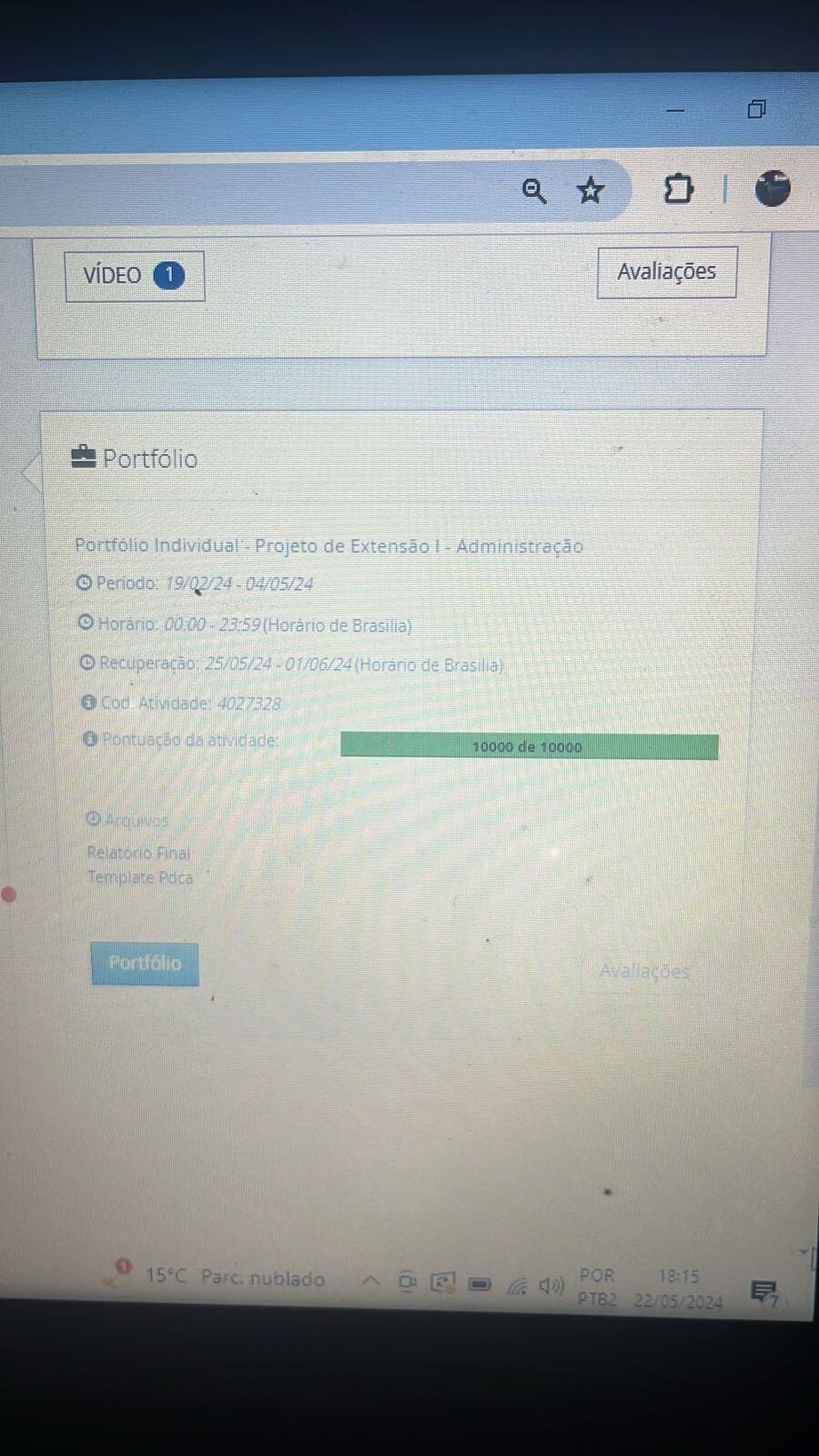
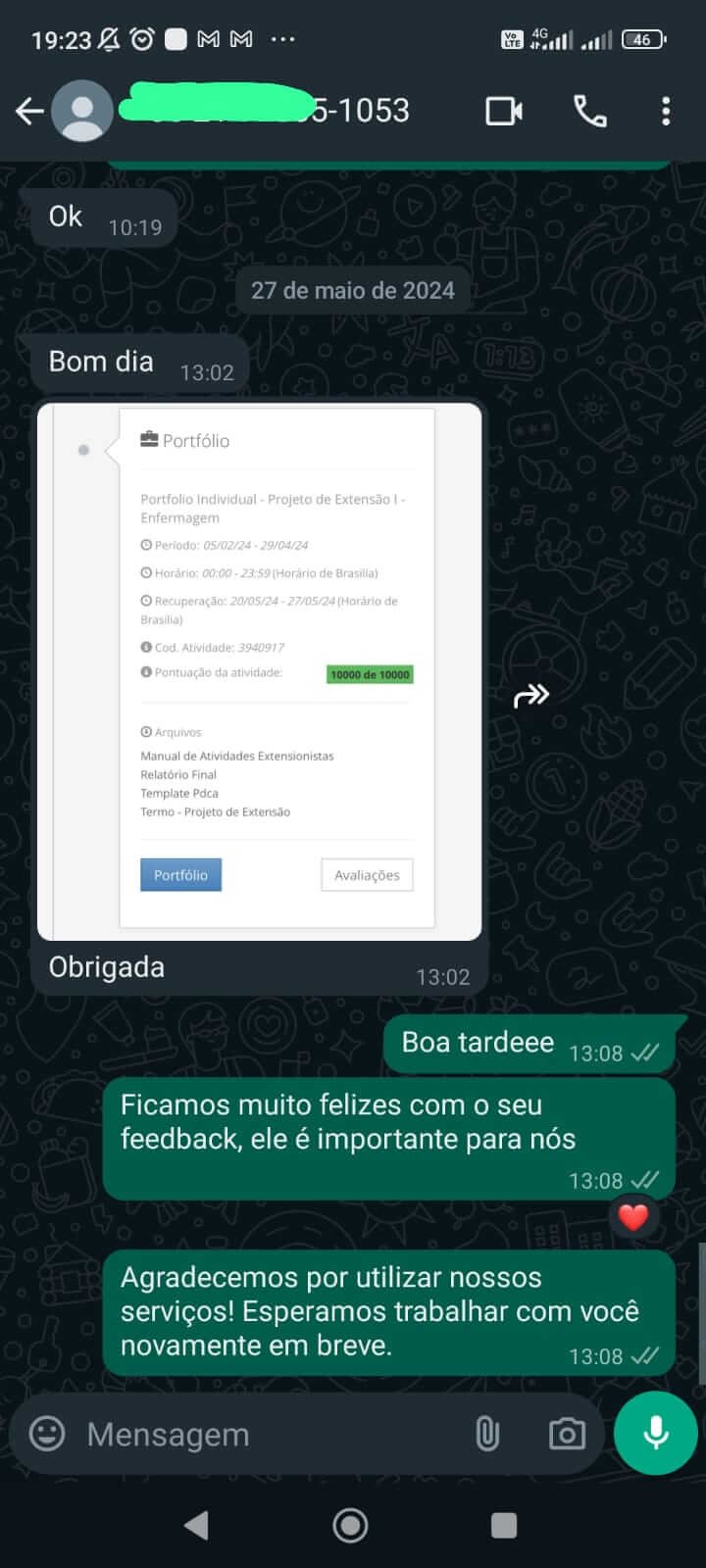


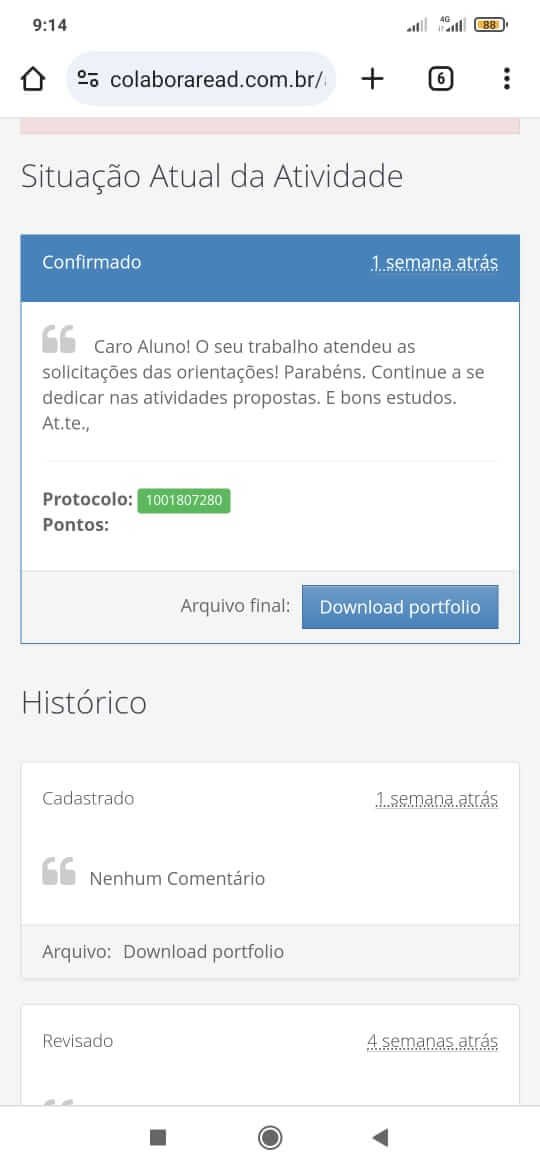
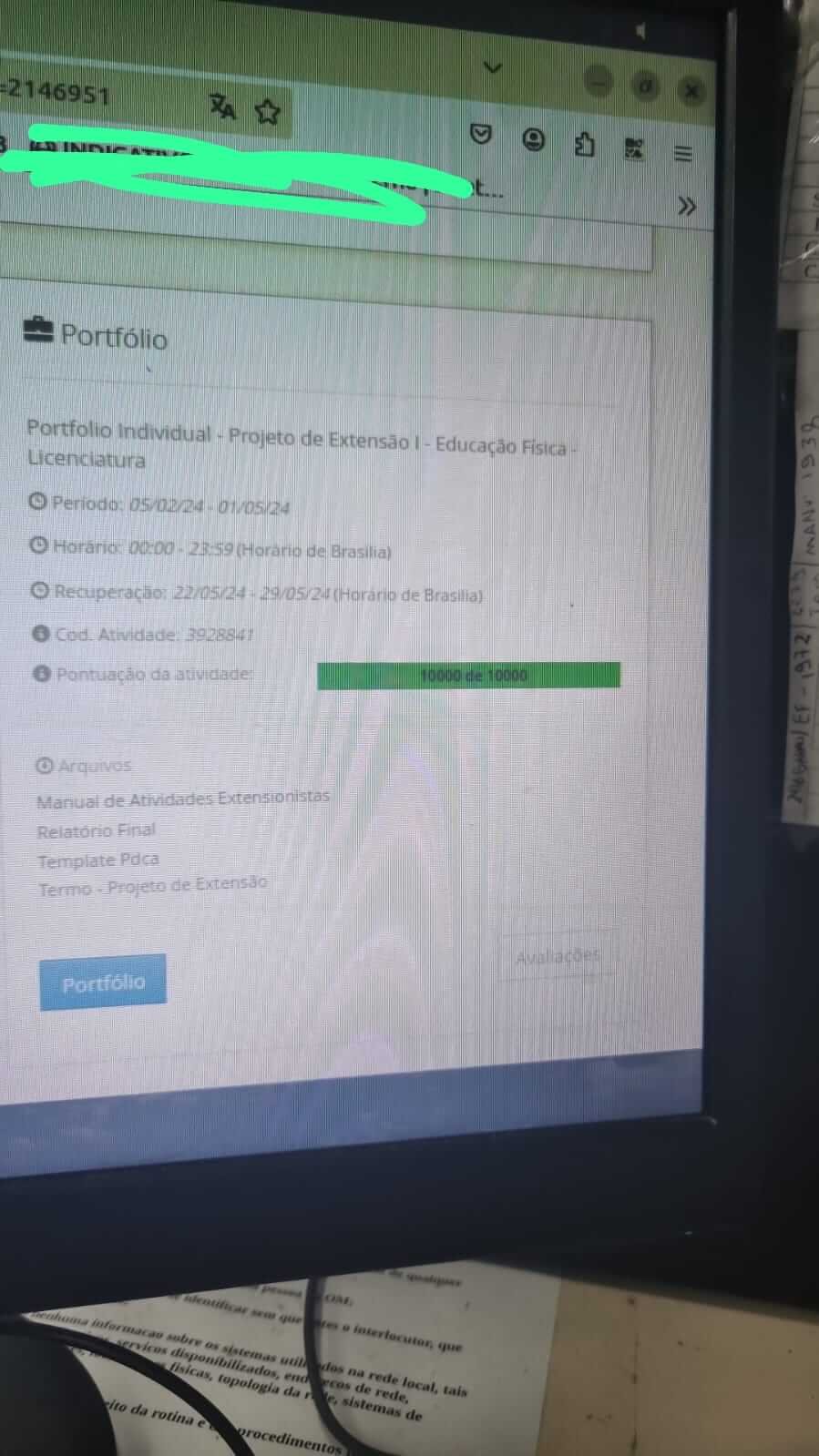
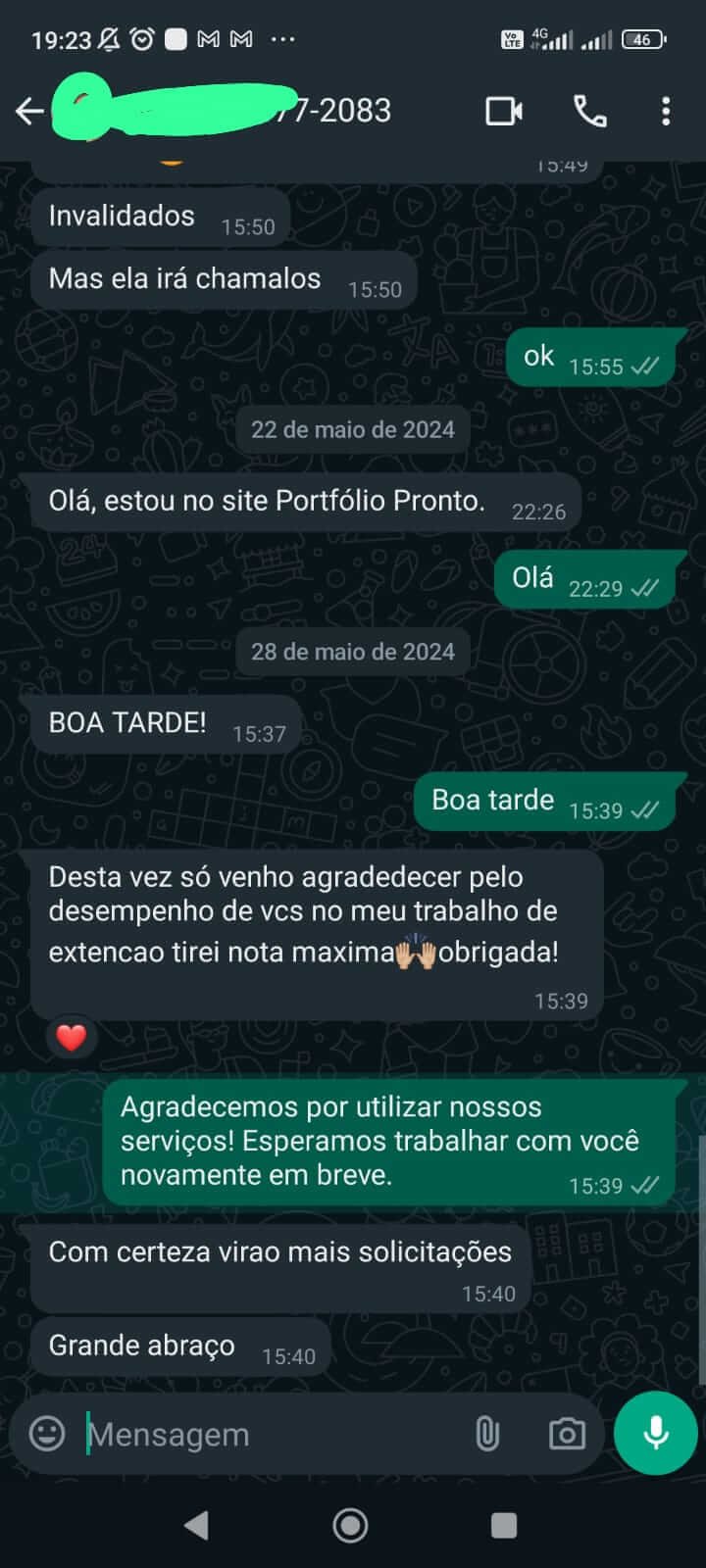
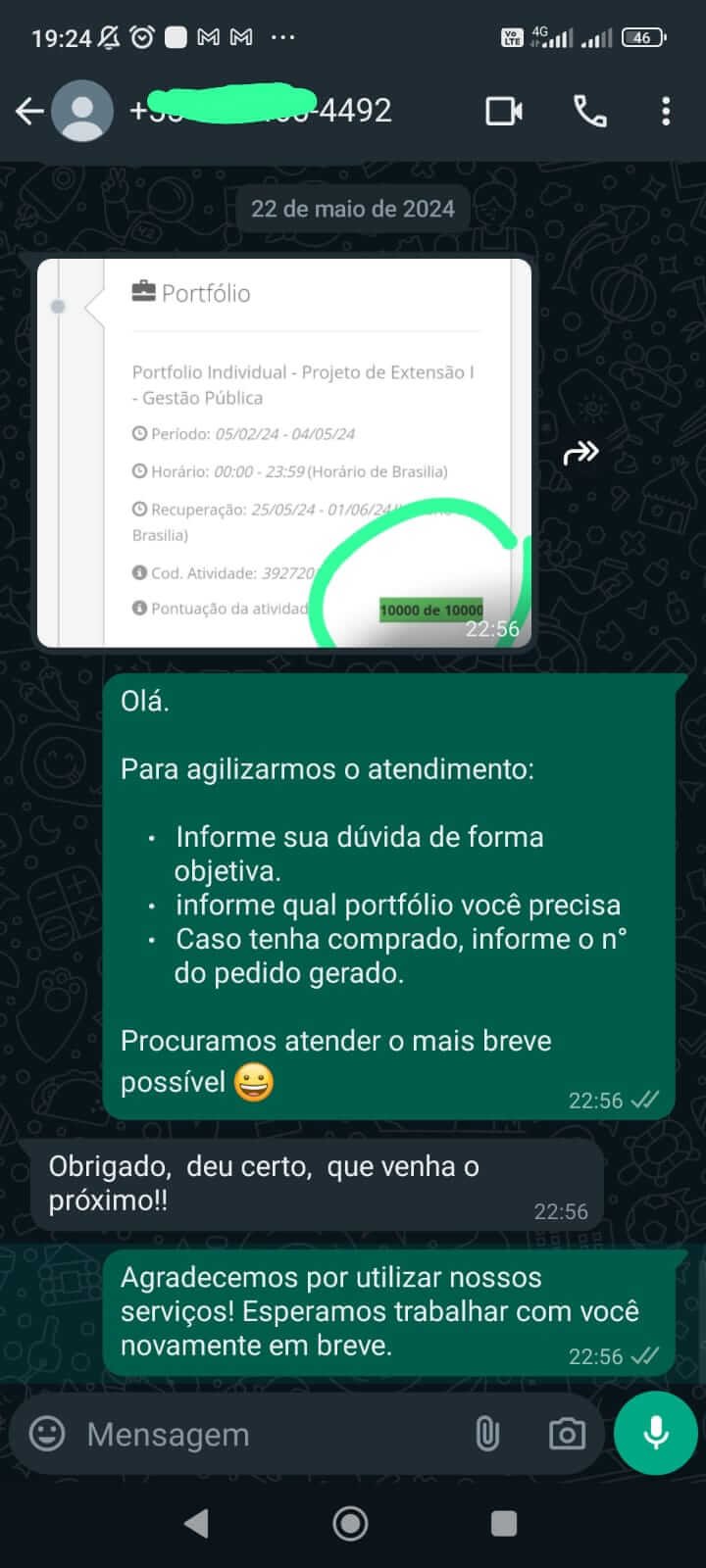
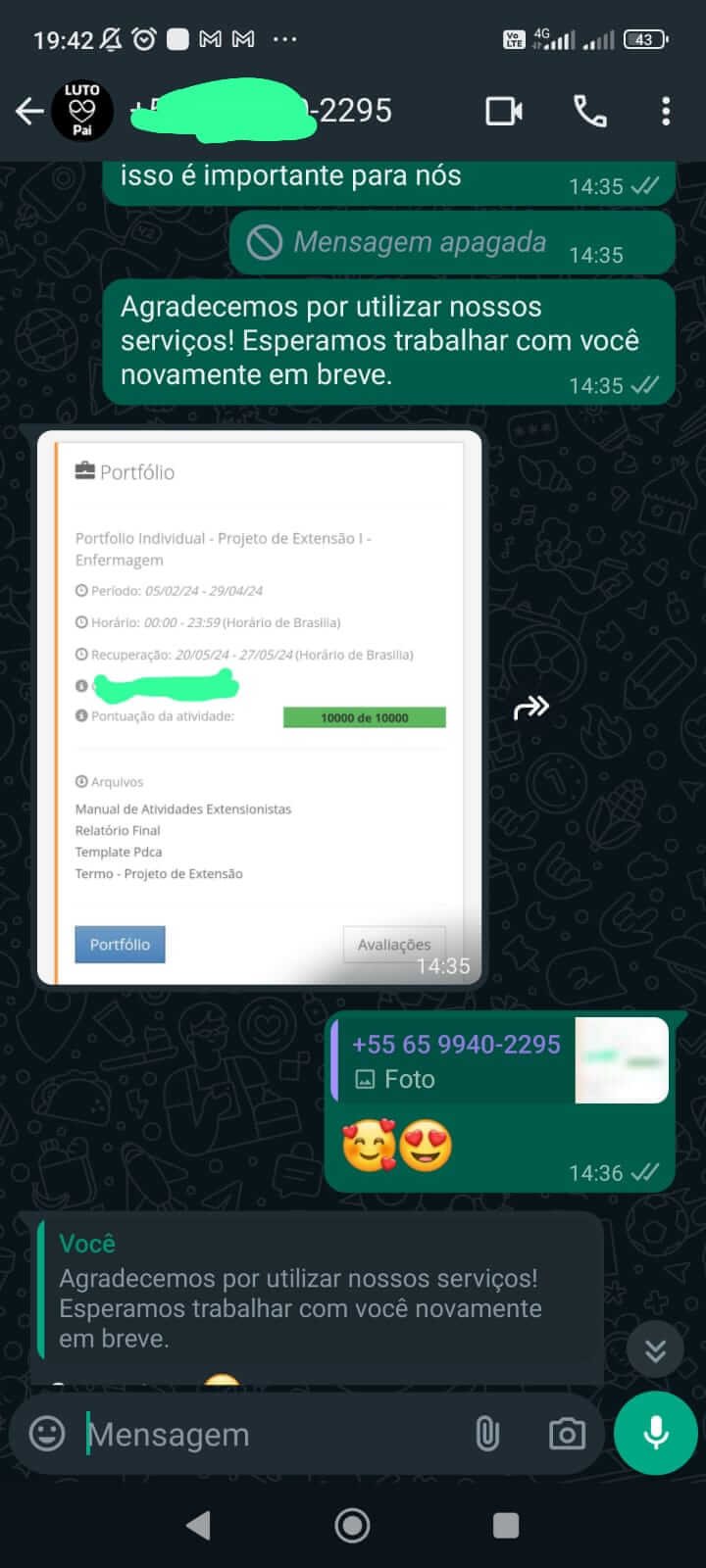
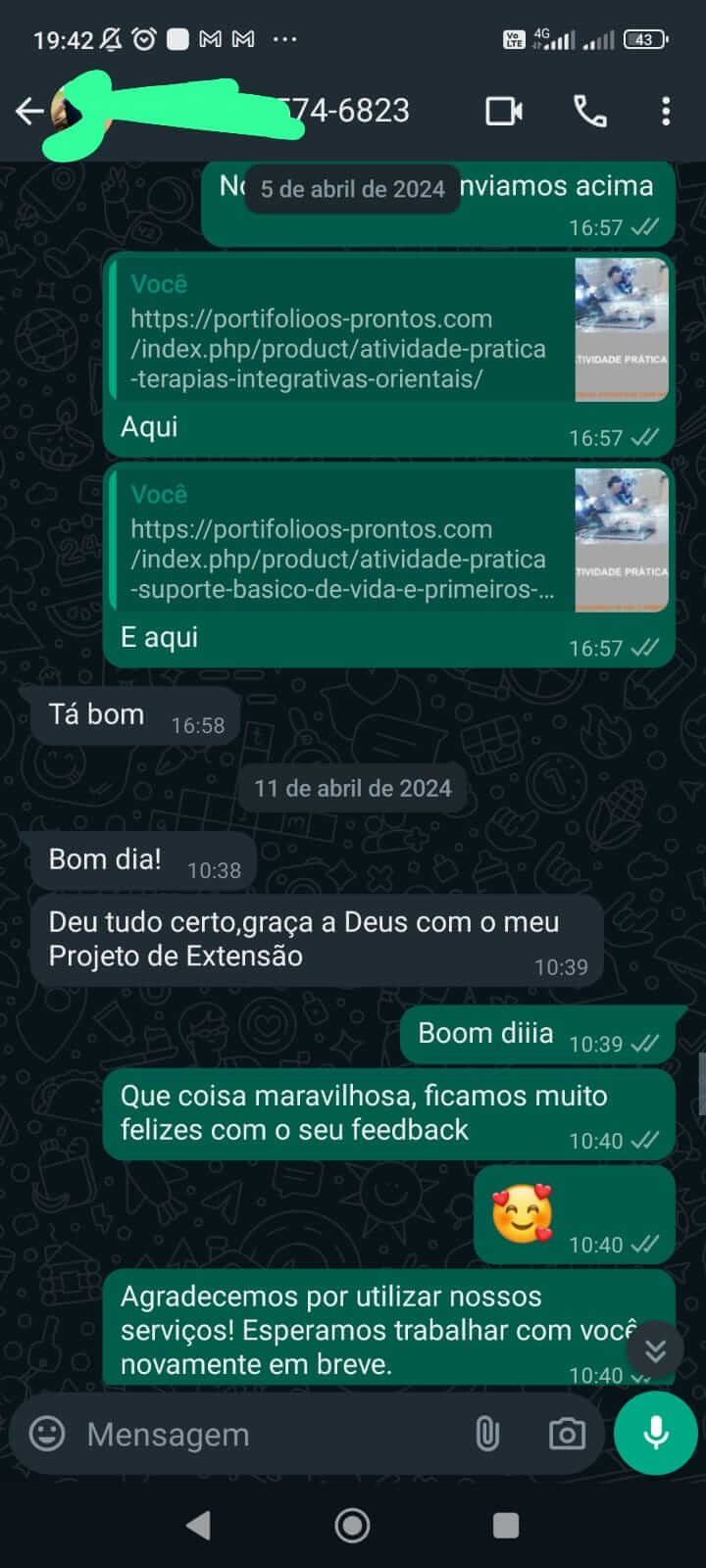
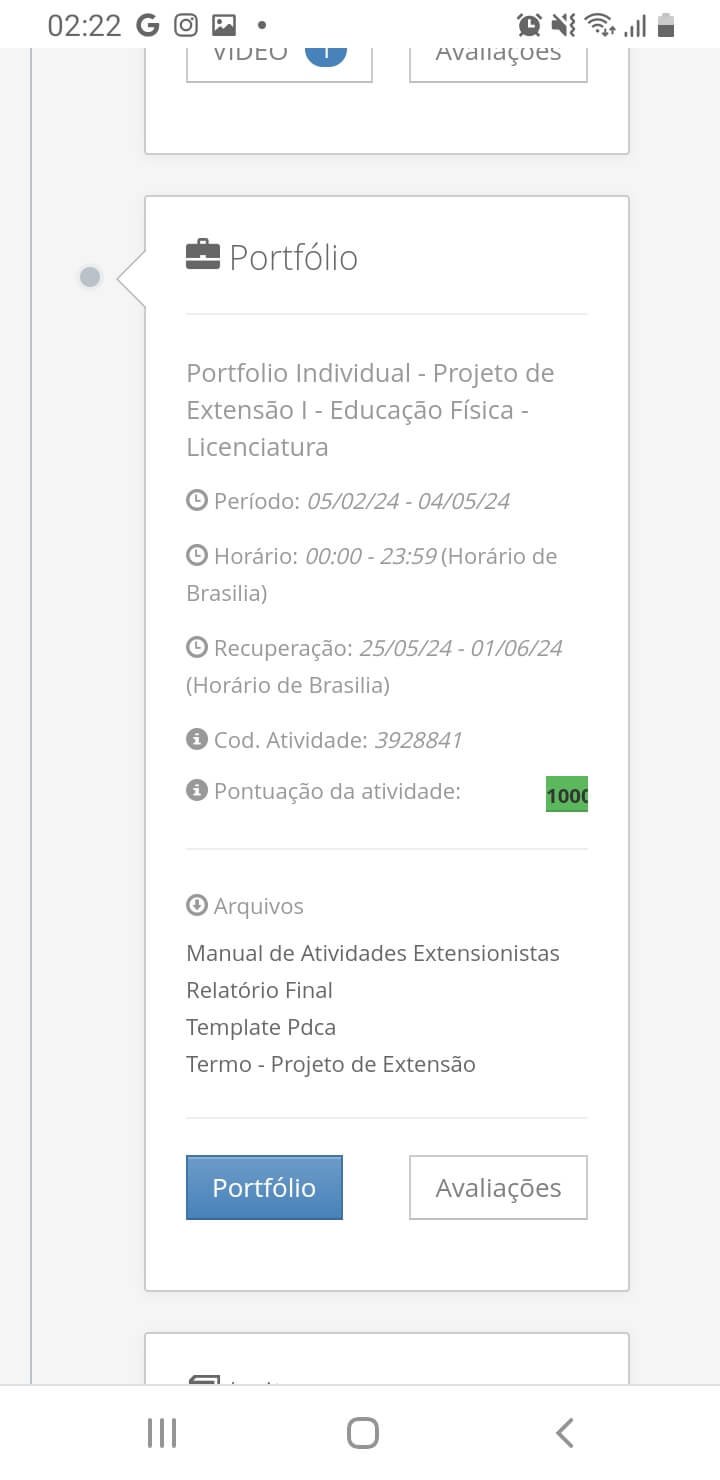

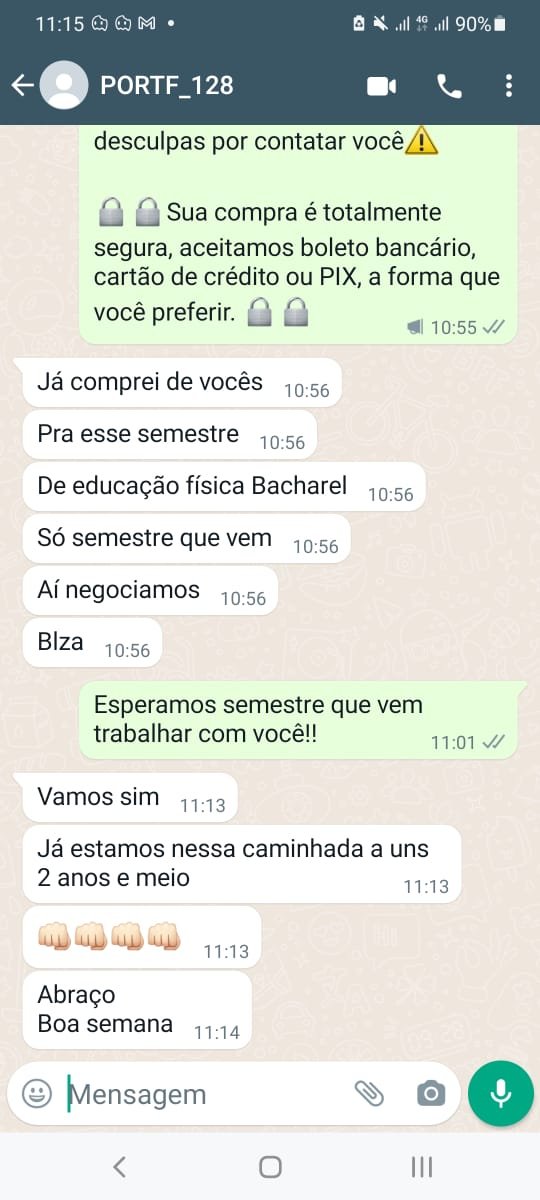
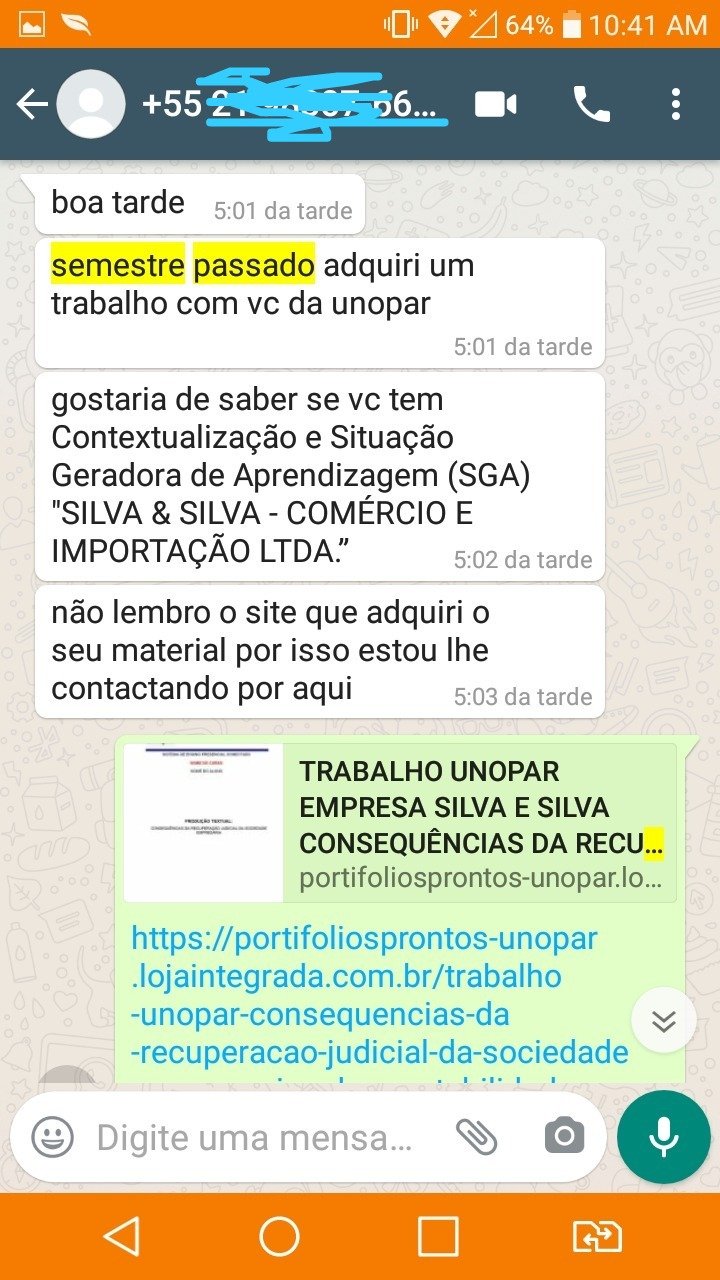
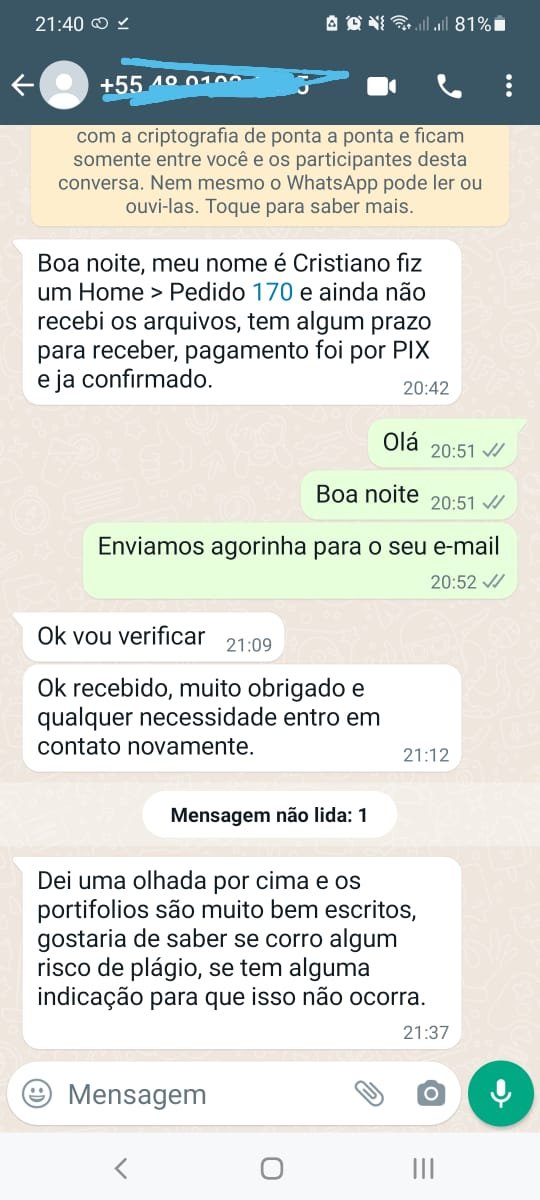
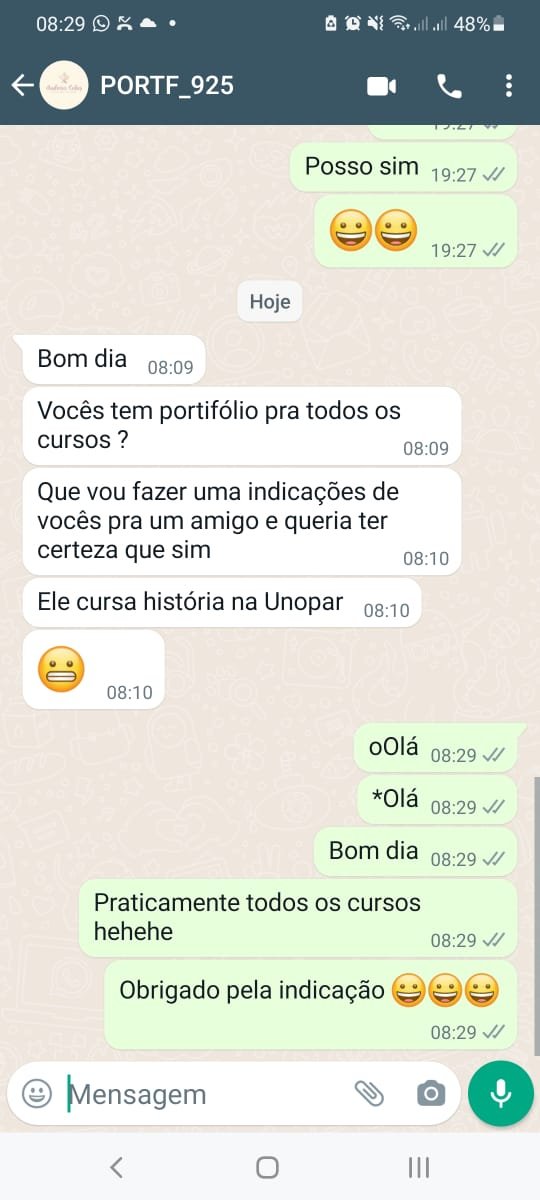
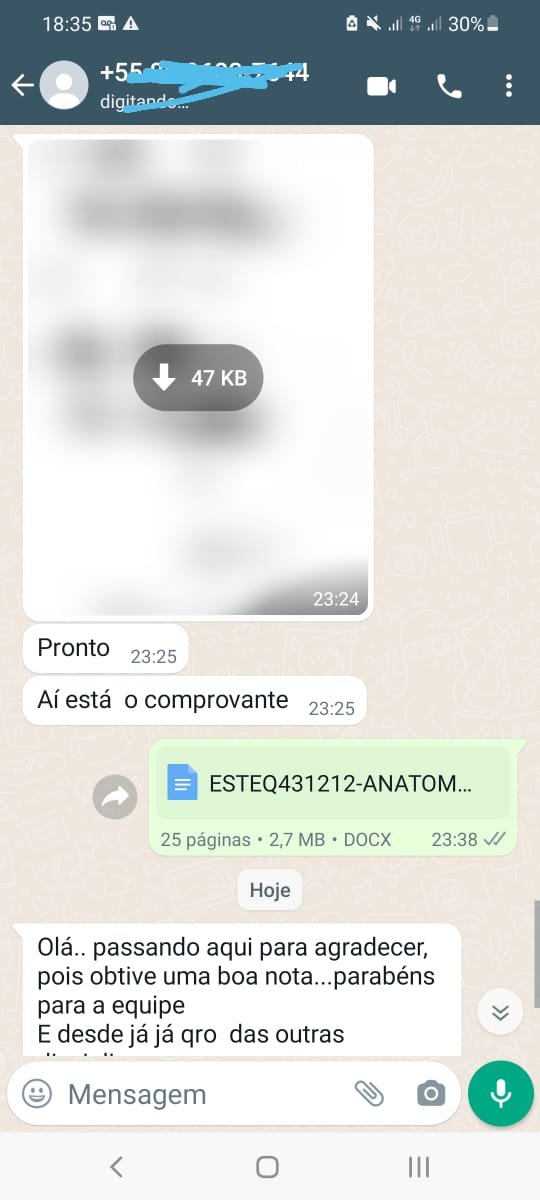
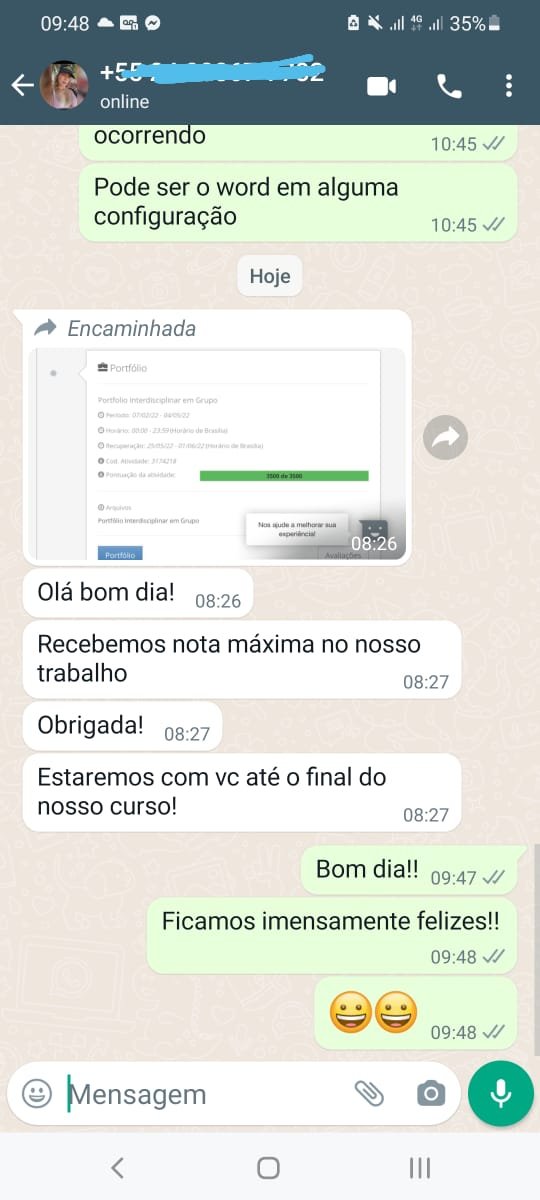
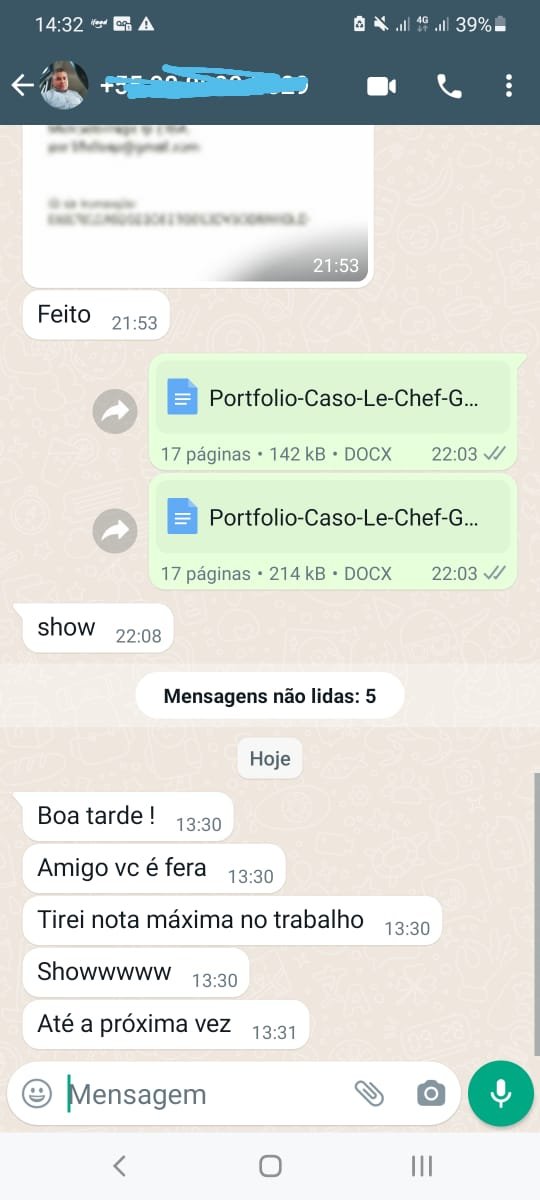
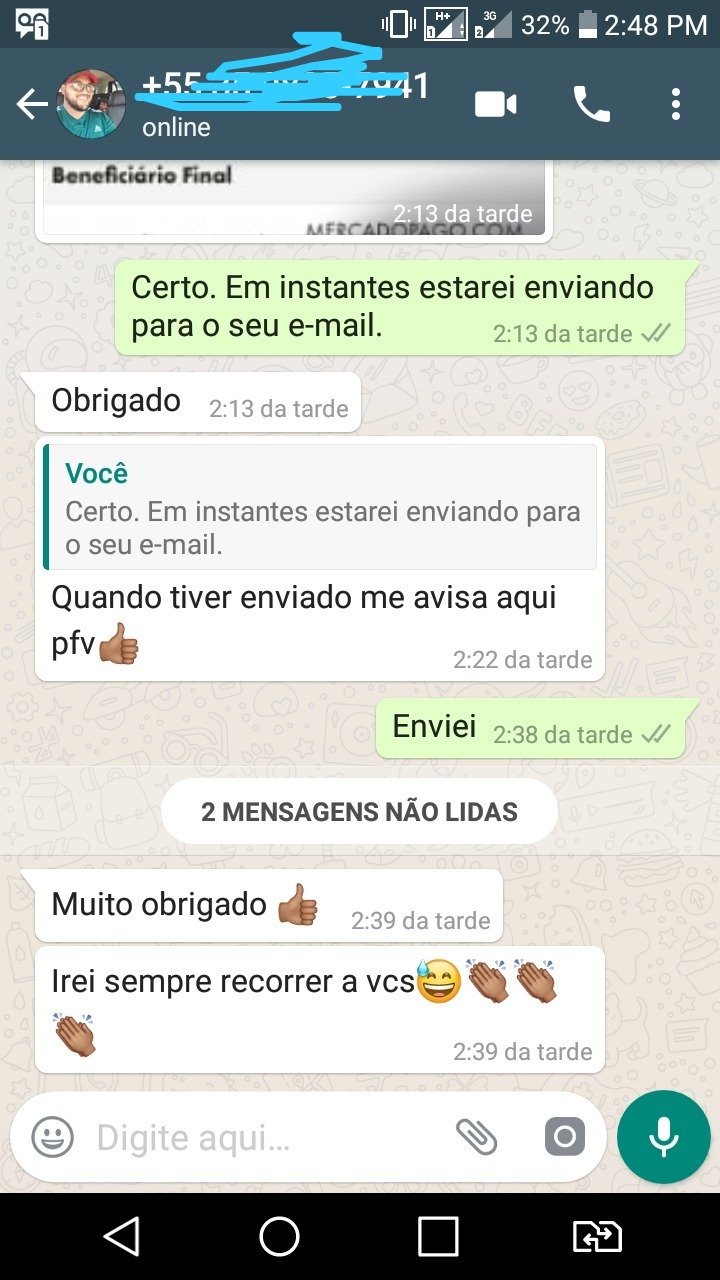


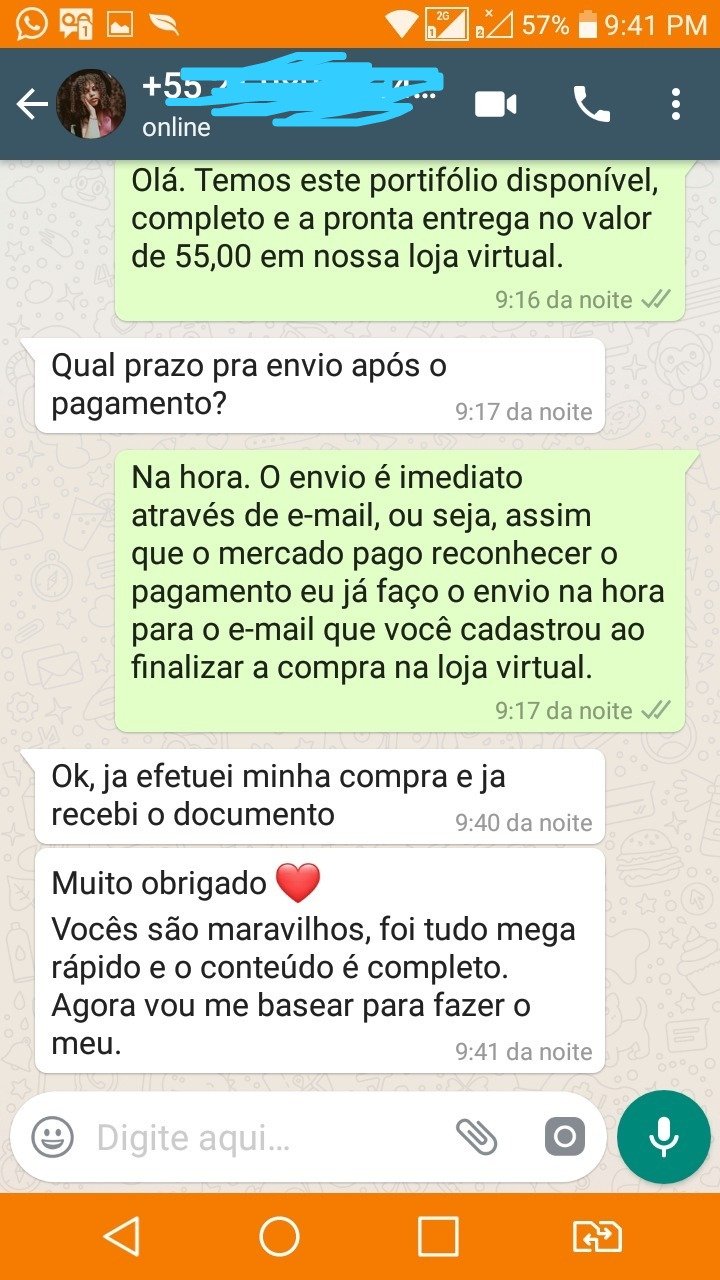

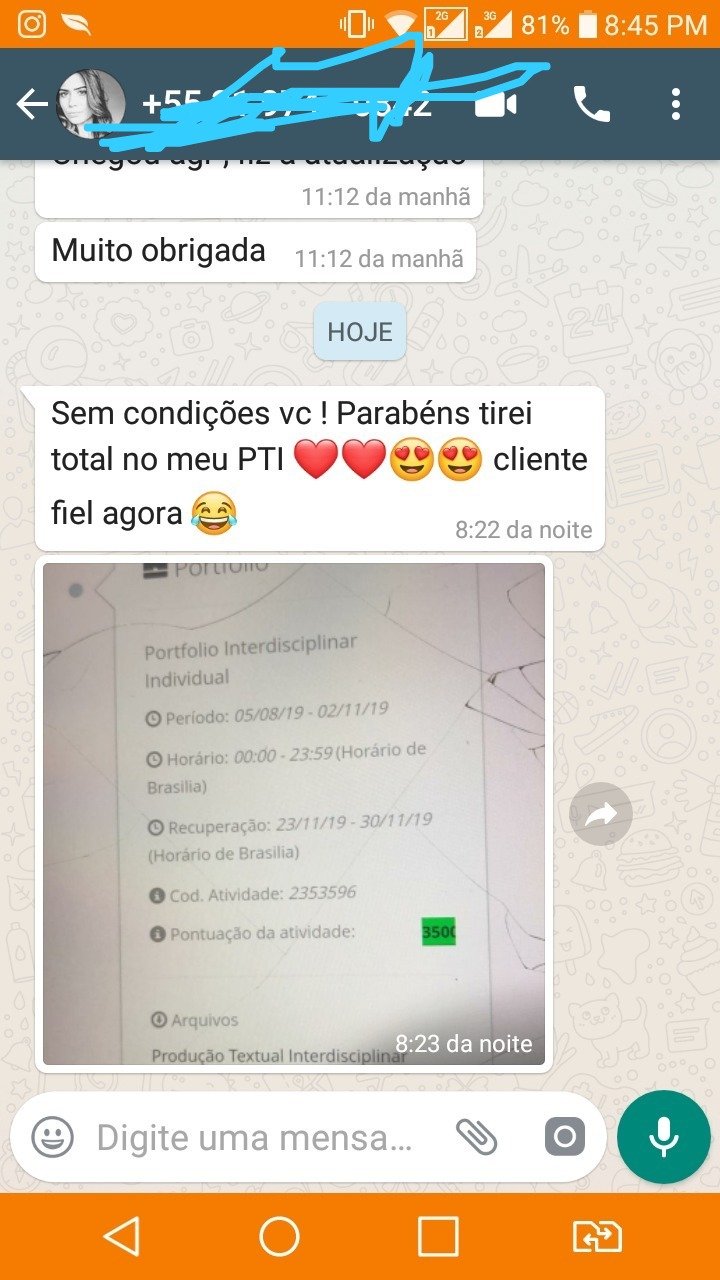
Como funciona
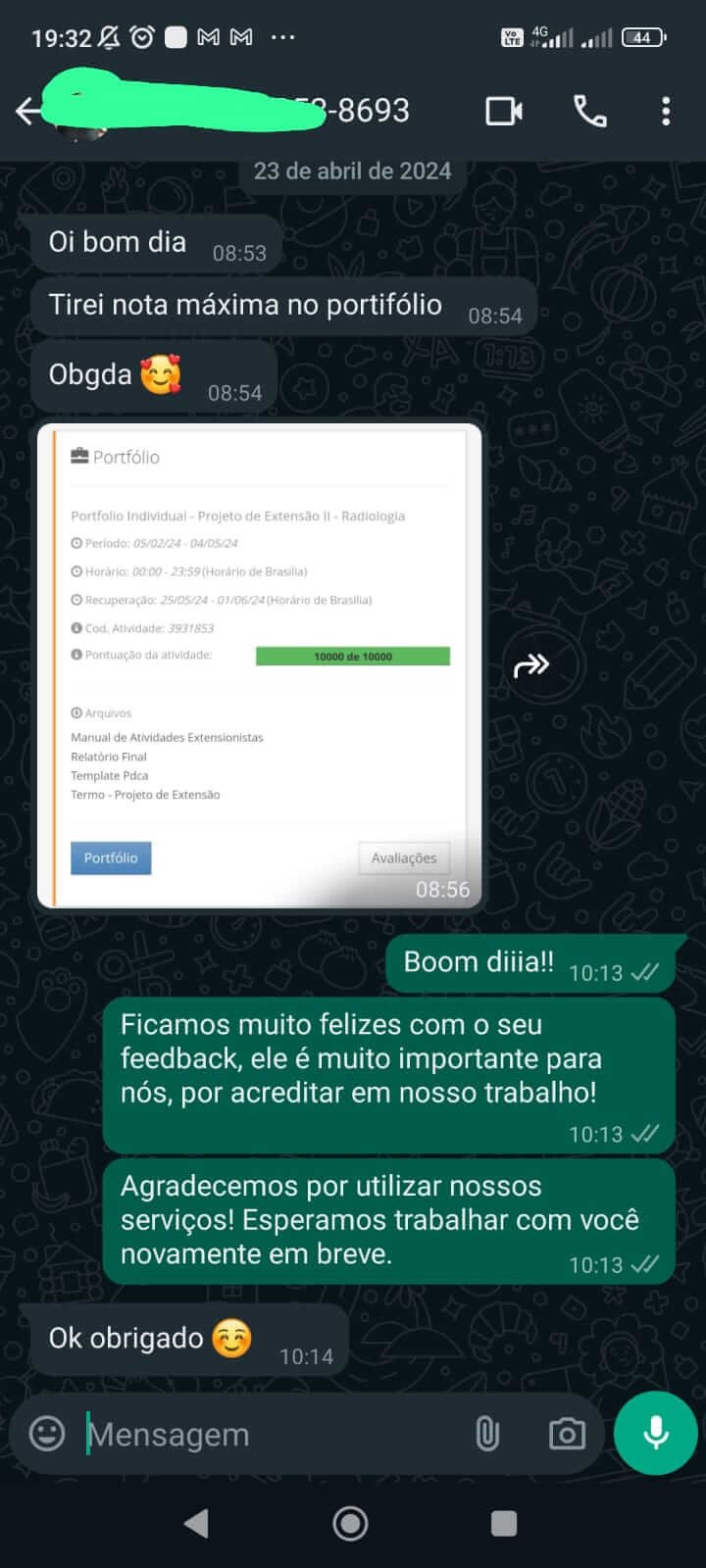
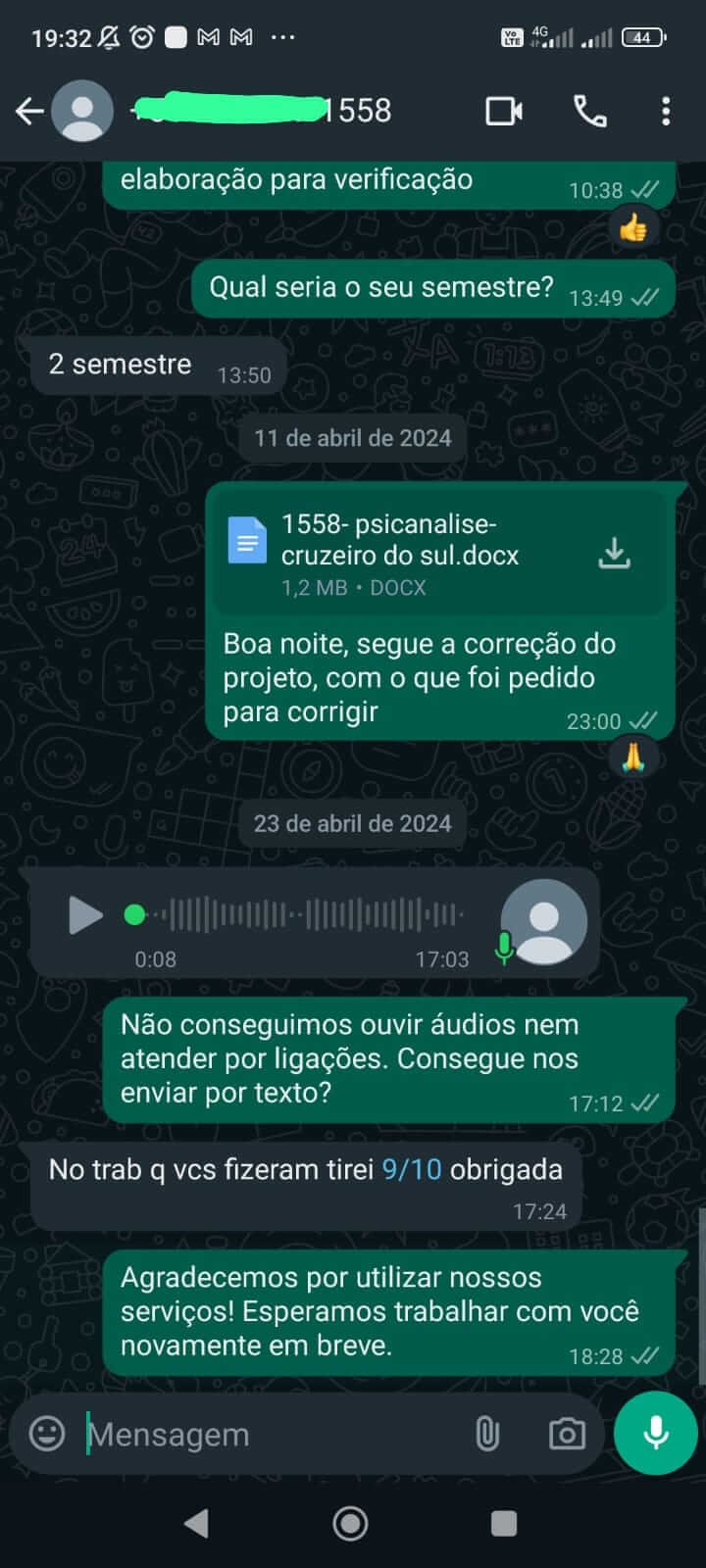
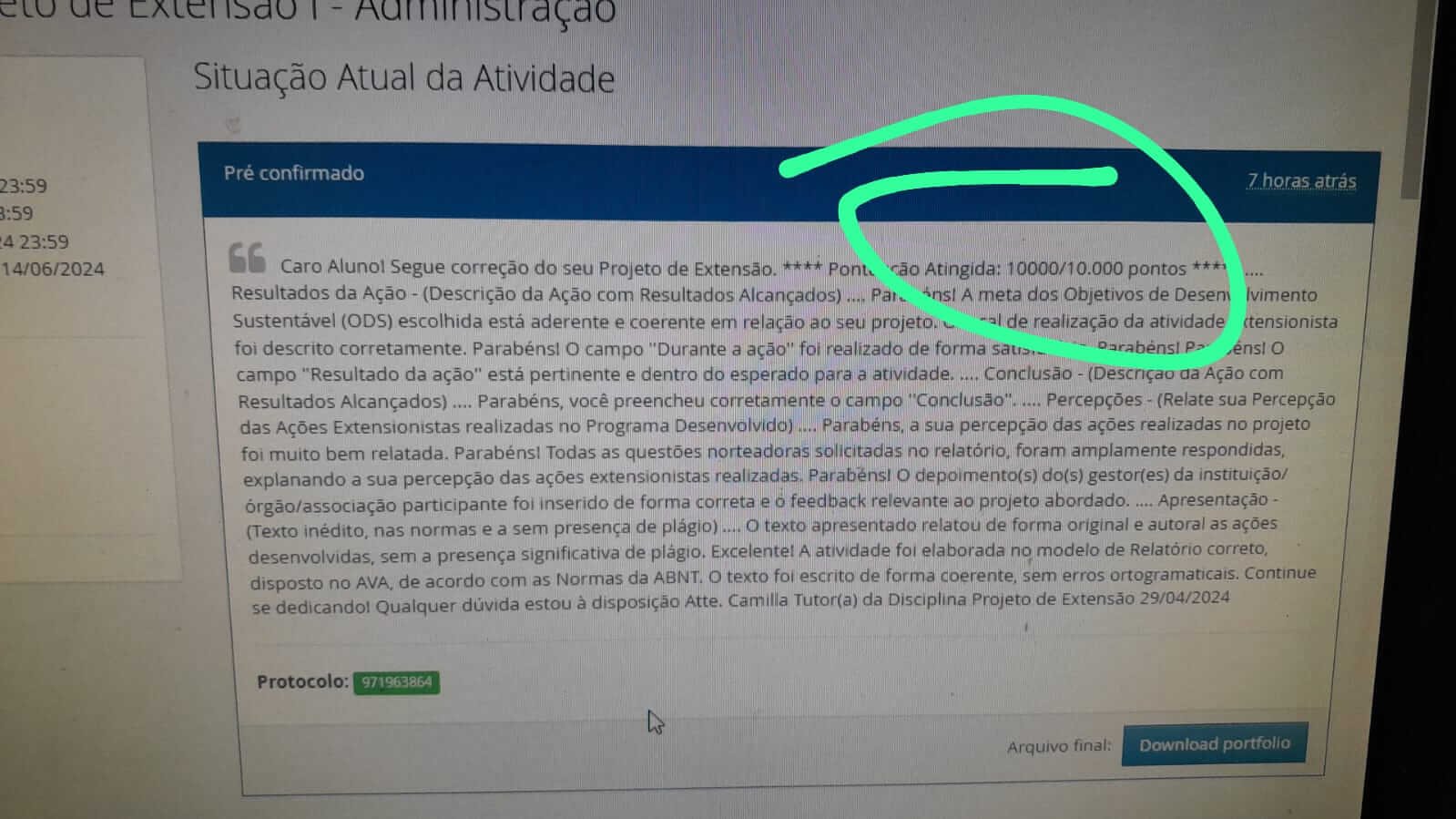
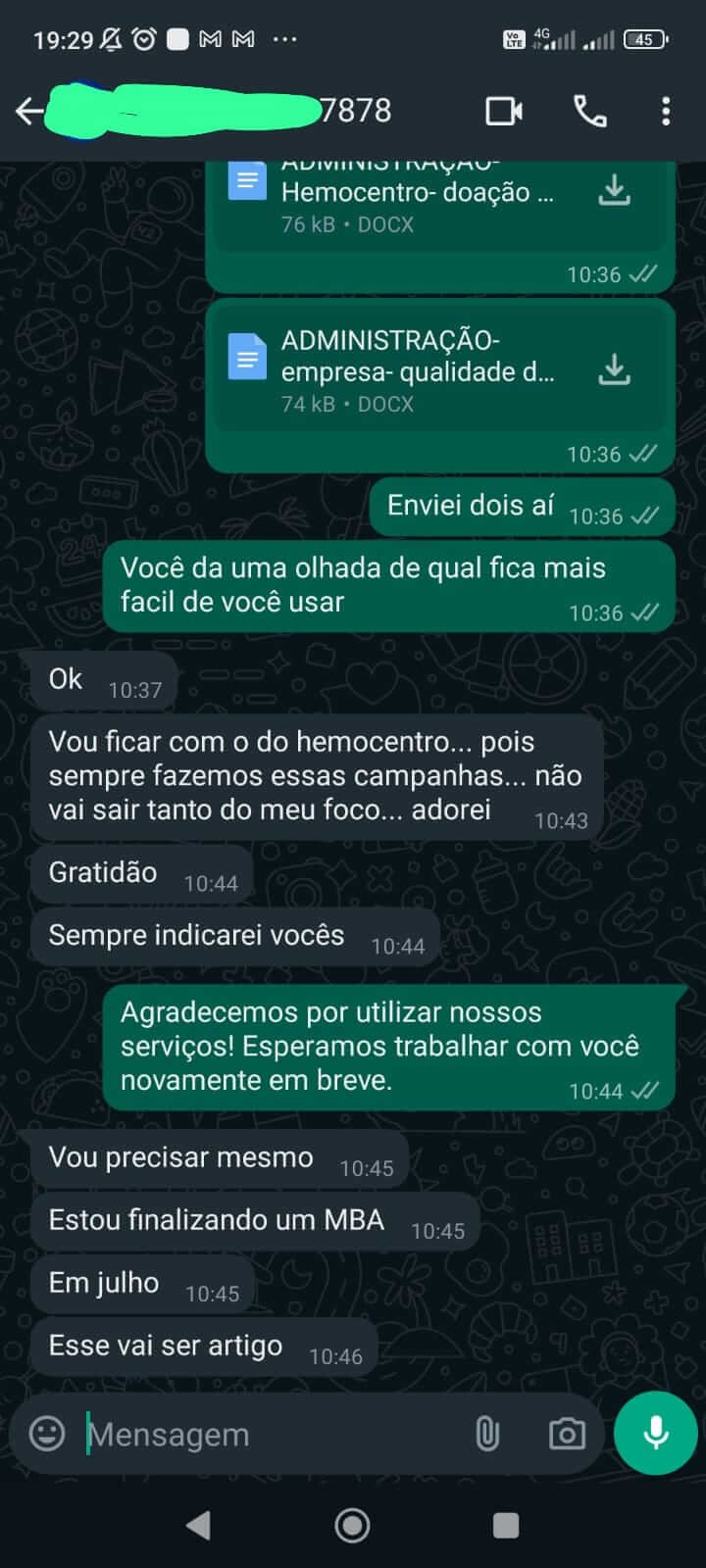
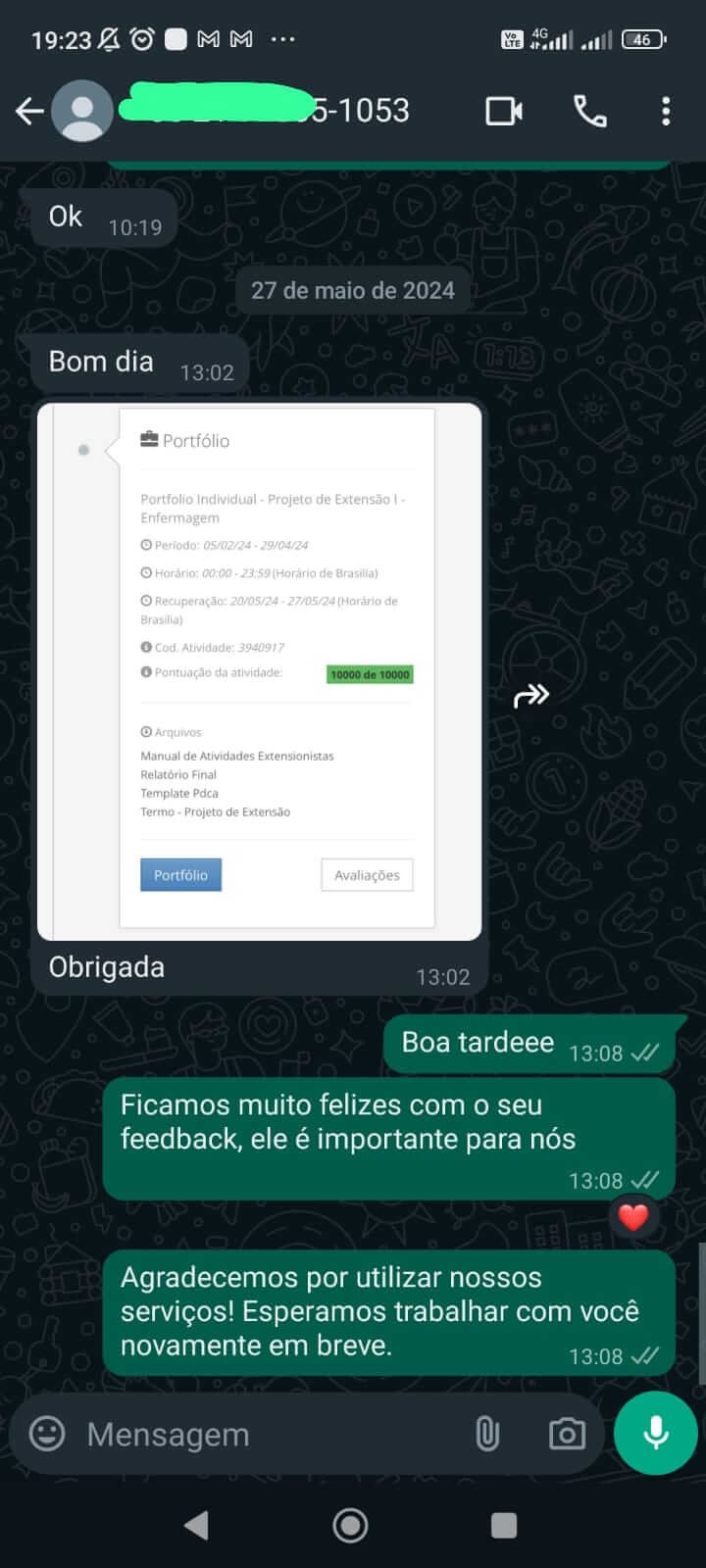
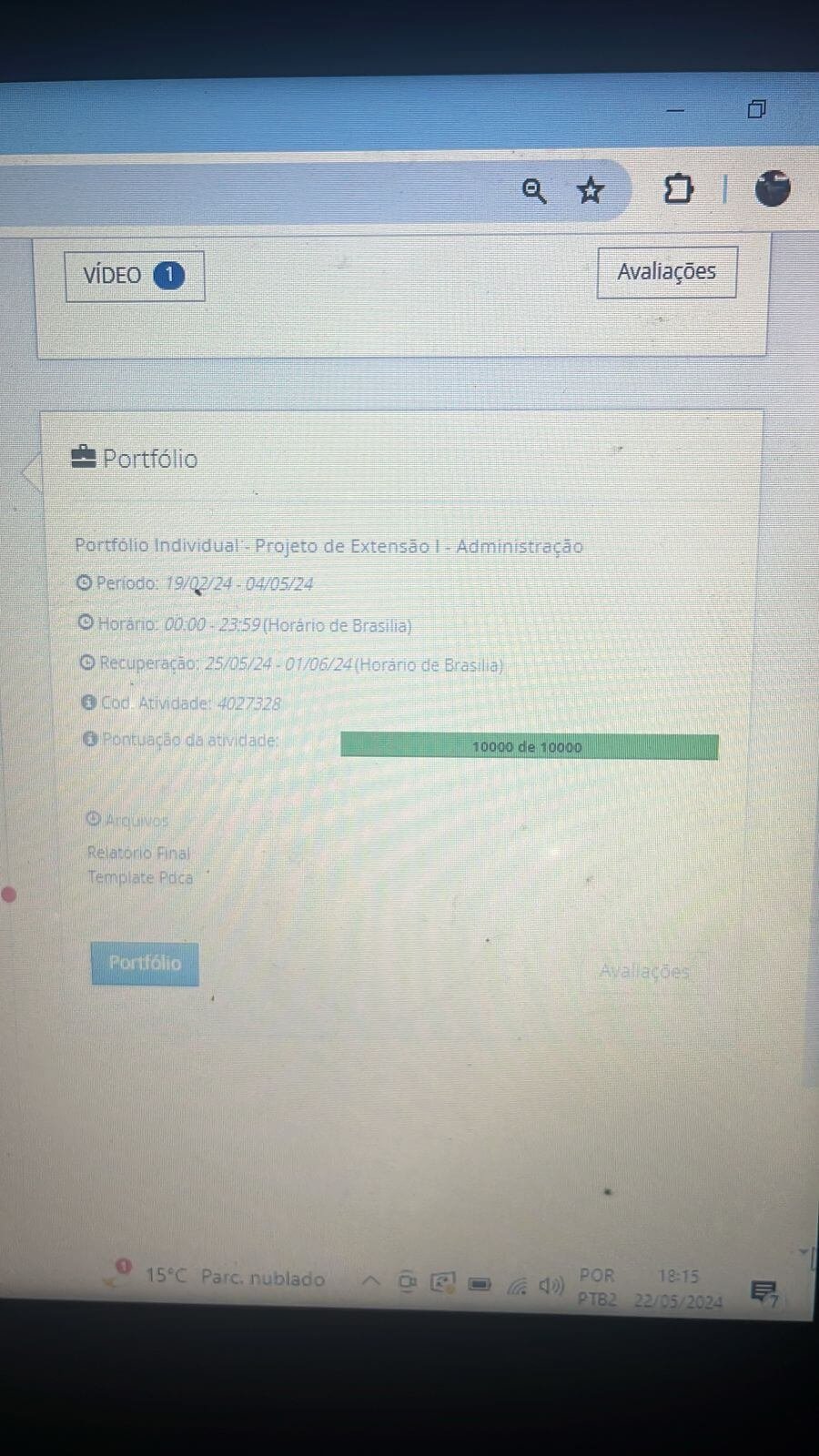
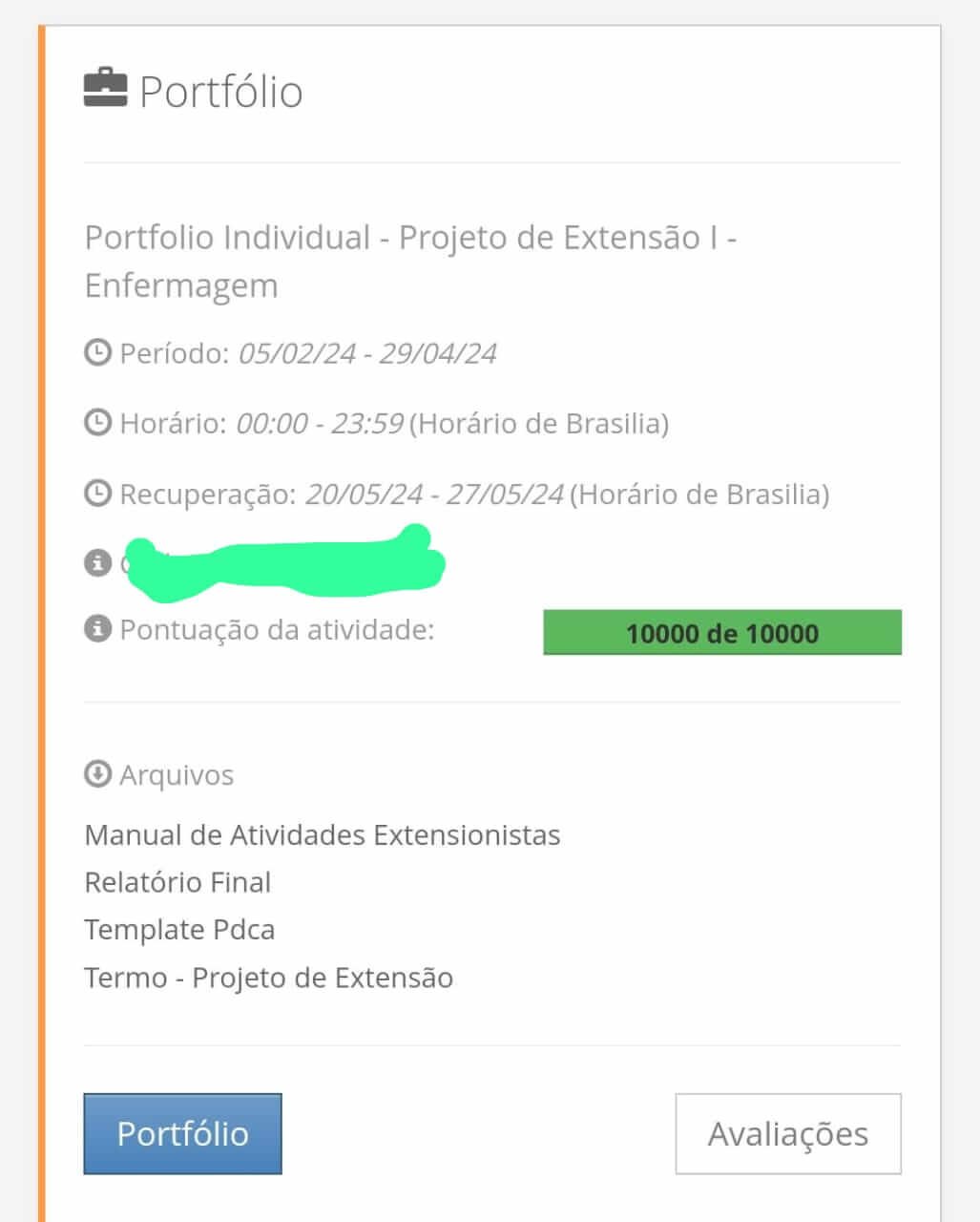
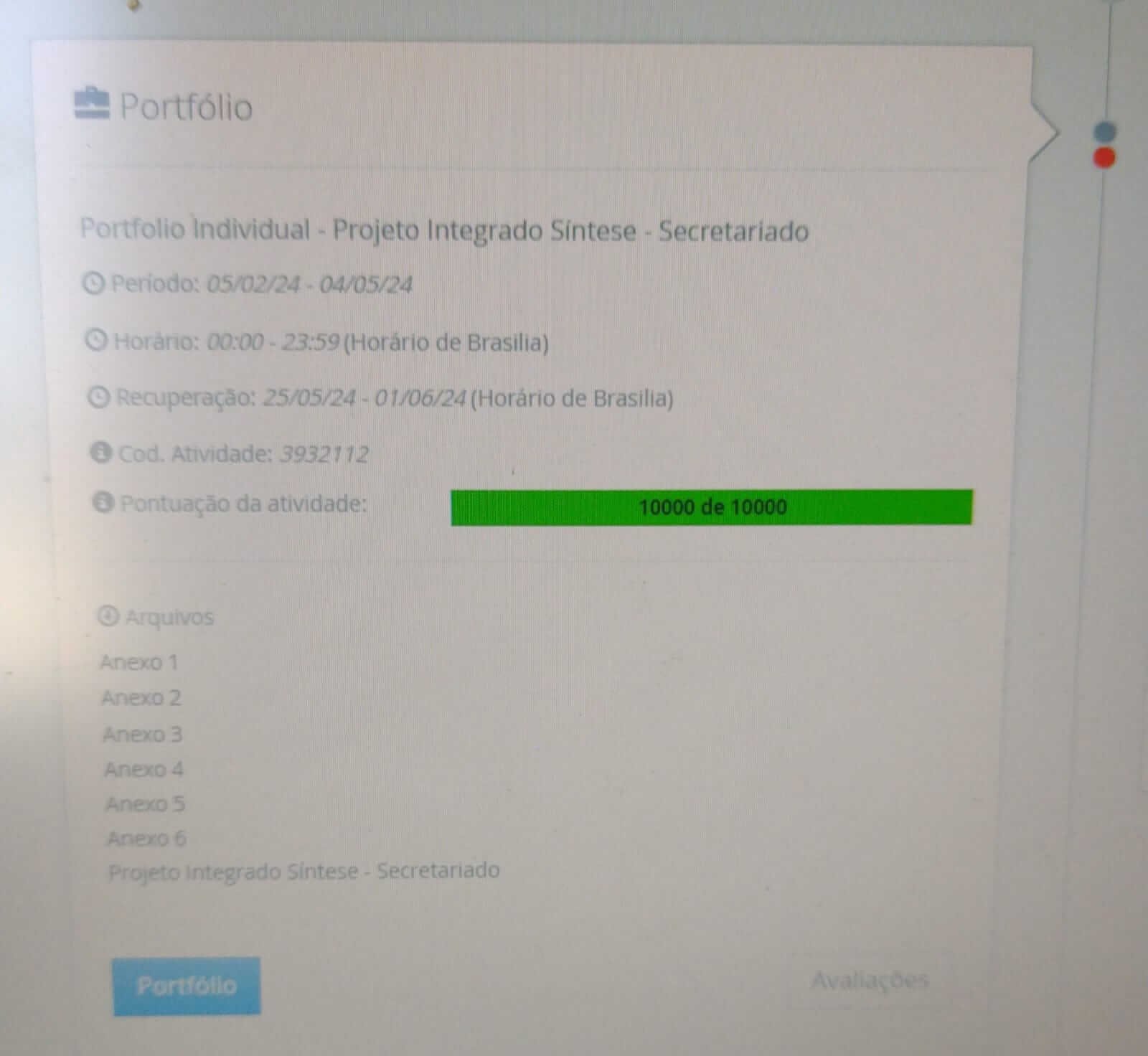
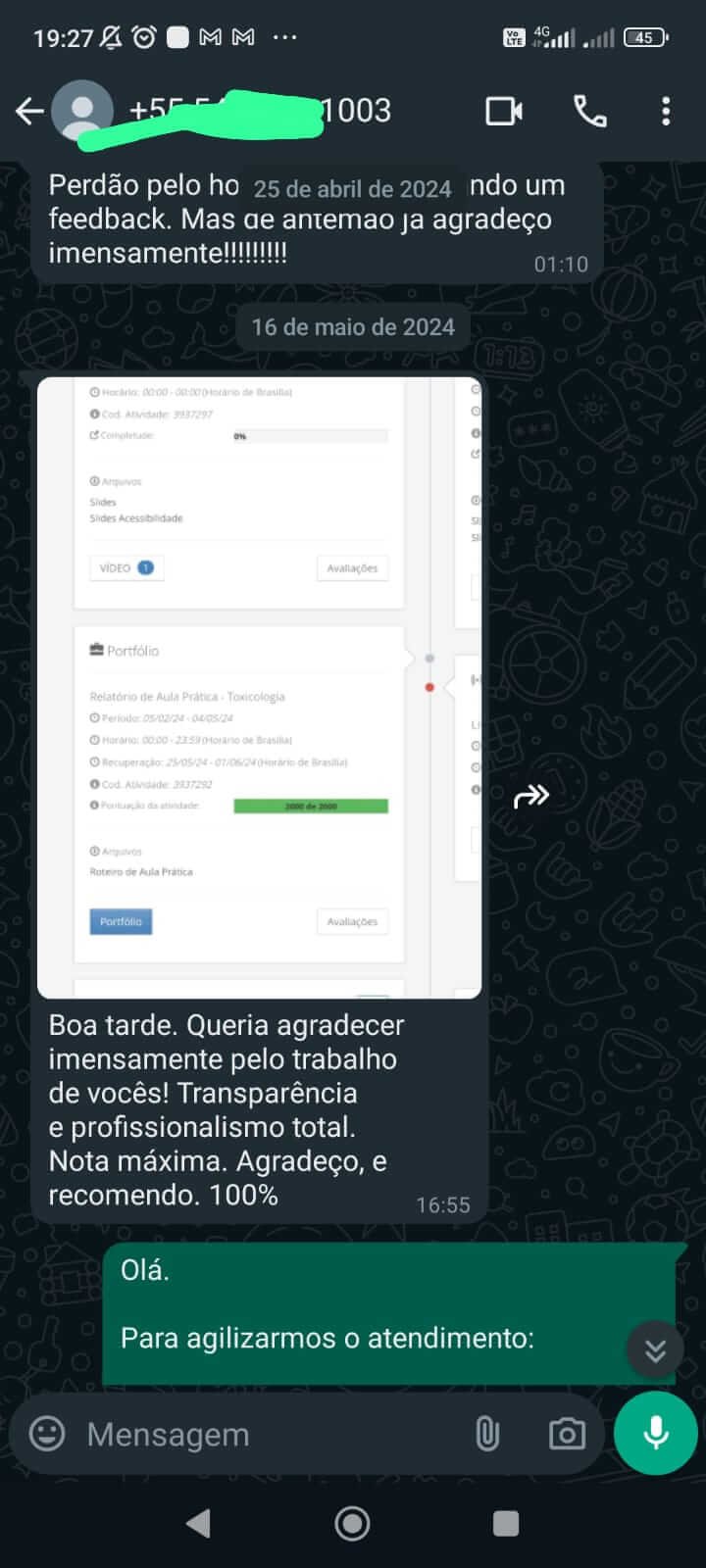
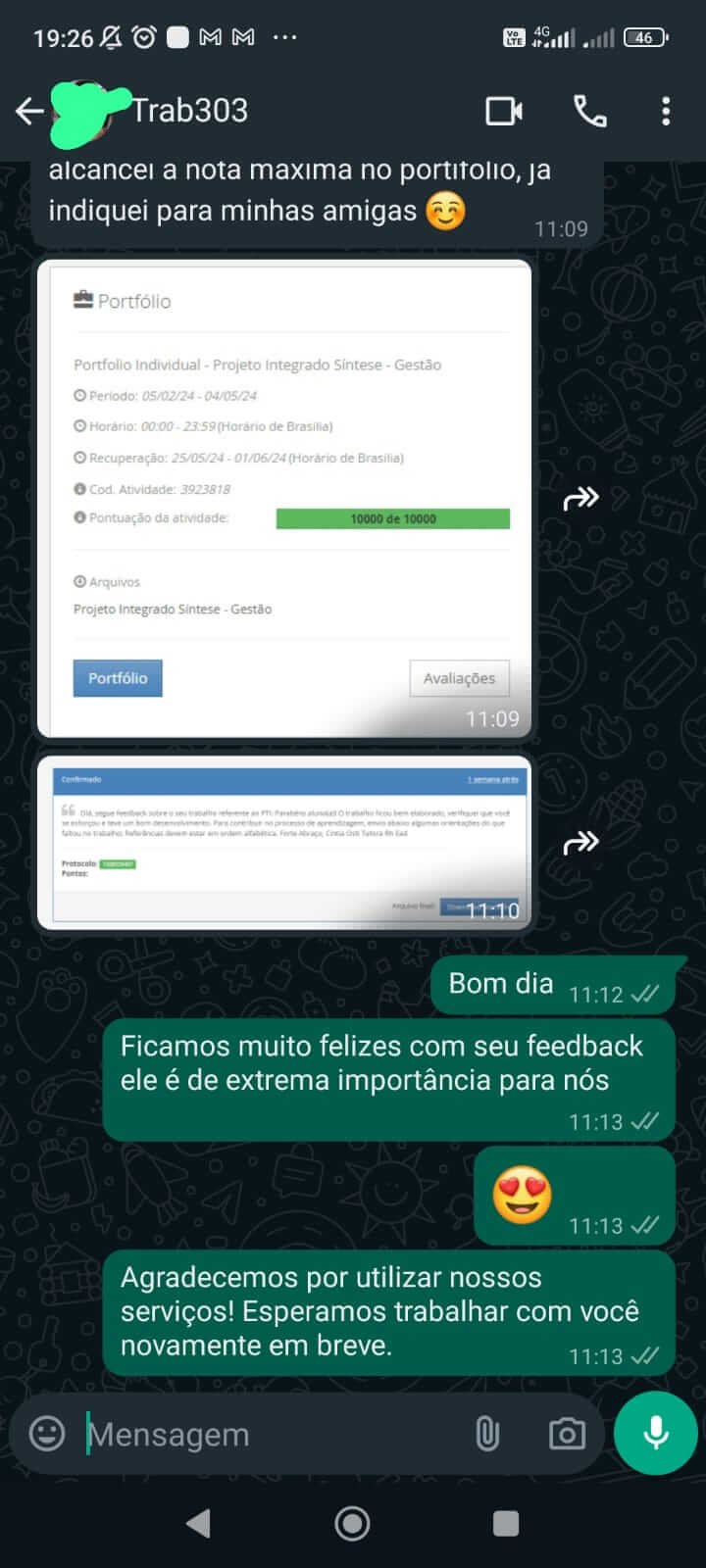
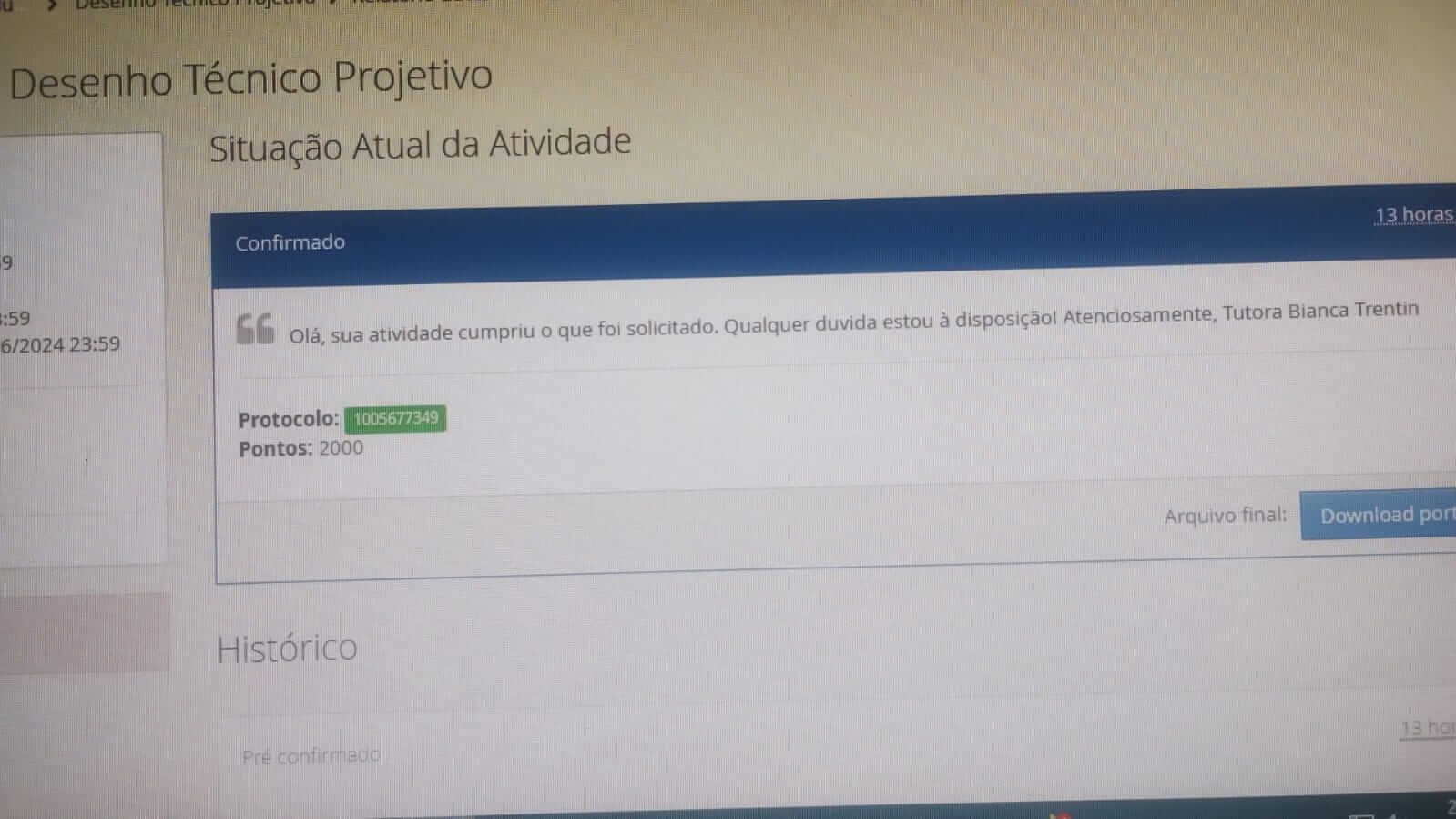
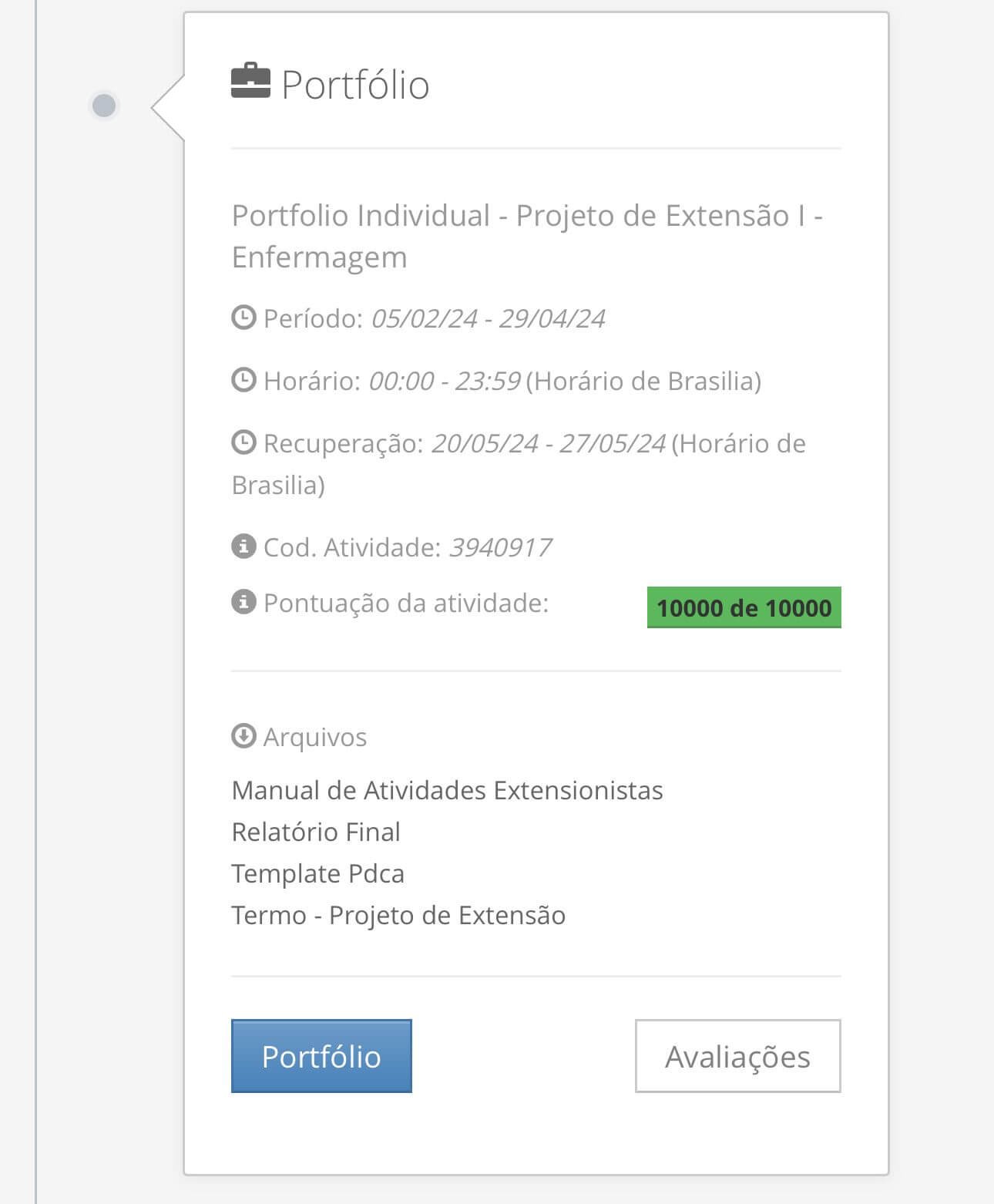
Portfólio padrão
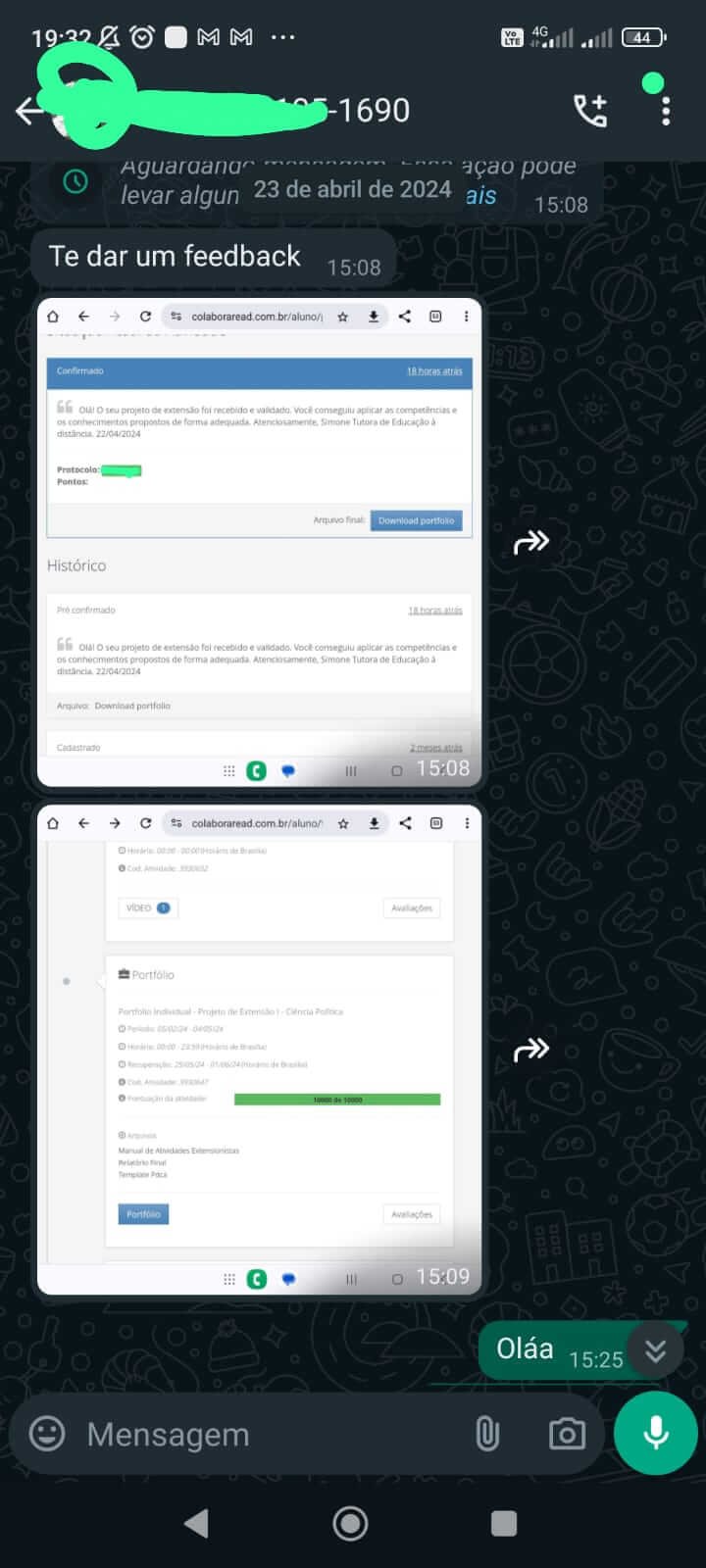
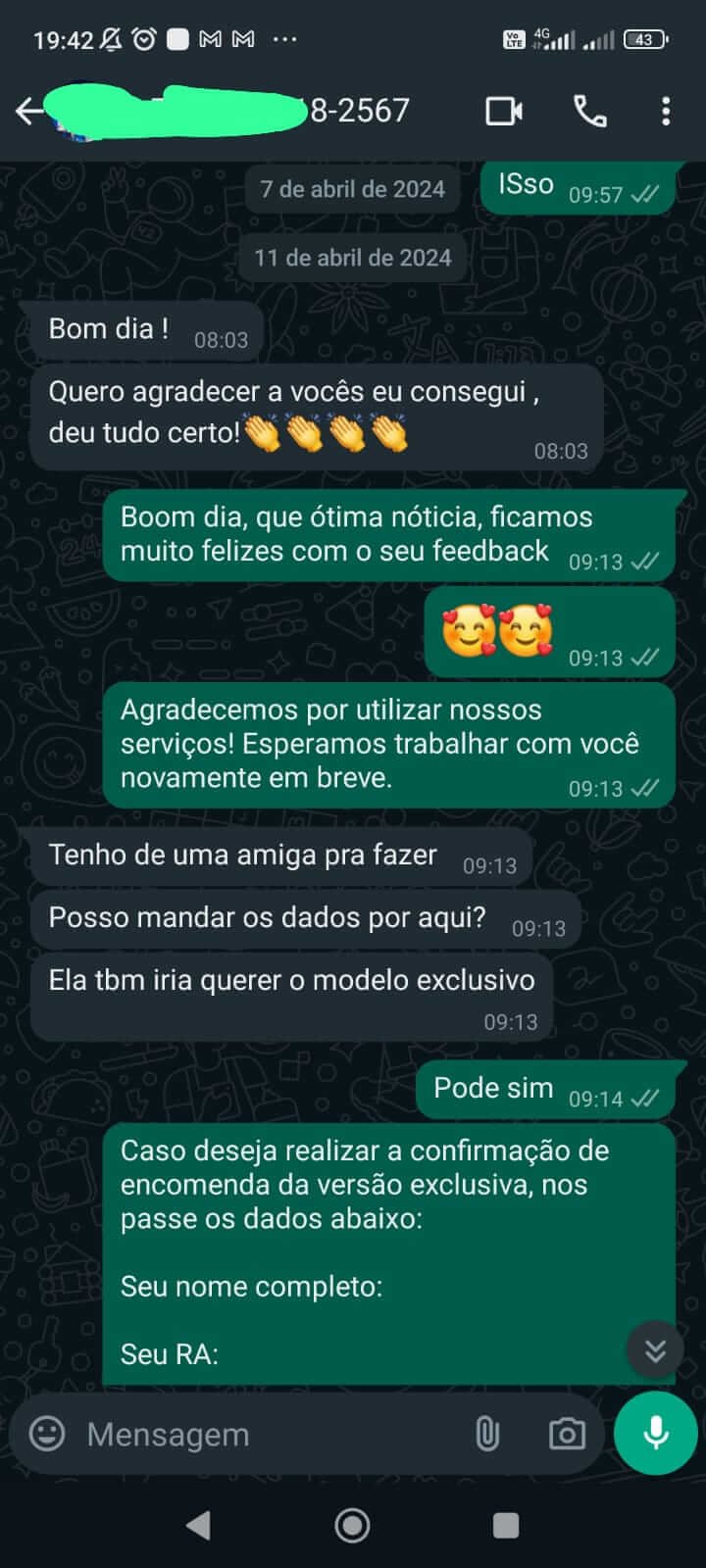
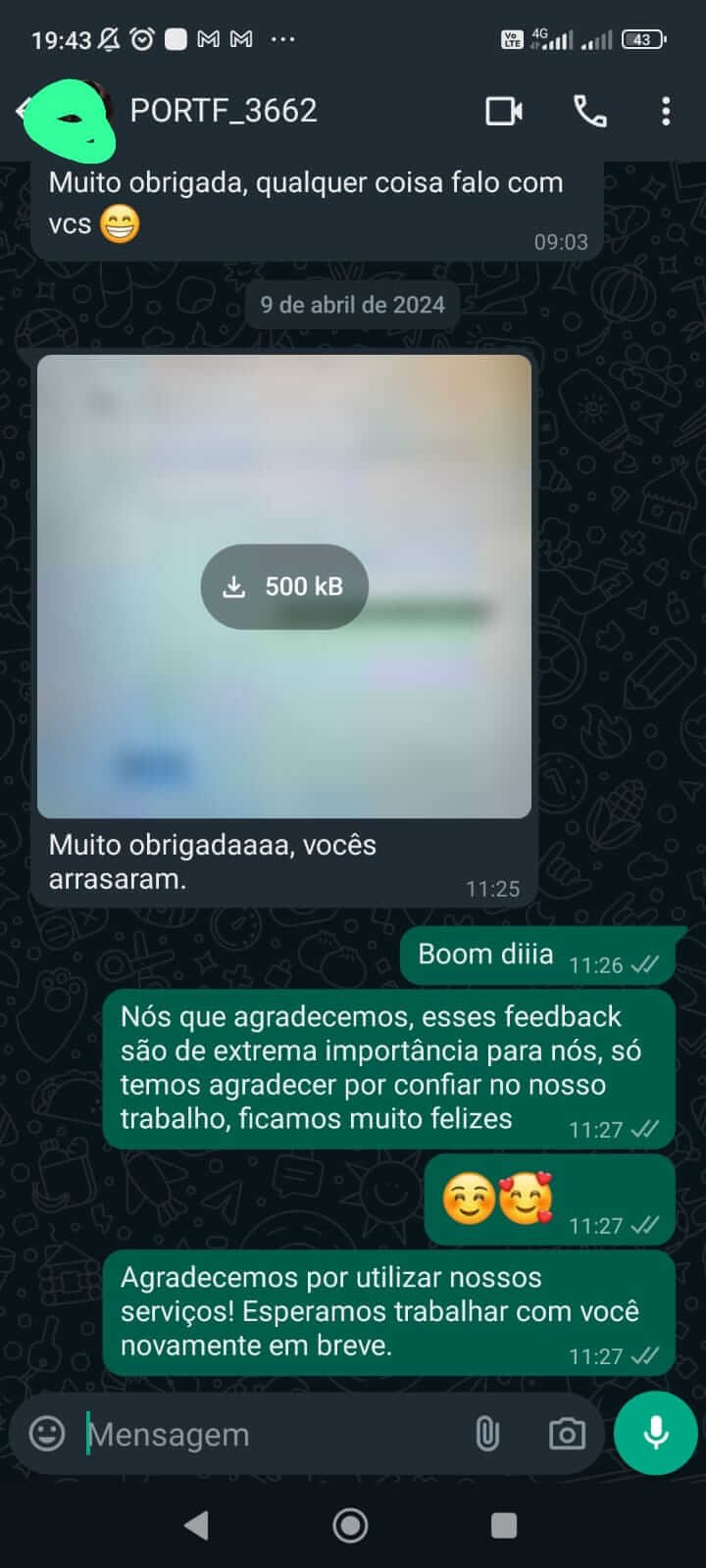
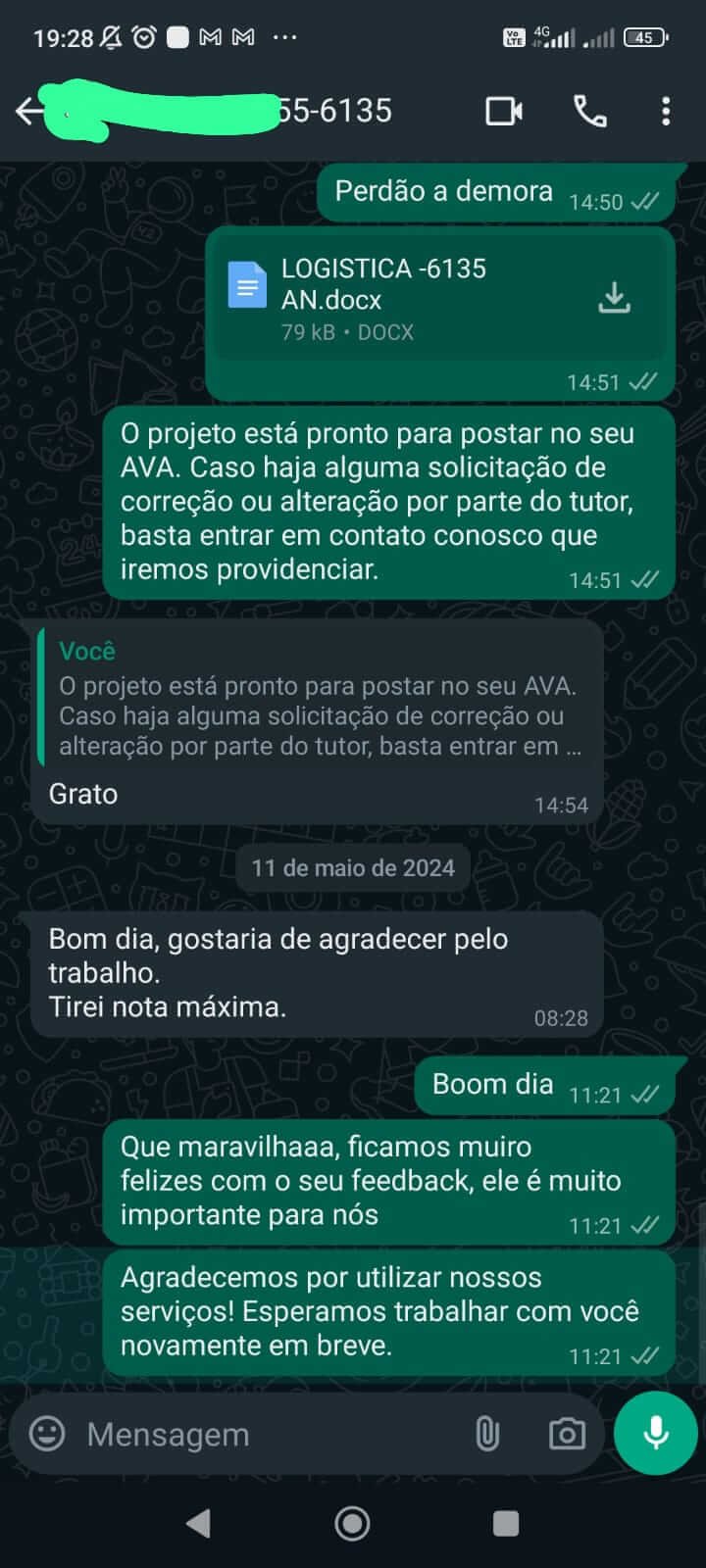
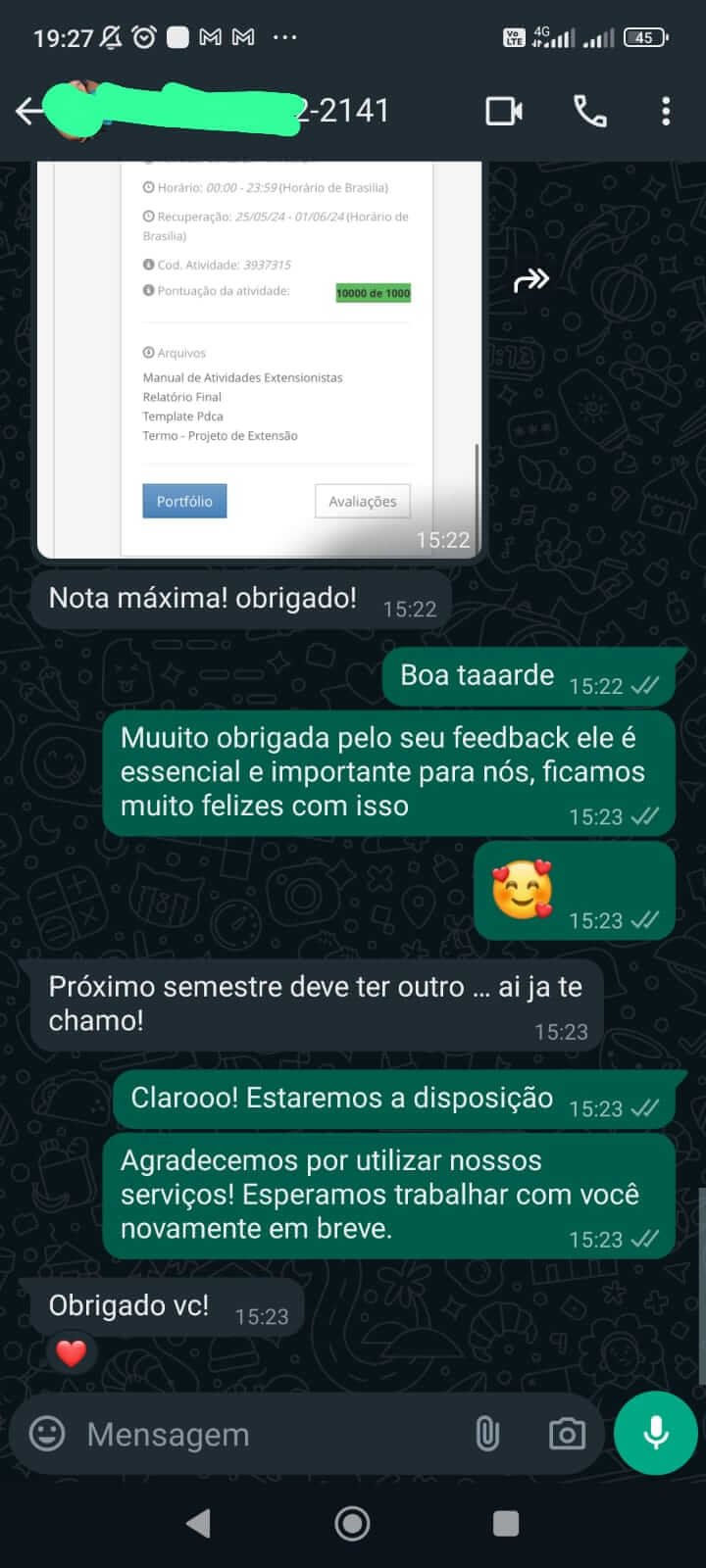
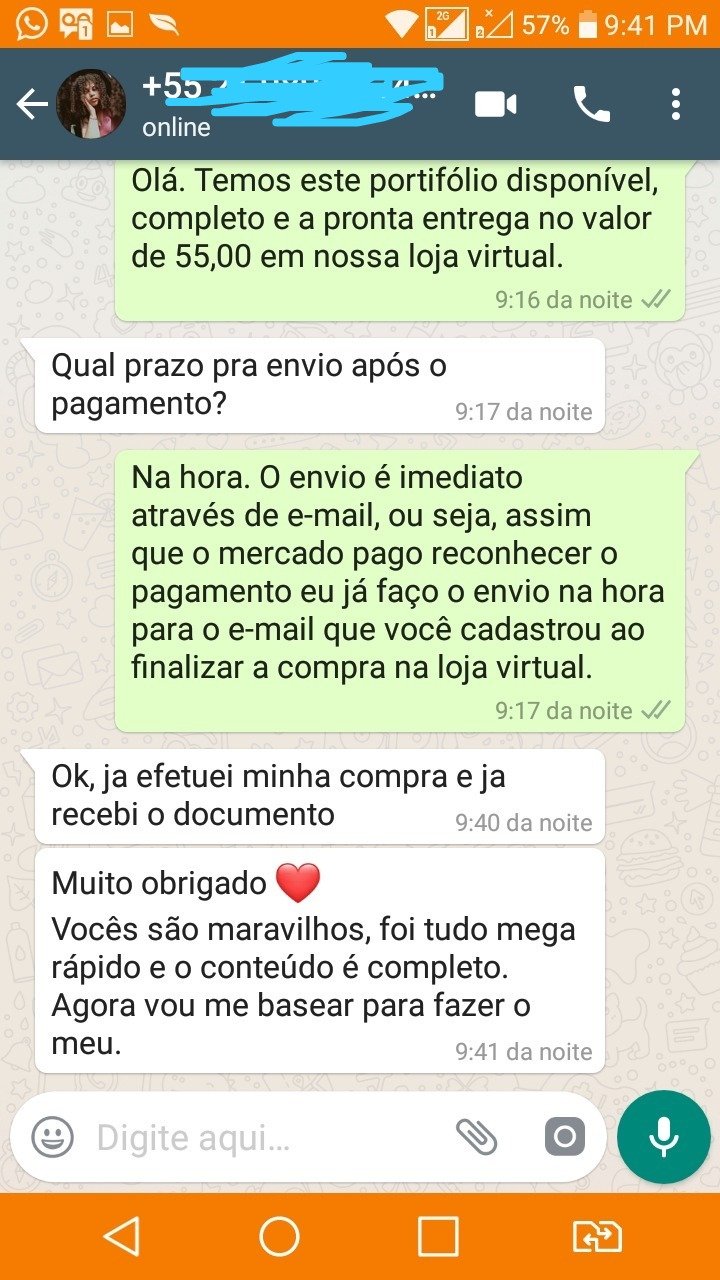
- Completo, resolvido, já formatado em Word.
- Entrega imediata, porém, recomenda-se realizar algumas modificações antes de anexar no portal.
Portfólio personalizado/exclusivo
- Completo, resolvido, já formatado em Word.
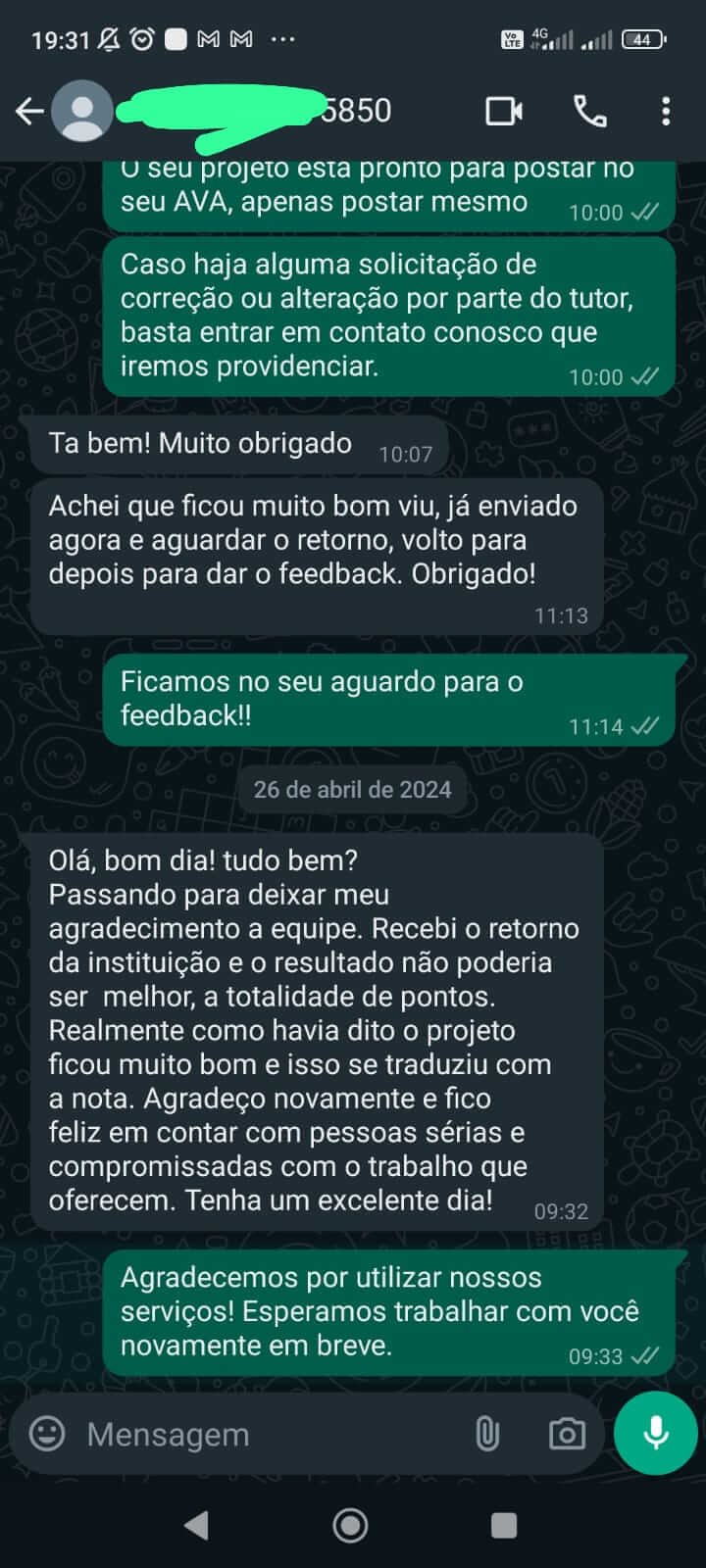
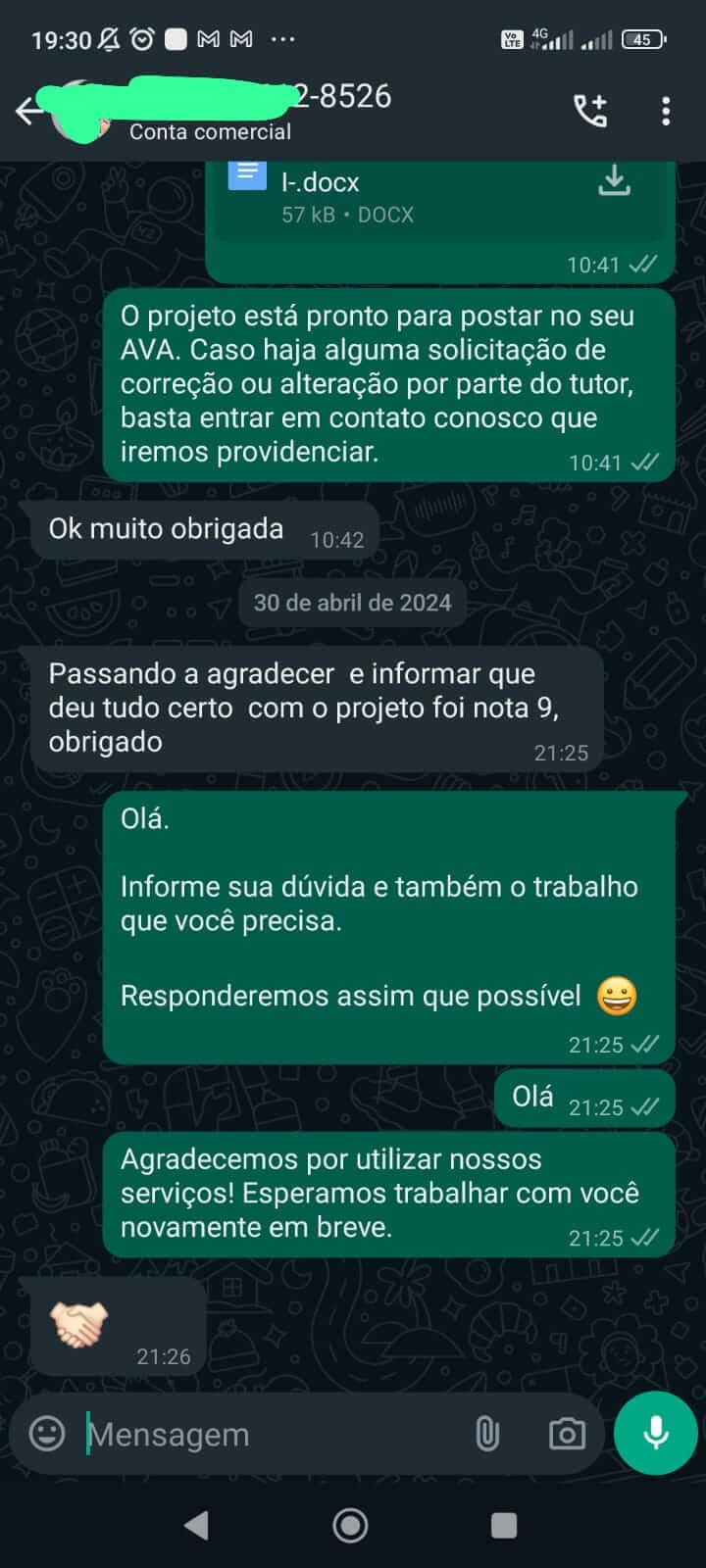
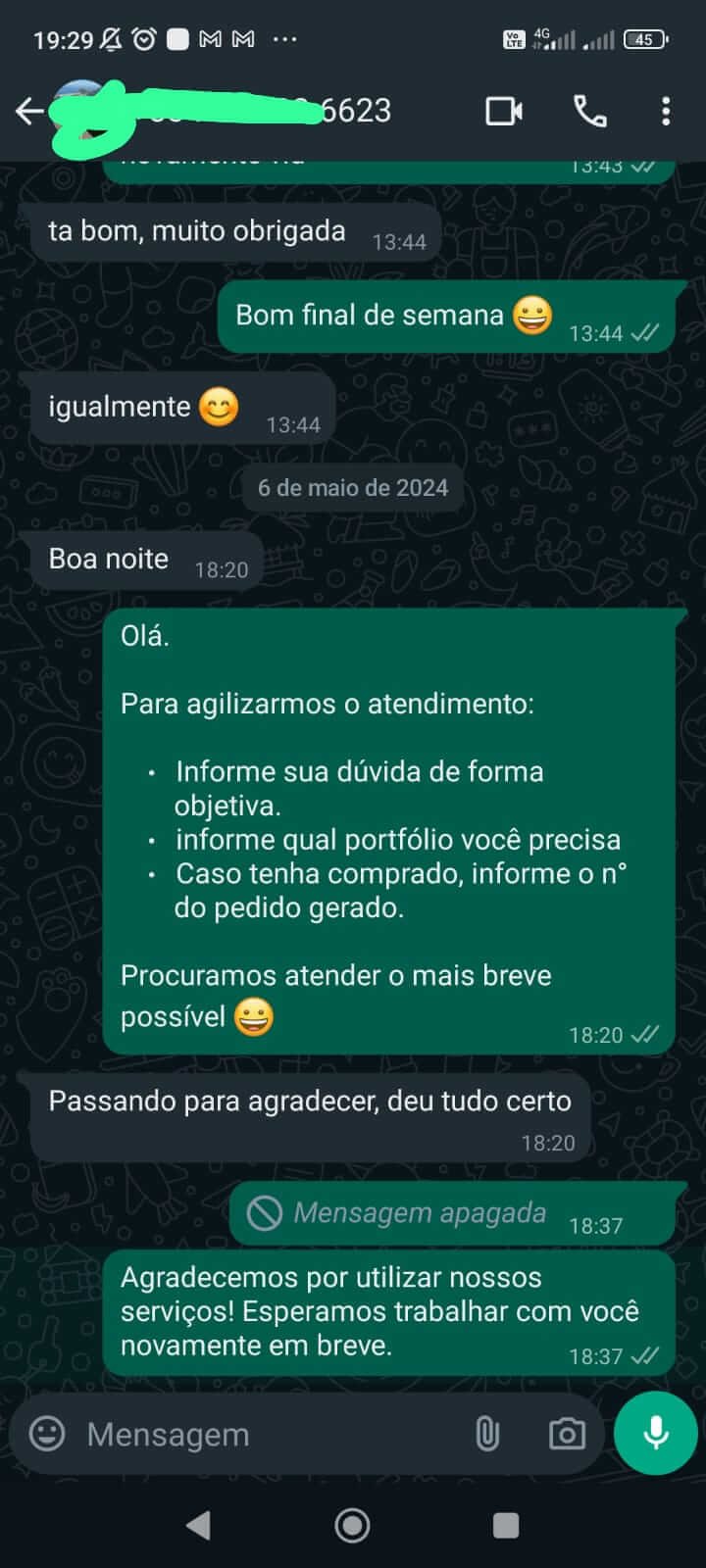
- Elaborado e personalizado exclusivo para você.
- Entregamos em até 5 dias.
- Pronto para apenas anexar direto no portal.
- Encomende via WhatsApp: Abrir conversa